
Cubic Yards to Tons Converter
Quickly estimate cubic yards, tons, and material cost for your Crushed Stone project. Adjust the inputs below and the result updates in real time.
Calculate Your Project
Estimate only. Add 10-15% for compaction and waste.

How this calculator works
Cubic yards = (area sq ft × depth in ÷ 12) ÷ 27
Tons = cubic yards × density × 27 ÷ 2000
Estimated price = tons × price per ton
Free Cubic Yards to Tons Converter - enter your area in square feet and depth in inches and get instant tons, cubic yards, and an estimated material cost.
Built for US contractors and DIY homeowners. Densities updated to reflect 2026 quarry stockpile measurements.
What the yards-to-tons converter computes
The yards-to-tons converter is a utility tool that transforms volume measurements (cubic yards) into weight measurements (tons) using the density of common aggregate materials. Aggregate yards quote pricing per ton, but homeowner project math is usually done in cubic yards (because volume is what you can visually estimate). The converter bridges the two.
The base formula is: tons = cubic yards x density (lb/yd^3) / 2000. For example, 5 cubic yards of #57 Crushed Stone at 2,700 lb per cubic yard converts to (5 x 2,700) / 2000 = 6.75 tons. The converter handles the multiplication and division and lets you pick the material so the right density gets used.
The reverse direction (tons to cubic yards) matters when a supplier quotes a truckload by weight and you need to know how much area it will cover at a finished depth. The same formula inverted: cubic yards = (tons x 2000) / density.
Density values for common materials
Density (weight per unit volume) is what makes the conversion specific to each material. Different aggregates have different densities depending on rock type, screen size, and moisture content. Approximate densities for the materials this site delivers: #57 Crushed Stone 2,700 lb/yd^3, Crusher Run 2,900, #4 Crushed Stone 2,800, 1.5" Crushed Gravel 2,750, Pea Gravel 2,800, River Rock 2,700, Decomposed Granite 3,000, Topsoil 2,200, Fill Dirt 2,200, Garden Soil 2,000, Compost 1,000, Mason Sand 2,700, Fill Sand 2,600, Playground Sand 2,600, Concrete Sand 2,700, Road Base 2,850, Class 5 Base 2,900, Paver Base 2,800, Stone Dust (Screenings) 2,800, Railroad Ballast 2,900, Drain Rock 2,700, Riprap Med 2,700, Asphalt Millings 2,400, Crushed Concrete 2,500, Hardwood Mulch 800, Red Mulch 800, Wood Chips 600.
The dramatic difference between mulch (800) and crushed stone (2,700) is why mulch and aggregate are quoted on different scales. A truckload of mulch is 25 cubic yards but only 10 tons; a truckload of #57 Crushed Stone is 8 cubic yards at 11 tons. The truck weight limit is what matters for delivery cost on aggregate; the truck volume is what limits mulch.
Why density varies and when to adjust
The published density numbers above are dry weights at typical screen sizes. Real-world density varies based on three factors: moisture, compaction state, and exact screen size from the quarry that produced the batch.
Moisture adds 5 to 15 percent to density. A cubic yard of Topsoil at 8 percent moisture content weighs 2,200 lb; the same volume saturated to 20 percent weighs 2,500 to 2,600 lb. Aggregate is less affected because most water passes through the void space rather than being absorbed, but Crusher Run with its fine fraction can absorb 3 to 5 percent moisture by weight.
Compaction increases apparent density. Loose dumped material weighs less per cubic yard than compacted material because of greater void space. Suppliers quote on loose-dumped density (which is what comes off the truck). The compacted final volume on your project is 10 to 15 percent less than the dumped volume.
Quarry screening variation produces density swings of 3 to 5 percent. A run of #57 Crushed Stone screened to the slightly larger end of the 3/4 to 1 inch range weighs slightly less than a run screened to the smaller end (more uniform large particles equals more void space). Most calculators average these variations; project math at the cubic-yard scale absorbs them without consequence.
Using the converter for project planning
For most homeowner projects, the converter is the bridge between hardware-store thinking ("how many bags do I need?") and supplier-yard thinking ("how many tons should I order?"). A bag of #57 Crushed Stone at a hardware store is 50 lb; 40 bags is one ton. For projects above 1 ton, ordering bulk delivery from an aggregate yard saves 50 to 70 percent on materials cost.
The math example: a 300 square foot patio at 3 inch finished depth of Pea Gravel at $55 per ton totals $215. The same volume in 50 lb bags at $5.50 each (the typical hardware store price) totals 156 bags at $858. The savings, $643, is what makes bulk delivery the obvious choice above 1 ton.
For projects under 0.5 tons, bagged from a hardware store is competitive on cost and easier to handle. The break-even is around 1 ton for most aggregates; below that, bagged wins on convenience.
Common conversion errors to watch
Two errors account for most yard-to-ton confusion. First, using mulch density on aggregate. Mulch is lighter than aggregate by a factor of about three, so a homeowner who ordered 3 yards of Topsoil and then converted with mulch density gets a wildly understated weight estimate. Always use the right density for the material; the converter handles this if you pick correctly.
Second, confusing cubic yards with cubic feet. There are 27 cubic feet in a cubic yard. A 300 square foot patio at 3 inches depth is 75 cubic feet (300 x 3/12), which is 2.78 cubic yards (75 / 27). Skipping the divide-by-27 step puts the order at 75 yards instead of 2.78 yards, an order of magnitude error that produces an absurd quote from the yard. Take the extra second to verify the unit you are ordering in.
For decimal yards (like 2.78), most suppliers round up to the nearest half-yard or full yard for delivery scheduling. A 2.78 yard need rounds to 3 yards delivered. The 0.22 yard overage typically goes into project overage for compaction loss anyway, so the rounding works out.
Bulk versus bagged break-even economics
The yards-to-tons conversion matters most when you are deciding whether to buy bagged aggregate from a hardware store or bulk-delivered aggregate from an aggregate yard. The break-even point depends on the material and the project size.
For #57 Crushed Stone in 50-pound bags at $5.50 each, the bagged cost works out to $220 per ton. The bulk-delivered price is $49 to $214 per ton. The break-even for delivery economics is around 1 ton total volume; below that, the delivery fee (typically $80 to $150) wipes out the bulk savings. Above 2 tons, bulk is the obvious winner.
For lightweight materials like Hardwood Mulch (2 cubic foot bags at $4.50 each = $0.81 per cubic foot, or $22 per cubic yard), the bagged price is roughly competitive with delivered bulk at $57 to $464 per yard. The break-even shifts to about 5 yards on mulch because of the lower per-unit-volume cost.
For Topsoil in bulk above 1 cubic yard volume; the savings AND quality both favor bulk delivery.
Always check the per-pound cost when comparing bagged versus bulk. Hardware-store labeling sometimes shows the bag price prominently but the per-pound or per-cubic-yard cost in fine print or not at all. A simple smartphone calculator and a $5.50 bag price divided by 50 pounds gives you the per-pound cost that translates directly against the per-ton bulk quote.
Materials this calculator covers
 Price by ZIP
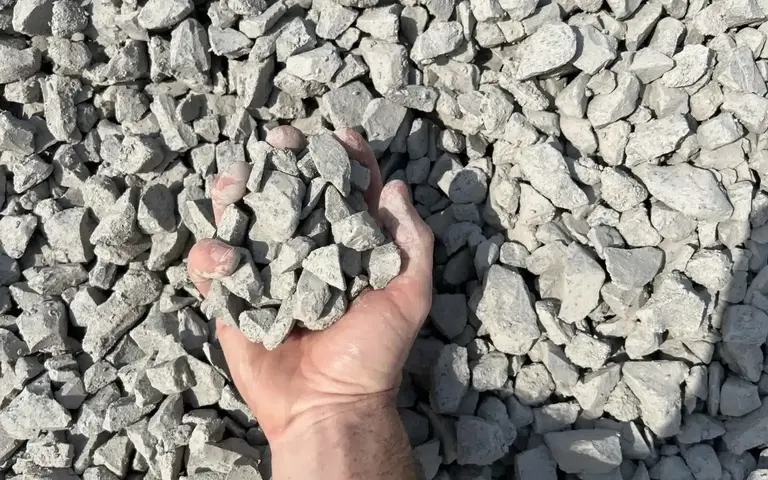
- Size3/4 - 1″
- Density2700 lb/yd³
- ColorGray
 Price by ZIP
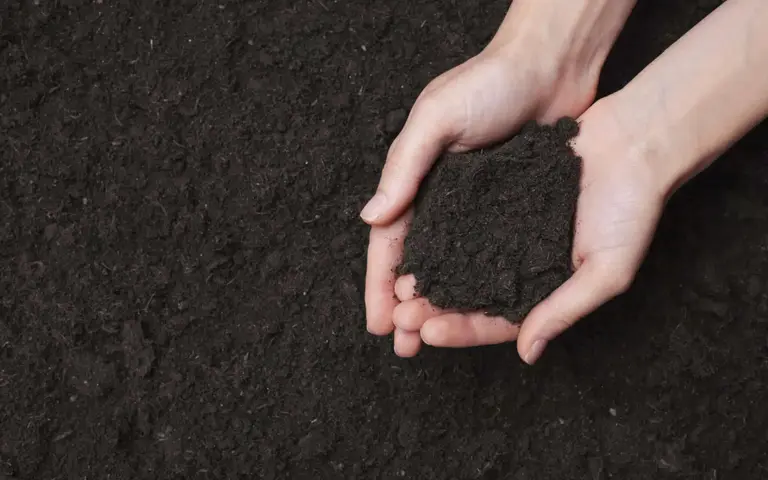
- SizeScreened, no size grade
- Density2200 lb/yd³
- ColorDark brown
 Price by ZIP
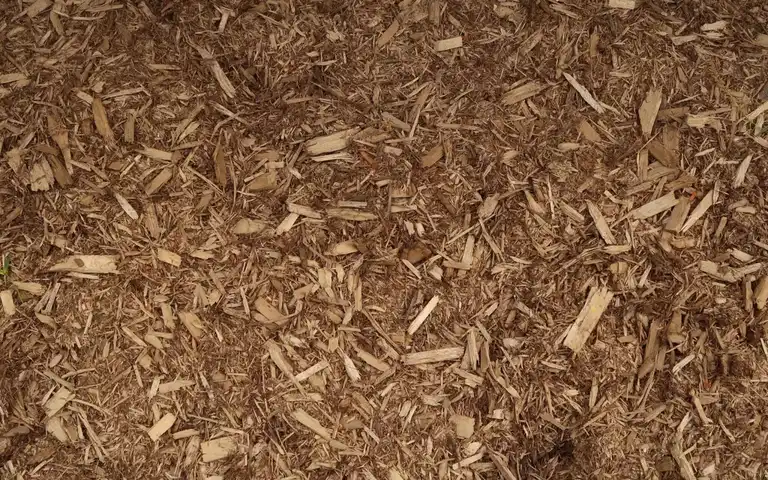
- Density800 lb/yd³
- ColorBrown, black, red
Other calculators
CALCULATORGravel Driveway CalculatorFree Gravel Driveway Calculator - enter your area in square feet and depth in inches and get instant tons, cubic yards, and an estimated material cost.Open calculator →CALCULATORGravel CalculatorUse this gravel calculator to convert length, width, and depth into cubic yards or tons for #57 crushed stone, pea gravel, and driveway gravel.Open calculator →CALCULATOR57 Stone CalculatorUse this 57 stone calculator to find how many tons of #57 crushed stone your project needs, with depth and density guidance included.Open calculator →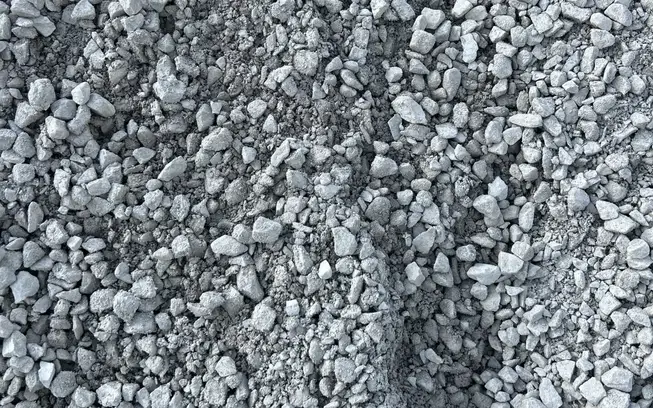 CALCULATORParking Lot Gravel CalculatorCommercial parking lot aggregate planner. Defaults to 6" depth of crusher run.Open calculator →
Related guides
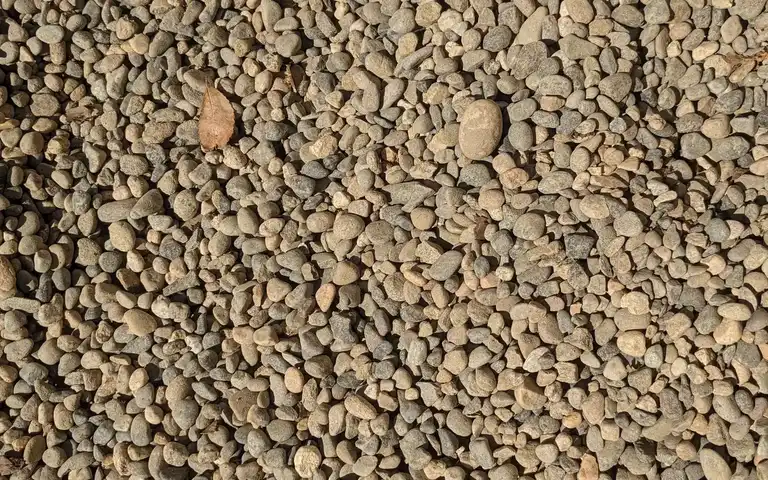 GUIDEGravel Size Chart: Pea Gravel to Crushed StoneA gravel size chart showing pea gravel, crushed stone and river rock diameters side by side, so you can match the right size to your project.Read guide →
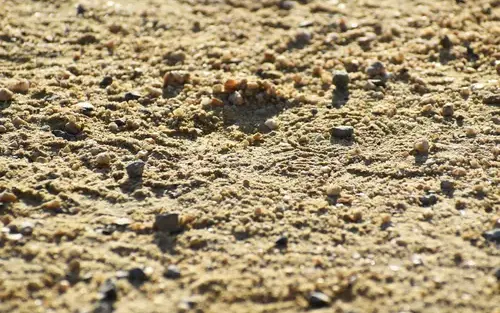 GUIDEThe Different Types of Gravel and How to ChooseA plain-language guide to the main types of gravel, covering pea gravel, crushed stone, river rock and decomposed granite.Read guide →
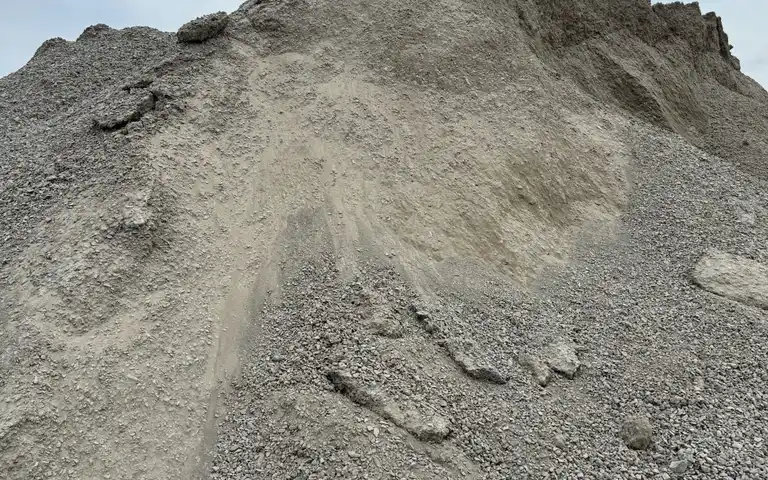 GUIDEWhat Are Screenings? A Guide to Crushed Stone FinesScreenings are fine crushed stone used for paver bases, joint fill and walkways. See what screenings are, common types, and mistakes to avoid.Read guide →
 GUIDEWhat Size Crushed Stone Goes Under a Concrete SlabMost slabs need 4 to 6 inches of compacted crushed stone underneath. What size crushed stone under a concrete slab needs, and why it matters.Read guide →
Frequently Asked Questions
How does this calculator work?
Enter your area in square feet and depth in inches. We convert to cubic yards, multiply by density to get weight, and divide by 2,000 to get tons.
What if I don't know the depth?
Driveways: 4 inches. Patios: 2-3 inches. Drainage trenches: 6-12 inches. Decorative beds: 2 inches over fabric.
Why are tons and yards different?
Cubic yards measure volume; tons measure weight. Density (lbs per cubic foot) is the conversion factor - heavier rock means more tons per yard.
How accurate is the estimate?
Within 10% for typical residential jobs. Always order a little extra (5-10%) to cover compaction, spillage, and edge waste.
Does the price include delivery?
The calculator shows material cost only. Delivery fees vary by distance and load size - get a real quote for a delivered total.
Can I use this for mulch or topsoil?
Use the dedicated mulch or topsoil calculator - densities differ from gravel, and the math changes.
What's the standard truck load size?
Tandem dump trucks haul about 15 tons or 10 cubic yards. Smaller 5-yard trucks are available for tight access.
Should I round up the order?
Yes - round up to the nearest half-ton or full yard. The price-per-ton drops on larger orders.