
Walkway Gravel in Bend, OR: Stone Choices and Depth
Material picks, pricing, and pro tips for walkway gravel projects in Bend, OR.
Picking a Stone for a Bend Walkway
A Bend walkway has three stone options on this page, and the right pick depends on how the path will be used.
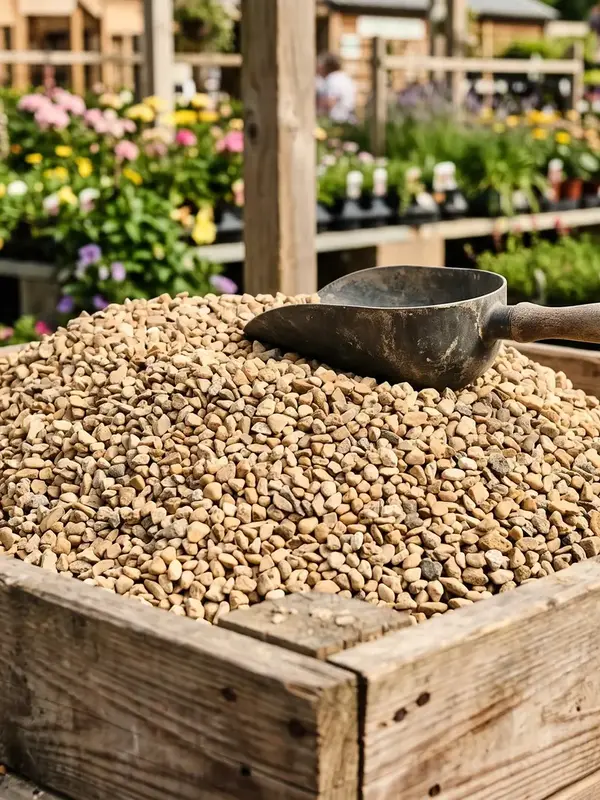
- Pea Gravel: smooth and rounded, the easiest surface to walk on barefoot near a patio or hot tub.
- Decomposed Granite: compacts into a tight, sandy surface that reads as a formal garden path rather than loose stone.
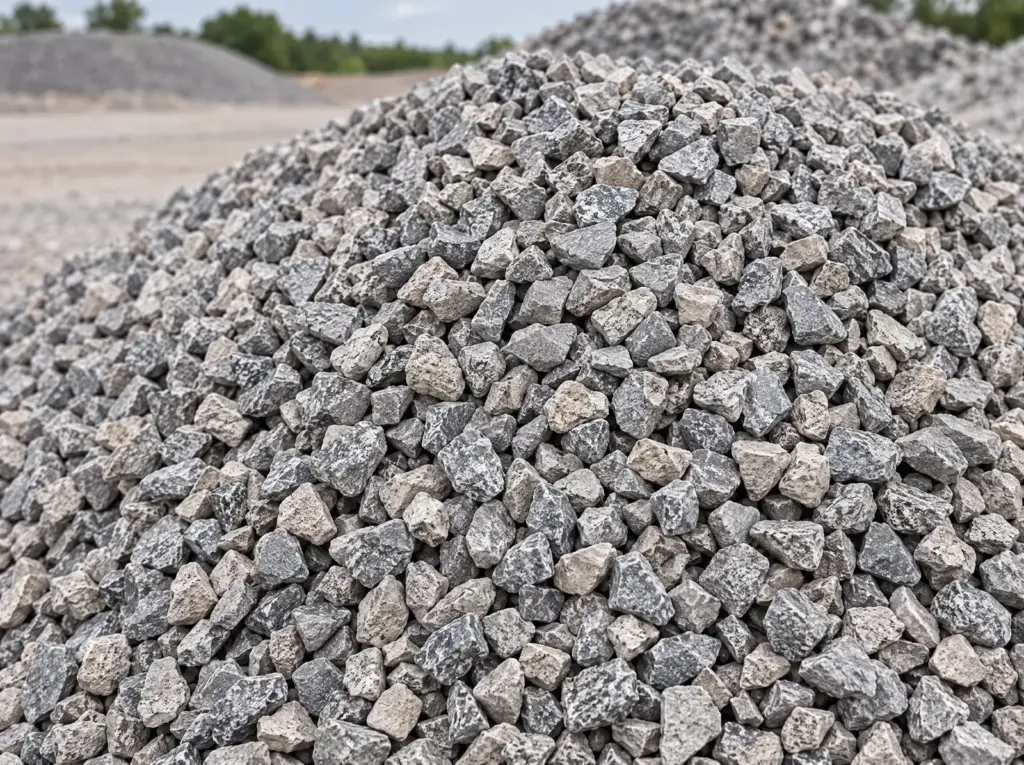
- #89 Crushed Stone: angular and locks together once tamped, suited to a path that climbs or crosses uneven high desert ground.
Each one is priced by the ton rather than the cubic yard.
What a Bend Walkway Project Involves
Central Oregon's dry ground and fast draining volcanic soil make gravel an easy match for a walkway gravel project, since there is little standing water to fight during installation. A path works for a route between a deck and a fire pit, a connector to a detached shop, or a border that separates lawn from a xeriscaped bed. Loose stone flexes with the ground instead of cracking the way a poured slab can during a hard freeze. Most Bend homeowners build paths 3 to 4 feet wide, wide enough for two people to pass without stepping into the landscaping on either side.
How Bend's Climate Shapes the Build
Bend sits in a high desert climate with cold winters and dry, sunny summers, and that swing between hard freezes and heat affects how a walkway settles. Ground that freezes and thaws repeatedly through the winter can heave a shallow gravel layer, so a full depth base matters more here than in a milder climate. Low humidity and sandy volcanic soil mean the path drains fast and rarely holds puddles, but it also means loose stone can dry out and shift more than it would in a wetter region. Edging along both sides keeps material from scattering across the yard when wind and freeze thaw cycles work against a loose layer. Landscape fabric under the base still helps, mainly to stop weeds rather than to fight moisture the way it would in a wetter climate.
Working Out Depth and Volume
Plan for a base layer around 2 inches deep, then finish with 2 more inches of your chosen stone, for roughly 4 inches total. That depth holds up to Bend's freeze thaw cycles better than a thin single layer would. The math behind it is simple: length in feet times width in feet times depth in inches, all divided by 324, gives you cubic yards to work from. The walkway calculator handles that conversion automatically and turns your measurements straight into tons for pea gravel, decomposed granite or #89 crushed stone. A short path between a patio and a shed usually lands under 3 tons, while a longer route across a larger lot runs higher.
Ordering and Delivery
Orders under a few tons generally arrive within a couple of business days, and larger volumes can qualify for same day or next day service. Fifteen tons is the line where the delivery charge disappears, and a walkway paired with a driveway or patio refresh can cross it on one order. Run your measurements through the calculator first so the tons ordered match what the path actually needs, then schedule delivery once you have a confirmed figure.
About Walkway Gravel projects
A walkway gravel project lays loose stone over a compacted base to create a path that drains on its own and holds up to foot traffic without cracking. It costs less than a poured surface, can be widened or rerouted later, and works well on ground that freezes and thaws through the winter.
Recommended materials for walkway gravel
 Price by ZIP
- Size1/4 - 3/8″
- Density2800 lb/yd³
- ColorTan / mixed
 Price by ZIP
- Size0 - 1/4″
- Density3000 lb/yd³
- ColorTan, gold
 Price by ZIP
- Size3/8″
- Density2600 lb/yd³
- ColorGray
How a walkway gravel project goes
- Mark out and measure the routeLay out the path with stakes and string, keeping the width consistent from end to end. Measure the full length and width so you have real numbers to run through the calculator before you order stone.
- Dig out the subgradeRemove sod and soil to about 4 inches deep across the full path width. Level the exposed ground and compact it so the layers above do not settle unevenly once winter freeze thaw cycles begin.
- Install edging on both sidesSet metal, plastic or paver edging before adding any stone so the base layer has something to butt against. Edging keeps loose material from scattering across the yard in Bend's wind and dry summer conditions.
- Compact the base layerSpread about 2 inches of base stone and compact it thoroughly with a plate compactor. A dense, even base is what keeps the finished path from heaving during winter freeze thaw cycles.
- Finish with your chosen stoneAdd a 2 inch layer of pea gravel, decomposed granite or #89 crushed stone over the compacted base. Rake it smooth, tamp lightly, and give the path a few days to settle before regular use.
Estimate your material
Work out your material
A planning figure, not a guarantee. Order roughly a tenth extra to cover settling and uneven ground.
Walkway gravel in Bend's climate
Picking the right material for a walkway gravel project in Bend comes down to how the climate treats it. Wet winters and dry summers. Stone with strong drainage prevents winter saturation under traffic. For walkway gravel work specifically, that means choosing material that handles local moisture and traffic loads without re-dressing every season.
The small market profile of Bend also shapes how a project runs. Most jobs are residential, with the occasional school or municipal project. Truck access is usually wide and turnarounds run fast.
Where we deliver walkway gravel material in Bend
Our delivery footprint around Bend covers the core city plus a typical 35-mile radius. Recent walkway gravel drops have included:
- in-town craftsman homes in and around Bend
- townhouse rows in newer developments in and around Bend
- light industrial yards near the rail line in and around Bend
- rural acreage outside the limits in and around Bend
If your address is outside that radius, send your ZIP through the contact form and we will confirm coverage within an hour.
Pricing for walkway gravel in Bend
Here is what the recommended walkway gravel materials are running in Bend right now. Full-truck orders (16 tons or more) typically save 15 to 20 percent off these per-ton rates.
| Material | Price from |
|---|---|
| Pea Gravel Delivery in Bend, Oregon | Quote on request |
| Decomposed Granite Delivery in Bend, Oregon | Quote on request |
| #89 Crushed Stone Delivery in Bend, Oregon | Quote on request |
Browse more
Recommended materials in Bend
Same project in nearby cities
Tools to plan your project
Related guides
GUIDEThe Different Types of Gravel and How to ChooseA plain-language guide to the main types of gravel, covering pea gravel, crushed stone, river rock and decomposed granite.Read guide → GUIDEWhat Are Screenings? A Guide to Crushed Stone FinesScreenings are fine crushed stone used for paver bases, joint fill and walkways. See what screenings are, common types, and mistakes to avoid.Read guide →
 GUIDEWhat to Put Under River Rock for Landscaping BedsHere is what to put under river rock landscaping: a compacted base where needed, then landscape fabric, then rock, to stop weeds and settling.Read guide →GUIDEHow to Clean River Rock and Restore Its ColorLearn how to clean river rock landscaping with rinsing, soap and vinegar methods, plus common mistakes to avoid for a brighter, longer lasting rock bed.Read guide →
Frequently Asked Questions
How much gravel does a Bend walkway need?
It depends on the path's length, width and depth, but most short paths between a patio and a shed use a few tons total once the base and finish layers are combined. The walkway calculator converts your measurements into an exact tons figure for pea gravel, decomposed granite or #89 crushed stone, so you can order the right amount the first time.
Which gravel size is easiest to walk on?
Pea gravel is the smoothest, most rounded option and the one most homeowners pick for a path they will walk barefoot. Decomposed granite compacts into a firmer, sandier surface. #89 crushed stone is angular and grips better on a slope, though it feels rougher underfoot than the other two options.
Does Bend's winter freeze affect a gravel walkway?
Yes. Repeated freezing and thawing through a Central Oregon winter can heave a shallow gravel layer over a season or two. A full depth base, usually around 2 inches of compacted stone under the finish layer, resists that movement far better than skipping straight to a thin top layer of loose gravel.
Do I need landscape fabric in Bend's sandy soil?
Fabric under the base mainly keeps weeds from pushing up through the gravel, since Bend's volcanic soil already drains well on its own. It also stops the base stone from working down into loose sandy ground over time, which keeps the two layers doing separate jobs instead of mixing together.
How deep should a walkway's gravel layer be?
Aim for about 2 inches of compacted base stone topped with another 2 inches of finish material, for roughly 4 inches total. That combination stands up to freeze thaw cycles better than a single thin layer and keeps the surface from rutting under regular foot traffic.
Can I build a gravel walkway myself in a weekend?
Most homeowners can dig, edge and fill a short path in a weekend using a rake, a hand tamper and edging material. Renting a plate compactor for a few hours makes the base noticeably more solid than hand tamping, which matters more in a climate with hard winter freezes.
How fast does gravel arrive once I order in Bend?
Smaller orders typically show up within a couple of business days, and larger volumes can move to same day or next day service. Delivery is free once an order reaches 15 tons, a mark a larger walkway or a combined driveway project can reach on a single order.
Which material handles a sloped Bend yard best?
#89 crushed stone is the strongest choice for a path that climbs or crosses uneven ground, since its angular chips lock together once compacted. Pea gravel is more prone to rolling on a grade unless it is held tightly with edging, and decomposed granite sits in between the two once it has compacted fully.