
Compost Delivery in Orlando, FL
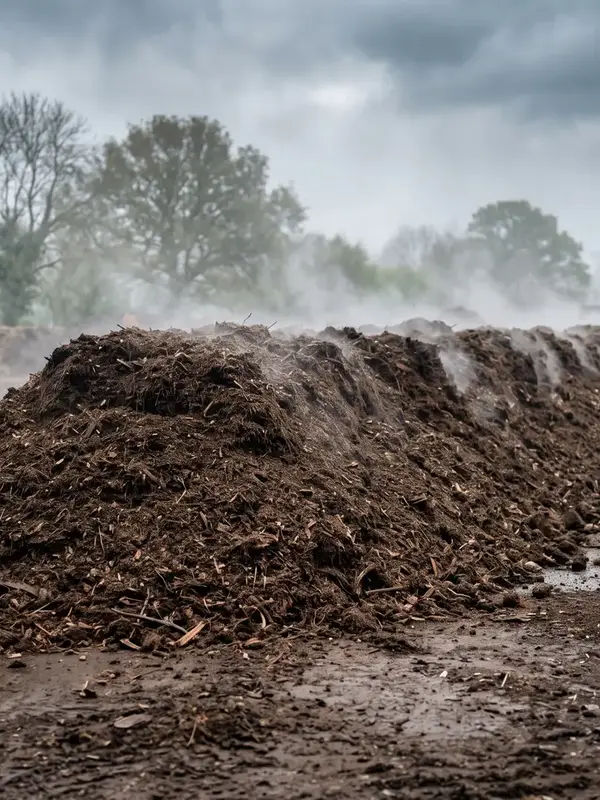
Bulk compost delivered in Orlando, FL. Dark brown color.
Starting from $466.30 delivered to Orlando for 2 yards, our minimum order
Central Florida gardeners spend a lot of effort fighting pale, sandy ground, and a bulk load of compost is the fastest way to change that. Compost delivery in Orlando, FL means a loose pile of dark material dropped at your address, ready to spread across beds, shrub borders or a tired lawn.
Why Orlando yards respond to compost
Much of the ground around the city is sand that dries quickly between summer storms. Organic matter acts like a sponge in that kind of soil. Worked into the top layer, compost holds moisture near the roots, gives fertilizer something to cling to and encourages the worms and microbes that keep a bed productive. It also helps beds shed less topsoil when the afternoon thunderstorms arrive.
Common projects
- New landscape beds: blend compost into the planting zone before shrubs and perennials go in.
- Vegetable plots: dig it into the row or bed once or twice a year.
- Citrus and fruit trees: spread a ring around the drip line, keeping it off the trunk.
- Lawn renovation: a thin topdressing helps patchy turf recover.
If a bed needs more depth as well as better soil, combine compost with Premium Screened Topsoil, which is sold by the ton. Order each on its own page so the quantities stay straight.
Compost delivery in Orlando, FL: how the order works
Compost is sold by the cubic yard here, and the smallest order is 2 cubic yards. Type your ZIP into the product page and the delivered price is calculated live for that address. Ordering more brings the rate per cubic yard down, which is worth remembering if the same load could cover a neighbor's beds too. How drop-offs are handled across the metro is described on the page for delivery in Orlando.
Other Florida compost pages are gathered under Compost in Florida.
Sizing your order
Take the length and width of the area in feet and the depth in inches you want, multiply them all together and divide by 324 to get cubic yards. A strip 30 feet by 12 feet topped with 2 inches of compost needs a little over 2 cubic yards. Digging it in generally calls for 2 to 4 inches spread first; mulching around established plants needs less.
Several beds with different depths add up quickly, so the calculator is useful for keeping the totals straight. Measure each section separately, round the total up and you will not come up short halfway through the job.
Storing and moving the pile
Central Florida rain can arrive at four in the afternoon with no warning, so cover the pile with a tarp the day it lands. A tarp keeps nutrients from leaching into the driveway and stops the compost from turning to sludge. Choose a level, hard-packed place for the drop, clear of low branches, overhead lines and drains. Then move it bed by bed with a wheelbarrow and a flat shovel, working from the back of the yard forward.
Mixing with hardscape materials
Garden projects often involve a path or a drainage strip next to the planting. Pea Gravel suits walkways and is sold by the ton. Our other Orlando materials, River Rock and #57 Crushed Stone, can be reviewed on their own pages. Kissimmee is 17 miles from Orlando, for anyone working south of the city.
Timing around the seasons
Orlando has a long growing season, so compost can go down in almost any month. Many gardeners prefer late winter, when beds are being prepped for spring planting and the ground is drier. In the rainy summer months, apply thinner layers and avoid sloped areas, where a downpour can carry loose material toward the street. Fall is a good time to refresh vegetable beds before the cooler crops go in.
Blending it into native sand
For planting beds in sandy ground, a mix of about one part compost to three parts existing soil is a sound starting point. Turn it over with a garden fork to a depth of 6 to 8 inches so roots can follow the amended zone down. Compost settles as it continues to break down, so expect the bed to sink a little after the first few waterings.
About Compost
Compost is screened, fully broken-down organic material with a dark brown color and a mild, earthy smell. Gardeners use it as a soil amendment rather than a replacement for soil: it adds organic matter, feeds plants gradually and helps loose ground hold on to water.
For Orlando buyers, compost is measured in cubic yards, and a yard of it tips the scale at about 1,000 lb. Look for a damp, crumbly texture that holds together when squeezed and falls apart when poked. Small flecks of woody fiber are normal. Appearance can shift slightly between loads because the feedstock changes.
Your delivered price is calculated live for your ZIP on the product page. Larger orders earn a lower rate per cubic yard, and the minimum is 2 cubic yards.
What Compost costs in Orlando
Local Orlando yards quote compost by the ton; the delivered number includes fuel, the truck, and the haul. Send your ZIP and load size and we will send back a same-hour quote with the truck rate and the per-ton figure spelled out. A ton of this material spreads across about 216 sq ft when laid 3 inches deep, useful when you are sizing a patio base or a walkway run.
How crews use Compost in Orlando
In and around Orlando, compost shows up most often on two project types. The most common deployment is planting bed gravel, often in tight urban lots and infill builds in two to three inch lifts. At roughly 320,742 people, the Orlando order mix leans toward 3 to 8 ton residential drops with the occasional 16 ton job for a contractor.
Delivery day in Orlando
A typical Orlando drop is dispatched from the closest yard with a two hour window and a heads-up call once the truck is loaded. Tandem trucks want a 12 ft lane in and out; tri-axles need 14 ft, and both want firm ground at the tipping spot so the load releases cleanly. Standard lead time on this lane is Mon-Sat, with same-day windows held open for orders that hit the desk before 11 AM and clear payment.
Related materials we deliver in Orlando



Estimate how much you need
Work out your material
A planning figure, not a guarantee. Order roughly a tenth extra to cover settling and uneven ground.
Browse more
Available in nearby cities
Plan your project
Related guides
 GUIDEHow to Clean River Rock and Restore Its ColorLearn how to clean river rock landscaping with rinsing, soap and vinegar methods, plus common mistakes to avoid for a brighter, longer lasting rock bed.Read guide →
 GUIDEHow to Lay a Gravel Driveway: Step-by-Step GuidePractical, field-tested guide: how to lay gravel driveway. Pulled from real US installer notes and 2026 supplier price data.Read guide →
 GUIDEDoes Gravel Stop Weeds? Honest Answer + What WorksPractical, field-tested guide: does gravel stop weeds. Pulled from real US installer notes and 2026 supplier price data.Read guide →
 GUIDEHow Much Gravel Do I Need? Quick Sizing GuidePractical, field-tested guide: how much gravel do i need. Pulled from real US installer notes and 2026 supplier price data.Read guide →
Frequently Asked Questions
What does good compost look like?
It should be dark, crumbly and damp without being soggy, with a fresh forest-floor smell. Sour or ammonia odors point to material that has not finished breaking down. Small bits of bark or wood fiber are normal, but large chunks of undecomposed plant matter are a warning sign.
Is compost the same as topsoil?
No. Compost is concentrated organic matter used to improve soil, while topsoil is a growing medium that fills and levels. Most projects work best when they use both, with compost blended into the upper layer of soil rather than spread alone as a thick base.
Can compost burn my plants?
Mature compost rarely burns plants, but very thick layers piled against stems can hold moisture and cause rot. Keep a gap around trunks and crowns, and work it in rather than stacking it. Seedlings are happiest in a blend that is mostly soil.
How deep should I spread it on a lawn?
Aim for about half an inch at most. You want the grass blades poking through. Rake it flat so it falls between the blades, then water it in. Thicker layers can smother turf, so repeat the light pass once or twice a year.
Will it attract pests?
Finished compost attracts few pests, though a loose pile may bring flies for a day or two. Spread it promptly and keep it away from the house foundation. Kitchen scraps are the real problem, so avoid adding any to the pile.
How long will two cubic yards last?
A pair of cubic yards covers roughly 200 square feet at a depth of 3 inches, which is a typical vegetable garden or a medium landscape bed. Annual top-ups use much less, so the same quantity can serve several seasons for lawn work.
Do I need to be home for the delivery?
Plan to be reachable so the pile ends up where you want it. Mark the drop spot clearly with a cone, chalk or a tarp laid flat, and make sure the path in from the street is clear. Ask about specifics when you check out.
Why does the price depend on my ZIP?
Delivered cost reflects where the material has to travel, so the live engine calculates it for your location instead of printing one number for everyone. Two addresses in the same metro can therefore see different totals for the same load, which is why the figure appears only after your ZIP is entered.