
Bulk Fill Dirt Delivery in Sandy, UT by the Ton
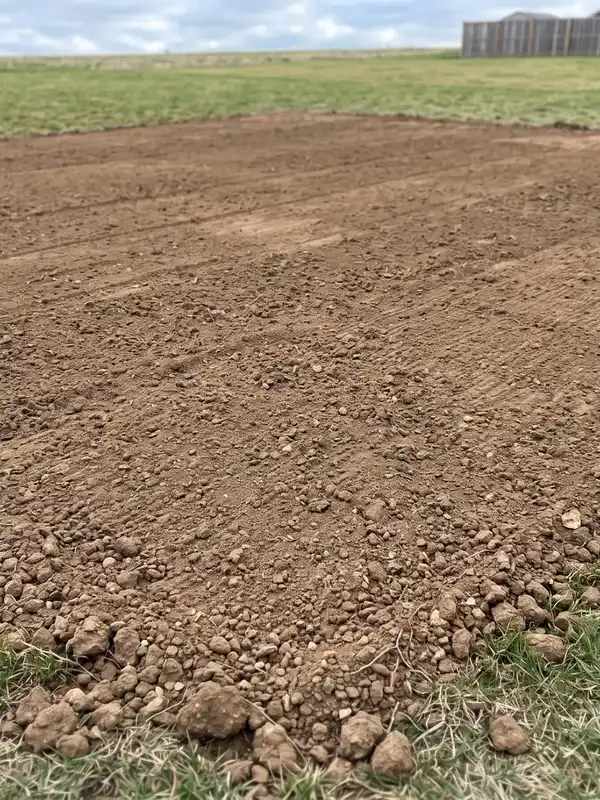
Bulk fill dirt delivered in Sandy, UT. Brown color.
Starting from $461.34 delivered to Sandy for 2 tons, our minimum order
Sandy sits just south of Salt Lake City, and a yard that slopes toward the street or a side strip that stays wet needs more earth than a shovel can move. Fill dirt delivery in Sandy, UT, brings that bulk material in one drop so you can rebuild the grade. The sections below cover typical jobs, the drop, sizing, pricing for your ZIP, and how to place the order.
Common fill dirt jobs in Sandy
Fill dirt works best where height is the goal. Typical Sandy jobs include bringing a sunken corner up to match the lawn, building a level pad for a shed or a playset, and filling a shallow strip along a fence line where water collects. Contractors also use it to bring a lot to finished grade before topsoil and sod go down.
Backfill is another common reason. A new fence line, a short retaining edge, or a utility cut all leave soil that has to be rebuilt in layers and packed as you go. Stacking that material against a wall in one dump invites the wall to lean, so plan the placement in small steps from the bottom up.
Plan the finish before the first load arrives. If the top layer will take grass, flowers, or shrubs, fill dirt is only the base, and Premium Screened Topsoil goes over it. Once the beds are shaped, a layer of Mulch keeps moisture in and weeds down.
How much fill dirt a Sandy yard needs
Use length in feet times width in feet times depth in inches, then divide by 324 to get cubic yards. A cubic yard of this material runs about 2,200 pounds, so a 2,000 pound ton covers a little under one yard. Build in roughly a tenth more than the math says, since the fill shrinks as it is watered and walked on. A 25 by 15 foot strip at 4 inches deep comes to about 4.6 cubic yards, or roughly 5.1 tons before that extra allowance.
Most yards are not clean rectangles. Split an irregular area into a few simple shapes, run the formula on each piece, and add the totals together. Sketching the lot on graph paper before you order takes a few minutes and avoids guessing at the corners.
The calculator carries a gravel driveway label, but converting yards to tons works the same way for fill.
Where to drop a fill dirt load in Sandy
Choose a drop zone the truck can reach without backing across a lawn you care about. Look for a flat, firm surface, and keep the pile off the house side so runoff does not carry loose material back toward the foundation. Clear fences, trampoline frames, and parked cars from the route. Avoid placing fill on frozen ground, because it will not compact and will settle badly once the thaw comes.
Pricing fill dirt by the ton in Sandy
This material is priced by the ton, and the figure you see is the delivered price for the ZIP you enter. The calculation runs live, so two Sandy addresses in different ZIP codes can show different totals. Bigger orders bring the rate per ton down, so compare a few tonnage levels before you commit. Orders start at 2 tons.
Draper is about 5 miles from Sandy, Murray about 6, West Jordan about 7, and South Jordan and Taylorsville about 8 each.
Large regrades can be staged. A project can also be split into two smaller drops, which lets you finish the first half before the second arrives. Weigh the lower rate against how much work your crew, or you, can finish in one stretch.
Ordering fill dirt for a Sandy project
Enter your tonnage and Sandy ZIP to see the delivered price, then confirm the order. City details and drop information are on the delivery in Sandy page. For the full statewide picture of this material, see the Fill Dirt in Utah hub.
About Fill Dirt
About this material
Fill dirt is bulk earth used to raise and level ground. It is brown, has little organic content, and packs into a firm base when it goes down in thin layers and is lightly watered. Around Sandy it is most often used to rebuild a grade that has sunk or washed out.
Density is what sets the order size. A cubic yard of fill dirt weighs about 2,200 pounds, so a ton of material comes to a little less than one yard. Because the ton is the sales unit for this product, you can compare a small top-up with a full regrade on a single scale.
Some lumps and small stones should be expected. Fill dirt is not screened to the fine texture of topsoil layer, which is a separate product.
What Fill Dirt costs in Sandy
Local Sandy yards quote fill dirt by the ton; the delivered number includes fuel, the truck, and the haul. Send your ZIP and load size and we will send back a same-hour quote with the truck rate and the per-ton figure spelled out. A ton of this material spreads across about 98 sq ft when laid 3 inches deep, useful when you are sizing a patio base or a walkway run.
How crews use Fill Dirt in Sandy
In and around Sandy, fill dirt shows up most often on two project types. The most common deployment is erosion control, often in tight urban lots and infill builds in two to three inch lifts. Second on the list is driveway gravel, which we see in dense neighborhoods where curb access is short on partial-truck deliveries. At roughly 92,840 people, the Sandy order mix leans toward 3 to 8 ton residential drops with the occasional 16 ton job for a contractor.
Delivery day in Sandy
A typical Sandy drop is dispatched from the closest yard with a two hour window and a heads-up call once the truck is loaded. Tandem trucks want a 12 ft lane in and out; tri-axles need 14 ft, and both want firm ground at the tipping spot so the load releases cleanly. Standard lead time on this lane is Mon-Sat, with same-day windows held open for orders that hit the desk before 11 AM and clear payment.
Related materials we deliver in Sandy
 Price by ZIP
- SizeScreened, no size grade
- Density2200 lb/yd³
- ColorDark brown
 Price by ZIP
- Density2000 lb/yd³
- ColorDark brown
 Price by ZIP
- Density1000 lb/yd³
- ColorDark brown
Estimate how much you need
Work out your material
A planning figure, not a guarantee. Order roughly a tenth extra to cover settling and uneven ground.
Browse more
Available in nearby cities
Plan your project
Related guides
 GUIDEWhat Is Crushed Stone? Sizes, Uses and Buying BasicsCrushed stone is quarried rock crushed and screened into angular pieces sold by the ton. Here is what it is, how it is graded, and where to use it.Read guide →
 GUIDEHow Much Does Gravel Cost? A Practical Pricing GuideHow much does gravel cost and why does it vary? See the real factors behind ton pricing, delivery, and order size before you buy.Read guide →GUIDEGravel Size Chart: Pea Gravel to Crushed StoneA gravel size chart showing pea gravel, crushed stone and river rock diameters side by side, so you can match the right size to your project.Read guide →
 GUIDEThe Different Types of Gravel and How to ChooseA plain-language guide to the main types of gravel, covering pea gravel, crushed stone, river rock and decomposed granite.Read guide →
Frequently Asked Questions
How is fill dirt different from road base?
Road base is crushed rock and stone graded to lock together under pavement. Fill dirt is earth without that crushed stone structure, so it works for raising a grade but not for a load-bearing driveway or parking pad. For a driveway, a gravel base is the usual choice, and fill is what goes beneath that base when the ground sits low.
What if the fill gets rained on before I spread it?
A little rain is fine. Wet fill still spreads, but it clumps and gets heavy to move. Spread it as soon as possible and let the surface dry a bit before compacting. Avoid tamping wet material in deep layers, because trapped water leaves the fill spongy and prone to sinking.
Can fill dirt sit against a wood fence or a deck post?
Keep fill from pressing directly on wood. Earth piled against a fence or post holds moisture and speeds up rot. Leave a gap, or keep the fill lower than the wood line, and check the base of the post after the first season of watering. A small gap is far cheaper than replacing a rotted post.
Can I dig fence post holes in newly placed fill?
Digging can be harder than expected, and holes may cave in before concrete sets. Wait until the fill has settled and been watered, then dig. Go a little wider than usual and clear loose crumbs from the bottom, so the post rests on firm ground and stays put as the surrounding fill keeps settling.
How can I tell if fill has settled enough to plant?
Walk across the area and look for footprints that sink deeper than the tread of your shoe. Push a long screwdriver into the surface, and if it slides past the top few inches with little resistance, give it more time. Watering a section for several days and watching for new dips is another simple test.
Do I need a permit to raise the grade of my yard in Sandy?
Rules vary, and a large grade change near a property line, a slope, or a drainage channel can trigger local review. Ask the Sandy planning or building office before you start a big project. Their answer depends on your lot and the scope of the work, so a short call up front can save rework later.
Can I fill a hole left by a removed tree stump?
Yes, once the stump and the large roots are out. Top the hole off slightly higher than the surrounding yard to allow for settling, and wait a season before planting anything with deep roots over the spot. Watch for a dip after the first few storms and add more material if one appears.
Does adding fill change where my property line sits?
No. Adding earth to your own yard does not move a legal boundary, but it can change the grade your neighbor sees from their side. Keep fill off the line itself and talk with the neighbor before raising a shared fence line or a retaining edge.