
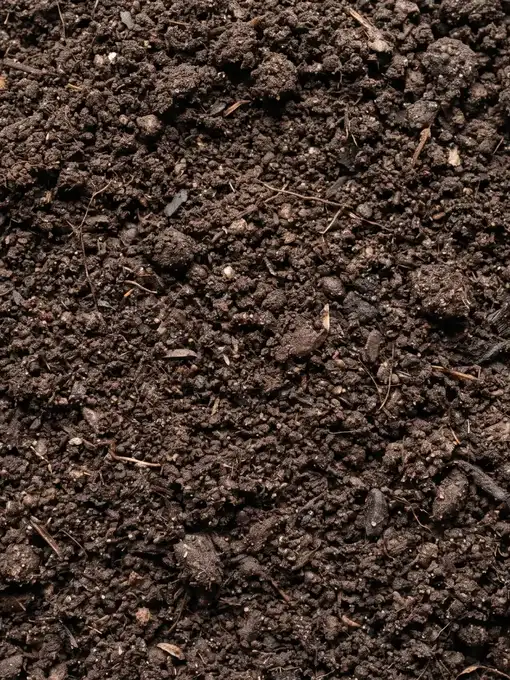
Garden Soil Delivery in Saint Petersburg, FL
Bulk garden soil delivered in Saint Petersburg, FL. Dark brown color.
Starting from $529.71 delivered to Saint Petersburg for 2 tons, our minimum order
Garden Soil Delivery in Saint Petersburg, FL for Sandy Yards
Most of Saint Petersburg sits on sand that drains in minutes, which is lovely for a patio and hard on a tomato plant. Ordering garden soil delivery in Saint Petersburg, FL puts a dark, organic planting layer on top of that sand without a trailer, a borrowed truck or a weekend of bag hauling. With about 260,000 residents on a peninsula between Tampa Bay and the Gulf, the city has plenty of small lots, older bungalows and shaded courtyards where a few tons does a lot of work.
For the wider picture across the state, see Garden Soil in Florida. Practical details about getting a load to your street are on the page for delivery in Saint Petersburg.
Where Garden Soil Earns Its Keep Near the Bay
Salt air, summer heat and sandy ground all work against young plants. A deep layer of garden soil gives roots a reservoir that keeps moisture around longer between rains.
- Raised vegetable boxes: fill them to the brim and roots stay above the wet ground that follows a summer storm.
- Pollinator and butterfly beds: native and ornamental flowers settle in quickly in a loose mix. Butterfly plantings in particular repay the effort.
- Citrus and fruit trees: a generous ring of rich soil gives a young tree a better start in sandy ground.
- Courtyard planters: useful on city lots with almost no ground left.
Lawns are a different job. To level ground before sod, a screened product such as Premium Screened Topsoil settles more evenly. For a walkway beside the beds, Pea Gravel is a small, comfortable stone underfoot.
Working Out Tons for Your Beds
This material is sold by the ton, so a load is a weight. Start with the volume: length in feet times width in feet times depth in inches, divided by 324, gives cubic yards. The calculator handles that arithmetic and the conversion to tons in one step. For a curved bed, split the shape into rectangles and add the results together.
Plan on the pile losing some height once a few summer storms soak it, so round your total up by roughly ten percent. Beds beside sea walls, canals and driveways are the easiest to overfill, so pencil your finish height on the edging before the load arrives.
Choosing a Drop Spot on a Tight Street
Many older Saint Petersburg blocks have parked cars on both sides and alleys behind the houses. Look at your street the way a driver would: a long truck needs a straight approach and open air above it to lift the bed. If the best place is behind the house, say so when you order. Keep the pile off storm drains and clear of the sidewalk, and lay a tarp first, because wet soil stains pale concrete and pavers within a few rain showers.
Price by ZIP and Order Size
Enter your ZIP on the product page and the live engine works out the delivered price to your address. Larger orders get a lower rate per ton, so one bigger delivery usually beats two small ones. The smallest order is 2 tons, which is generous for a pair of planters, so combine them with a border or share a load with a neighbor.
People in Clearwater and Tampa, each about 17 miles away, and Brandon, about 24 miles away, often shop the same way. Sarasota is about 31 miles south.
Placing the Order
Pick your tons, confirm the ZIP and check out. For a community garden or a whole-yard replant, reach out through the contact page first so the plan can be talked through. Bring along the rough size of each bed and what you plan to grow, because those two details settle the tonnage faster than anything else.
About Garden Soil
In Saint Petersburg, garden soil is a dark brown planting blend sold by the ton. It is loose, crumbly and rich in organic matter, which makes it easy to rake into flower beds, vegetable plots and planters. Around Tampa Bay, where many yards sit on pale, fast-draining sand, it adds the body that holds water and nutrients near the roots.
Use it for raised beds, shrub borders, tree rings and low patches that need filling before seed or sod. It is a growing material, not a base material, so keep it out of spots that have to carry weight. A crushed stone product suits those jobs better.
Texture and shade shift a little from load to load, darker and heavier after rain, lighter and fluffier when dry. Neither changes how well plants root in it.
What Garden Soil costs in Saint Petersburg
Local Saint Petersburg yards quote garden soil by the ton; the delivered number includes fuel, the truck, and the haul. Send your ZIP and load size and we will send back a same-hour quote with the truck rate and the per-ton figure spelled out. A ton of this material spreads across about 108 sq ft when laid 3 inches deep, useful when you are sizing a patio base or a walkway run.
How crews use Garden Soil in Saint Petersburg
In and around Saint Petersburg, garden soil shows up most often on two project types. At roughly 261,256 people, the Saint Petersburg order mix leans toward 3 to 8 ton residential drops with the occasional 16 ton job for a contractor.
Delivery day in Saint Petersburg
A typical Saint Petersburg drop is dispatched from the closest yard with a two hour window and a heads-up call once the truck is loaded. Tandem trucks want a 12 ft lane in and out; tri-axles need 14 ft, and both want firm ground at the tipping spot so the load releases cleanly. Standard lead time on this lane is Mon-Sat, with same-day windows held open for orders that hit the desk before 11 AM and clear payment.
Related materials we deliver in Saint Petersburg



Estimate how much you need
Work out your material
A planning figure, not a guarantee. Order roughly a tenth extra to cover settling and uneven ground.
Browse more
Common uses for Garden Soil in Saint Petersburg
Available in nearby cities
Plan your project
Related guides
 GUIDEHow Much Does River Rock Cost? By Ton or YardRiver rock cost depends on your ZIP code, order size, and whether you buy by the ton or the cubic yard. Here is how pricing works.Read guide →
 GUIDEWhat Size Crushed Stone Goes Under a Concrete SlabMost slabs need 4 to 6 inches of compacted crushed stone underneath. What size crushed stone under a concrete slab needs, and why it matters.Read guide →
 GUIDEWhat Is Crushed Stone? Sizes, Uses and Buying BasicsCrushed stone is quarried rock crushed and screened into angular pieces sold by the ton. Here is what it is, how it is graded, and where to use it.Read guide →
 GUIDEHow Much Does Gravel Cost? A Practical Pricing GuideHow much does gravel cost and why does it vary? See the real factors behind ton pricing, delivery, and order size before you buy.Read guide →
Frequently Asked Questions
Does salt air change which plants I should choose?
It does. Onshore wind carries salt spray that scorches tender leaves, so keep tolerant species nearest the water and shelter delicate ones behind a fence or hedge. Good soil helps any plant establish, but it will not change the exposure. Rinsing new plantings with fresh water after a strong blow keeps leaf burn down.
Should I mix garden soil with the sand already in my yard?
Usually yes. Blend roughly equal parts soil and native sand through the top six to eight inches. The result drains reliably yet holds some moisture. A deep layer dumped over sand with no mixing can form a sharp boundary that roots and water struggle to cross.
How do I stop soil washing into the street?
Edge the bed with timber, metal or stone so the soil sits behind a lip. Cover bare areas with mulch within a day or two, and sweep stray soil back onto the garden before the next storm pushes it toward a drain. Heavy summer downpours move loose soil quickly.
What mulch goes best on top of new beds?
Pine bark, cypress and shredded hardwood all work. Spread two to three inches and pull it a few inches back from stems and trunks so they do not rot. Mulch slows evaporation through a Gulf Coast summer and slowly breaks down to feed the soil underneath.
How soon can I plant after the soil is spread?
Usually right away. Rake the pile level, water it in well and plant the same day if the soil is damp but not soggy. Seeds and transplants both do fine in fresh soil. If you spread it a few days ahead, rake the surface lightly first to break any crust before sowing small seeds.
When is the best season to plant new beds?
Fall through early spring suits most vegetables and many flowers on the Gulf Coast, since summer heat and heavy rain are hard on young roots. Trees and shrubs often establish well in the cooler months. Prepare the bed ahead of time so it is ready when the weather turns.
Is the soil suitable for fruit trees?
Yes, as a planting mound and a surface layer. Dig a wide hole, mix garden soil with the sand you removed, and set the tree at its original depth. A slow, deep watering routine through the first year matters more than adding extra soil to the hole.
What happens to leftover soil?
Leftover soil keeps well under a tarp. Use it to top up beds as they settle, fill containers next season or build a small mound for a new shrub. Spring is when most gardeners find a spare pile handy, so a little extra is rarely wasted.