
Compost Delivery in Tempe, AZ by the Cubic Yard
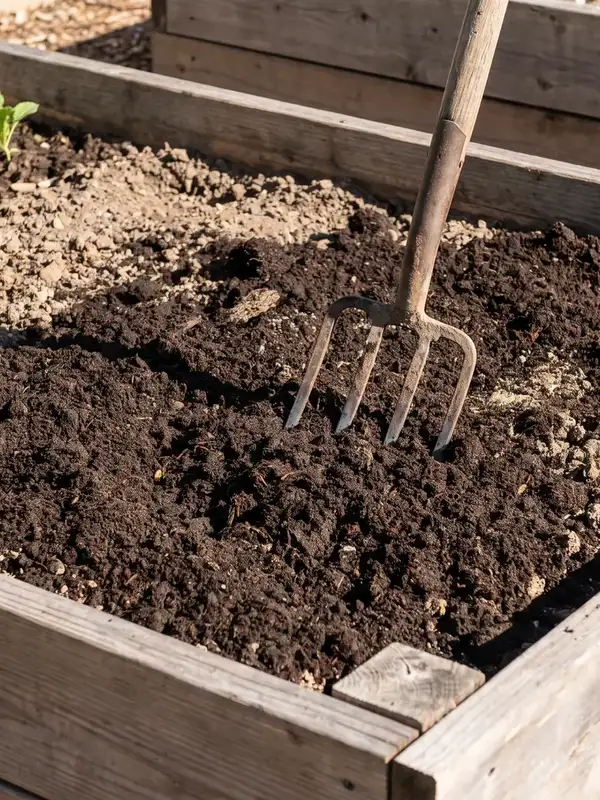
Bulk compost delivered in Tempe, AZ. Dark brown color.
Starting from $532.35 delivered to Tempe for 2 yards, our minimum order
Compost delivery in Tempe, AZ puts a dark, crumbly soil amendment on your driveway or curb by the cubic yard, ready to work into beds that fight caliche, sun and fast-draining desert ground. Tempe is a city of about 180,000 people in the Phoenix-Mesa-Chandler area, and most of its yards are small to mid-sized lots where a few cubic yards go a long way.
This page covers what compost does in Tempe soil, how to size an order, and how ordering works. For the state overview, see Compost in Arizona, and for the logistics side, see delivery in Tempe.
Why compost suits Tempe yards
Valley soil tends to be alkaline, low in organic matter and quick to shed water. Compost adds the organic material that holds moisture near roots and feeds the microbes that make nutrients usable. Raised vegetable beds in a Tempe backyard, citrus and shade trees along a ranch-style block, and patches of new sod near a rental property all respond to it.
Compost is a conditioner, not a fill. It is light and spongy, so it belongs mixed into existing ground or layered on top, not poured as a base under pavers or a slab. For walkways and drainage strips, a rock such as Pea Gravel is the better pick.
Best uses around Tempe
- Vegetable and herb beds: work a few inches into the top of the bed before planting.
- Tree and shrub rings: spread a thin layer out to the drip line and keep it back from the trunk.
- Lawn repair: a light top-dressing over overseeded or patched turf.
- Mixed fill soil: blend with native dirt or with Premium Screened Topsoil to build a planting mix with body and nutrients.
- Mulch-style cover: a coat on bare planting areas slows evaporation between waterings.
How much compost you need
Compost is sold by the cubic yard here, and the smallest order is 2 cubic yards. A cubic yard of compost weighs roughly 1,000 pounds, which is lighter than most rock, so a truck carries a lot of volume.
To size a bed, multiply length by width in feet, then by the depth in inches, and divide by 324. A 4 by 12 foot raised bed filled 6 inches deep comes to under 1 cubic yard, so two such beds are a natural fit for the minimum. For a larger project, the calculator handles the arithmetic if you enter your measurements, though remember it was built for gravel, so treat its result as a volume figure and not a material recommendation.
Because compost settles as it breaks down and is watered in, many Tempe gardeners round up a little instead of ordering to the exact inch.
Compost delivery in Tempe, AZ: how ordering works
Enter your ZIP on the product page and the live engine shows the delivered price for your address, so what you see is what the order covers. Larger orders get a lower rate per cubic yard, which favors a single bigger drop over several small ones if you have a few beds or a whole lot to cover.
Pick the quantity, confirm the address, and place the order online.
Staging the pile and timing the work
A dump truck leaves compost in one heap, so choose a spot on the driveway or street edge that is flat and clear of low branches and wires. Lay a tarp under the heap if you want the pavement clean. Desert sun dries an open pile quickly and monsoon storms can wash it, so move it into beds soon after it arrives, or cover it with a tarp until you can.
Fall and early spring are the usual planting seasons in the Valley, and they are also the easiest times to dig compost in without baking the soil.
Other materials for the same project
Many Tempe jobs pair compost with rock. Plan the two quantities separately, since each material has its own unit. Topsoil and pea gravel are listed above, and the same city offers River Rock and #57 Crushed Stone. Neighbors such as Mesa and Scottsdale, each about 5 miles away, and Chandler at about 10 miles, are common reference points for people comparing options across the Valley.
About Compost
Compost is a dark brown, fully broken down organic material made from yard trimmings and other plant matter. It looks and feels like rich crumbly soil, and it smells earthy, not sour. Gardeners use it to improve the structure of sandy or clay ground, to feed plants and to help soil hold water between irrigation cycles.
In Tempe, where native soil is often alkaline and low in organic matter, compost is most useful when it is mixed into the top several inches of a bed, not laid under hardscape. It works well around trees, in vegetable plots and as a light top-dressing on lawns.
Compost is sold by the cubic yard, and a cubic yard weighs about 1,000 pounds. Tempe compost orders begin at 2 cubic yards. The delivered price for your ZIP shows on the page, and larger orders get a lower rate per cubic yard.
What Compost costs in Tempe
Around Tempe, compost is quoted by the ton with delivery layered in based on distance from the closest yard. Send your ZIP and load size and we will send back a same-hour quote with the truck rate and the per-ton figure spelled out. Plan on roughly 216 sq ft of coverage per ton at 3 inches deep, which puts a single-car driveway in the 3 to 5 ton bracket.
How crews use Compost in Tempe
Tempe contractors keep compost on the order sheet for a short list of standard installs. Top of the list is planting bed gravel, where the material is rolled out in tight urban lots and infill builds and screeded to grade. Tempe sits at about 180,587 residents, which means we see steady weekday traffic from landscape crews and weekend pickups from owner-builders.
Delivery day in Tempe
Delivery in Tempe runs out of the nearest pit; you get a two hour arrival window the evening prior and a call when the driver leaves the scale. Plan for 12 ft of clear path for a tandem and 14 ft for a tri-axle, plus a level area at the dump point so the bed lifts straight. Standard lead time on this lane is Mon-Sat, with same-day windows held open for orders that hit the desk before 11 AM and clear payment.
Related materials we deliver in Tempe


Estimate how much you need
Work out your material
A planning figure, not a guarantee. Order roughly a tenth extra to cover settling and uneven ground.
Browse more
Available in nearby cities
Plan your project
Related guides
 GUIDEWhat Is #57 Stone? Uses, Size, and Cost ExplainedPractical, field-tested guide: what is 57 stone. Pulled from real US installer notes and 2026 supplier price data.Read guide →
 GUIDEHow Deep Should a Gravel Driveway Be? Layer GuidePractical, field-tested guide: how deep should gravel driveway be. Pulled from real US installer notes and 2026 supplier price data.Read guide →
 GUIDEHow Much Does River Rock Cost? By Ton or YardRiver rock cost depends on your ZIP code, order size, and whether you buy by the ton or the cubic yard. Here is how pricing works.Read guide →
 GUIDEWhat Size Crushed Stone Goes Under a Concrete SlabMost slabs need 4 to 6 inches of compacted crushed stone underneath. What size crushed stone under a concrete slab needs, and why it matters.Read guide →
Frequently Asked Questions
What does compost do for desert soil?
It adds organic matter that holds water longer and gives roots a steadier supply of nutrients. In fast-draining Valley ground, that means less frequent watering and better plant growth. It will not fix every problem, since hard caliche layers still need to be broken up, but mixed into the top few inches it makes planting beds far easier to work.
Can I use compost straight as potting soil?
Usually not. Pure compost is rich and can hold too much moisture for containers, and it may burn tender seedlings. A common approach is blending it with topsoil or native dirt at a ratio your plants tolerate. In garden beds, mixing about a quarter to a third compost into the existing soil is a typical starting point.
How deep should I spread compost on a lawn?
Keep it thin. A top-dressing of about a quarter to a half inch, raked in, feeds turf without smothering it. Anything heavier can bury the grass blades and hold water at the surface. Spread it after mowing, water it in, and expect to see the grass push through within a couple of weeks.
Is compost the same as mulch?
No. Compost is fully broken down and meant to feed soil, while mulch is coarser and mainly shades the surface and slows evaporation. You can lay compost under a mulch layer, and many gardeners do. Used alone on top, compost works as a light cover, but it will wash and blow around more than bark or chips.
Will weed seeds come with compost?
Well-finished compost reaches temperatures that kill most weed seeds, so it is usually clean, though an odd sprout can appear. Pull any that show up early, before they set roots. Keeping beds watered on a schedule and covered with a thin layer of mulch also cuts down on whatever does germinate.
How should I store leftover compost?
Keep it in a pile or bin and it stays usable for months. A damp pile continues to mellow, so a small leftover heap is fine for topping up beds later. If the surface crusts over, turn the heap with a shovel and sprinkle it with water until it is evenly moist, like a wrung-out sponge, before you spread it.
Can I order compost together with rock?
Yes, but each material is its own order. Add each item to your cart separately, check the delivered price for your ZIP on each page, and plan on separate piles so the two do not mix on your driveway. Keeping them apart also makes it easier to shovel compost into beds without scooping up stray stones.
What if my driveway is too small for a dump truck?
Tell us in the order notes where the truck can safely reach, such as the curb or the closest flat section. A pile on the street edge can be moved by wheelbarrow in a few trips. Lay plywood or a tarp along the route first so loaded wheels do not scuff pavers, and shovel the last bits off the pavement before they stain.