
Fill Dirt Delivery in Boise, ID by the Ton
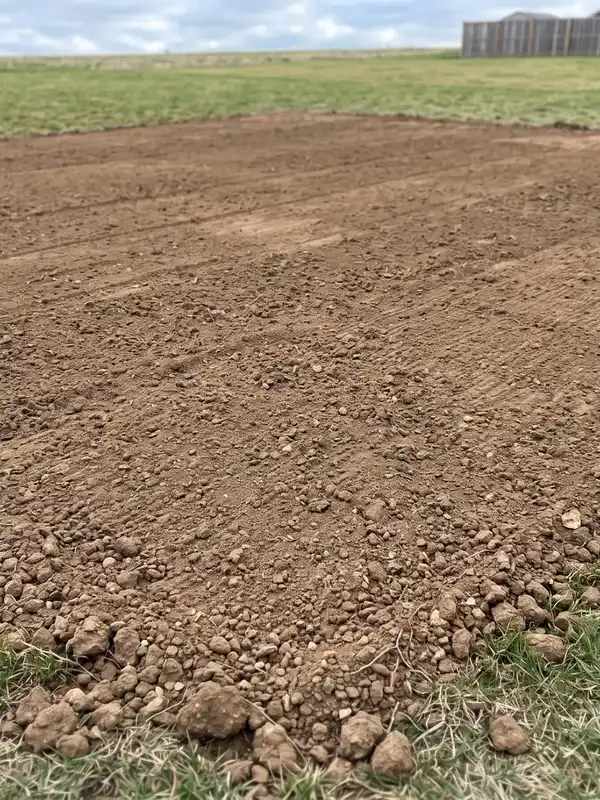
Bulk fill dirt delivered in Boise, ID. Brown color.
Starting from $441.16 delivered to Boise for 2 tons, our minimum order
Fill dirt delivery in Boise, ID, sold by the ton
Boise sits on a broad valley floor with the foothills rising to the north, and a lot of yards here need grade work before anything else happens. If you are searching for fill dirt delivery in Boise, ID, the process is simple: enter your ZIP, see the delivered price, and order by the ton.
Boise orders start at 2 tons. That covers a small backfill or a few low patches, while bigger jobs just scale up from there. See our full delivery in Boise page for how drop-offs are handled across the city, or browse Fill Dirt in Idaho if you are comparing with other parts of the state.
How much dirt a Boise job takes
Measure the length and width of the area in feet, then decide how deep the fill needs to be in inches. For a Boise job, multiply the three numbers and divide by 324 to get cubic yards. Since this material runs about 2,200 pounds per cubic yard, multiply the yards by 1.1 to estimate tons. A 20 by 15 foot pad filled 6 inches deep, for example, works out to about 5.6 cubic yards, or roughly 6 to 7 tons once you allow for compaction.
Fill settles. Plan on ordering about 10 to 15 percent beyond the math if you will be compacting in lifts. If you would rather not do the arithmetic by hand, the calculator handles the volume step, and you can convert the result to tons with the 1.1 figure above.
Where fill dirt gets used around Boise
- Backfill: refilling around foundations, trenches, and the space behind retaining walls.
- Leveling: bringing uneven yards up to a consistent grade before sod or hardscape.
- Drainage correction: building a gentle slope so water moves away from a house or shop.
- Pads and bases: raising the ground under a shed, concrete slab or driveway approach.
- Irrigation ditch edges: filling washed-out sections along property lines.
Boise's dry summers and the irrigation season both shape these jobs. Fill placed in spring can be compacted while the ground still holds some moisture, and a light mist while you roll it helps the layers bind.
Pricing notes
The page shows the delivered price for the ZIP you enter, calculated live, so there is no guessing at a separate trucking charge. The number you see is tied to your address, and it drops per ton as the order grows. That makes it worth sizing the order to the whole project instead of buying in several small pieces.
Pairing fill with other materials
Fill dirt builds the foundation of a project, and other materials finish it. Once the grade is set and compacted, a layer of Premium Screened Topsoil gives grass and garden plants a proper growing surface, and a layer of Mulch over the beds holds moisture through the hot months. Pea gravel and compost are also available for Boise addresses, and each one is sold in its own unit, so check the unit on each page when you build an order.
Ordering and placing the load
Pick a spot where the truck can tip the load without hitting wires, low branches or soft ground. A driveway or an open curbside area works well, and a tarp underneath keeps a clean edge on pavement. Spread the pile soon after it lands, working in layers of about 6 inches and compacting each one before adding the next. Leaving a big heap sitting uncovered through a storm invites runoff, so spread or cover it when rain is forecast.
Start by entering your ZIP, check the delivered price, and choose how many tons you need. Before the order goes in, walk the lot and note where the fill will end up, how high the finished surface should sit against any existing slab or fence, and where water currently runs after a heavy rain. Stake the corners of the area and mark the finished height on a post so you can check your progress as the layers go down. Those few minutes of planning on a Boise lot save a lot of moving of material later, and they make it easier to judge whether the quantity you picked really matches the space.
About Fill Dirt
Fill dirt is a brown, general-purpose earth used to raise, level and backfill ground. It is not screened for planting, so it is the right choice under a slab, behind a retaining wall, or in a low spot that needs bringing up to grade. It packs down firmly when placed in layers and run over with a plate compactor or roller.
Boise fill dirt is sold by the ton. A cubic yard of it weighs roughly 2,200 pounds, which is a little over one ton, so a yard-based estimate converts to tons with a small bump upward. Because it is a fill material rather than a finish soil, expect a mix of clay, silt and some small stone, with color and texture that can vary from load to load.
Keep fill dirt out of flower beds and lawns where you want things to grow. For those jobs, use a screened topsoil or compost on top of the compacted fill.
What Fill Dirt costs in Boise
Local Boise yards quote fill dirt by the ton; the delivered number includes fuel, the truck, and the haul. Send your ZIP and load size and we will send back a same-hour quote with the truck rate and the per-ton figure spelled out. A ton of this material spreads across about 98 sq ft when laid 3 inches deep, useful when you are sizing a patio base or a walkway run.
How crews use Fill Dirt in Boise
In and around Boise, fill dirt shows up most often on two project types. The most common deployment is erosion control, often in tight urban lots and infill builds in two to three inch lifts. Second on the list is driveway gravel, which we see in dense neighborhoods where curb access is short on partial-truck deliveries. At roughly 236,000 people, the Boise order mix leans toward 3 to 8 ton residential drops with the occasional 16 ton job for a contractor.
Delivery day in Boise
A typical Boise drop is dispatched from the closest yard with a two hour window and a heads-up call once the truck is loaded. Tandem trucks want a 12 ft lane in and out; tri-axles need 14 ft, and both want firm ground at the tipping spot so the load releases cleanly. Standard lead time on this lane is Mon-Sat, with same-day windows held open for orders that hit the desk before 11 AM and clear payment.
Related materials we deliver in Boise
 Price by ZIP
- SizeScreened, no size grade
- Density2200 lb/yd³
- ColorDark brown
 Price by ZIP
- Density2000 lb/yd³
- ColorDark brown
 Price by ZIP
- Density1000 lb/yd³
- ColorDark brown
Estimate how much you need
Work out your material
A planning figure, not a guarantee. Order roughly a tenth extra to cover settling and uneven ground.
Browse more
Common uses for Fill Dirt in Boise
Available in nearby cities
Plan your project
Related guides
 GUIDEHow Much Gravel Do I Need? Quick Sizing GuidePractical, field-tested guide: how much gravel do i need. Pulled from real US installer notes and 2026 supplier price data.Read guide →
 GUIDEWhat Is #57 Stone? Uses, Size, and Cost ExplainedPractical, field-tested guide: what is 57 stone. Pulled from real US installer notes and 2026 supplier price data.Read guide →
 GUIDEHow Deep Should a Gravel Driveway Be? Layer GuidePractical, field-tested guide: how deep should gravel driveway be. Pulled from real US installer notes and 2026 supplier price data.Read guide →
 GUIDEHow Much Does River Rock Cost? By Ton or YardRiver rock cost depends on your ZIP code, order size, and whether you buy by the ton or the cubic yard. Here is how pricing works.Read guide →
Frequently Asked Questions
Can fill dirt go under a shed pad or driveway approach?
Yes, as a compacted base it is a common choice for shed pads and driveway approaches. Keep the layers even and firm, and let the ground settle before you pour or lay anything on top. For a structural slab or a heavy load, check the requirements with your builder or local code first.
Is fill dirt a good fit for a foothills slope or a flat valley lot?
Both, with different goals. On a flat valley lot in Boise, fill mostly raises low spots and sets a level pad. On a slope toward the foothills, it can build a terrace or even out a grade, but the surface should be compacted and shaped so water runs away from structures instead of pooling.
How many tons would a small low patch beside a Boise driveway need?
Take a low patch 12 feet long and 10 feet wide, raised 4 inches. That is about 1.5 cubic yards, or a little over 1.5 tons. Since the smallest order is 2 tons, you would order 2 and have a bit left to top off low spots after the fill settles.
Can I order less than 2 tons?
Can I grow grass directly on fill dirt?
It is possible, but results are usually poor. Fill dirt is not screened and tends to be low in organic matter, so grass struggles to root. A better plan is to compact the fill to grade, then spread a few inches of screened topsoil over it before seeding or laying sod.
Does the price I see include delivery?
Yes. The price shown on the page is the delivered price for the ZIP you enter, so it already accounts for getting the material to your address. It is calculated live, so check it again if you change the quantity.
How can I tell when a layer of fill is compacted enough?
Walk across it after a pass with the compactor. If your boots leave deep prints or the surface feels springy, it needs more passes. A firm layer barely marks under foot traffic. Check again after the first rain, since any spots that sink are worth topping off before you finish the surface.
Where should the truck drop the load?
Choose a flat, open area with clear overhead space and firm ground, such as a driveway or a cleared section of the yard. Lay a tarp if you want to protect pavement. Place the pile close to where the dirt will be used so you spend less time moving it by wheelbarrow.