
Fill Dirt Delivery in Hoover, AL for Homes and Job Sites
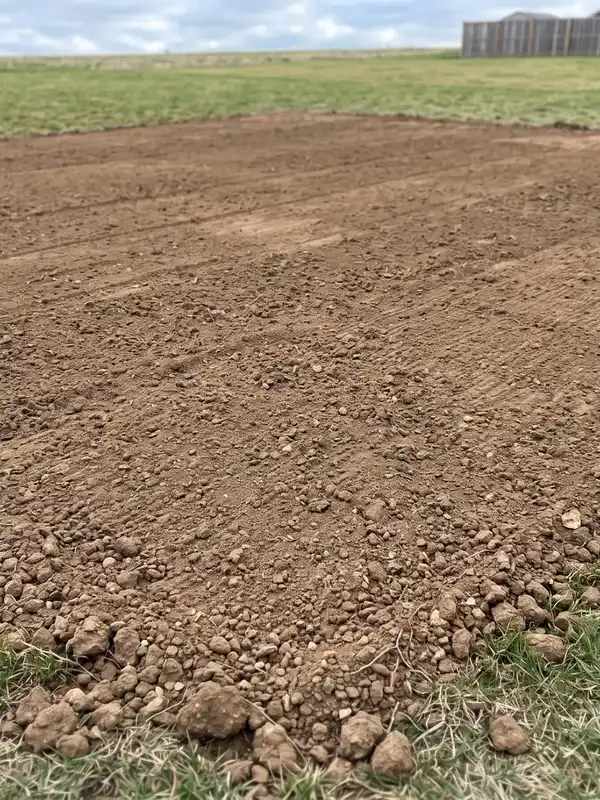
Bulk fill dirt delivered in Hoover, AL. Brown color.
Starting from $474.79 delivered to Hoover for 2 tons, our minimum order
Hoover sits just south of Birmingham, and many of its yards carry enough grade change to make fill dirt the practical fix. If you are shopping for fill dirt delivery in Hoover, AL, this page walks through the local picture and each step of the order.
Fill dirt delivery for Hoover, AL homes and small job sites
Hoover is a suburb with a long mix of older subdivisions and newer builds. Lots in the older subdivisions may have settled or been cut into a slope for a driveway, and newer homes frequently sit on scraped soil that needs building up around the foundation. Small job sites use bulk fill for the same reasons, from a new storage pad to the edge of a commercial lot. About 93,000 people live in the city, so the demand for grading work is steady across many kinds of property. Statewide context lives on the Fill Dirt in Alabama hub.
Projects that suit bulk fill in Hoover
- Leveling a sunken patch of lawn or a dip beside a walkway
- Building a pad for a shed, a carport, or a storage area
- Raising a building site before a slab goes in, with the slab details set by a builder
Lots with mixed uses often need more than one kind of fill. A backyard patio might need a firm base for the slab, while the side yard only needs a skim of material to even out a dip. Break the job into zones and size each zone on its own, so the tonnage follows the actual shape of the ground.
Fill also works as the base under pavers or sod. For beds that need rich growing soil, Premium Screened Topsoil is the better finish. Once the grade is set, a planting bed may also need a layer of Mulch to hold the surface in place.
Working out the volume for a Hoover fill project
Take the square footage of the area and multiply it by the depth in inches. For Hoover fill dirt jobs, divide that product by 324 to get cubic yards. A 900 square foot area filled 3 inches deep comes to about 8.3 cubic yards, or roughly 9 tons once weight is counted. Those numbers are an example of the method, so run the math with your own measurements.
Fill drops as it compacts and as rain soaks in, so finish a little above the target elevation and expect some material to be added later. If the footprint is an odd shape, the calculator turns your dimensions into a volume estimate.
Pricing for fill dirt in Hoover by ZIP
Fill dirt is sold by the ton, and each order is priced at the delivered rate for the ZIP you enter. Two addresses in different parts of Hoover can see different totals for the same tonnage, so enter your own ZIP to see the number that applies. Larger orders drop to a lower rate per ton, so a single bigger load often costs less per ton than two smaller ones.
Delivery day at a Hoover address
Choose a drop point on firm, reachable ground with overhead clearance and space to turn, and stake the spot where the pile belongs. Keep kids, pets, and vehicles away from it. Steep driveways or soft shoulders can make the approach harder, so look at the route before you place an order. After a hard rain, give the ground time to firm up, because a soggy lawn rutted by the truck is slow to repair. Local notes for Hoover addresses are on the delivery in Hoover page.
Ordering from Hoover
The order page asks for your ZIP and a tonnage, then shows the delivered total before checkout. Orders start at 2 tons, which is already more than a flower bed needs. Many buyers who need a whole lot filled write down the square footage and depth first, so the tonnage matches the plan from the start. Keep a note of the ZIP you used and the total you saw, so you can compare the same order across visits.
About Fill Dirt
Fill dirt is a brown, dense bulk soil sold for grading and leveling. It contains little organic matter, so it serves as the body of a grade rather than a growing medium. Homeowners and contractors reach for it when a low area needs to come up to the level of the ground around it.
Orders are sold by the ton, and a ton is 2,000 pounds. The material weighs about 2,200 pounds per cubic yard. Quantities are counted in tons throughout, so the figure you choose on the order page is the same unit you compare when you shop around.
The product fills dips in a lawn, raises a corner of a yard, and gives a stable level for hardscape. Once the surface is shaped, sod, pavers, or a planting bed can sit on top of it without any special preparation beyond normal site work.
Fill dirt is heavy and it moves a little as it settles. It works best as the lower part of a project, with a finish material chosen for the job on top.
What Fill Dirt costs in Hoover
Around Hoover, fill dirt is quoted by the ton with delivery layered in based on distance from the closest yard. Send your ZIP and load size and we will send back a same-hour quote with the truck rate and the per-ton figure spelled out. Plan on roughly 98 sq ft of coverage per ton at 3 inches deep, which puts a single-car driveway in the 4 to 7 ton bracket.
How crews use Fill Dirt in Hoover
Hoover contractors keep fill dirt on the order sheet for a short list of standard installs. Top of the list is erosion control, where the material is rolled out in tight urban lots and infill builds and screeded to grade. Right behind that is driveway gravel, common in dense neighborhoods where curb access is short and often paired with edging or fabric below the lift. Hoover sits at about 93,013 residents, which means we see steady weekday traffic from landscape crews and weekend pickups from owner-builders.
Delivery day in Hoover
Delivery in Hoover runs out of the nearest pit; you get a two hour arrival window the evening prior and a call when the driver leaves the scale. Plan for 12 ft of clear path for a tandem and 14 ft for a tri-axle, plus a level area at the dump point so the bed lifts straight. Standard lead time on this lane is Mon-Sat, with same-day windows held open for orders that hit the desk before 11 AM and clear payment.
Related materials we deliver in Hoover
 Price by ZIP
- SizeScreened, no size grade
- Density2200 lb/yd³
- ColorDark brown
 Price by ZIP
- Density2000 lb/yd³
- ColorDark brown
 Price by ZIP
- Density1000 lb/yd³
- ColorDark brown
Estimate how much you need
Work out your material
A planning figure, not a guarantee. Order roughly a tenth extra to cover settling and uneven ground.
Browse more
Available in nearby cities
Plan your project
Related guides
 GUIDEWhat Size Crushed Stone Goes Under a Concrete SlabMost slabs need 4 to 6 inches of compacted crushed stone underneath. What size crushed stone under a concrete slab needs, and why it matters.Read guide →
 GUIDEWhat Is Crushed Stone? Sizes, Uses and Buying BasicsCrushed stone is quarried rock crushed and screened into angular pieces sold by the ton. Here is what it is, how it is graded, and where to use it.Read guide →
 GUIDEHow Much Does Gravel Cost? A Practical Pricing GuideHow much does gravel cost and why does it vary? See the real factors behind ton pricing, delivery, and order size before you buy.Read guide →GUIDEGravel Size Chart: Pea Gravel to Crushed StoneA gravel size chart showing pea gravel, crushed stone and river rock diameters side by side, so you can match the right size to your project.Read guide →
Frequently Asked Questions
Can I pile fill dirt against a fence or retaining wall?
Be careful. Soil piled against a fence, wall, or the side of a shed adds sideways pressure and holds moisture against the wood or masonry. Keep fill a short distance back, or ask whoever built the wall whether it was designed to hold soil. A wall that was not built for the load can lean or crack over time.
Do I need to remove the grass before fill goes down?
Remove thick sod, weeds, and loose debris where the new fill will sit, or the layers will not bond to the existing ground. Scratch the surface of the old soil with a rake or a fork so the new material can grip it. Thin turf can stay in place, but dense mats of grass should be cut out first.
Will fill dirt drain water well once it is in place?
It depends on how dense the material is and how it was placed. Well-packed fill sheds water slowly, while loose fill lets it soak in and then settle unevenly. On a sloped lot, make sure the finished surface falls away from the house, then check the result after a heavy rain before you finish the top layer.
Is fill dirt suitable for a playground or sports area?
Generally no. Fill dirt is subsoil, so it is not designed for play surfaces, and it can carry rocks and debris that are unsafe for children or athletes. Playgrounds and fields need a surface product made for that use, with its own material standards. Fill can serve as the base beneath such a surface, but it should not be the play layer itself.
How is fill dirt different from the dirt already in my yard?
Yard soil usually holds more organic matter, roots, and nutrients, which help grass and plants grow. Fill is mostly mineral material that is dense and has little life in it. That difference is why fill is used for grading and leveling, while the richer yard soil stays where plants need it.
Can fill dirt be used to backfill a trench or a drain line?
Often, but check the requirement first. Utility and drain trenches can have rules about the material around the pipe, so ask the installer. For a plain trench, add fill in thin lifts, tamp each one, and leave a slight crown, since the trench will sink as the soil below it settles.
How far does a ton of fill dirt spread?
A ton covers a little less than one cubic yard of loose material. At 4 inches deep, that is roughly 70 to 75 square feet before settling. Thinner layers cover more ground and thicker ones cover less, so run the math for your own depth instead of guessing from a single number.
Who should I ask about grading rules before I start?
The city of Hoover building or planning department is the right office to ask. Grading rules can depend on how much soil moves, how close the work sits to a property line, and whether the change sends runoff onto a neighbor's land. A short call before the truck arrives costs far less than correcting a violation after the fill is down.