
Compost Delivery in Bryan, TX for Beds and Soil Repair
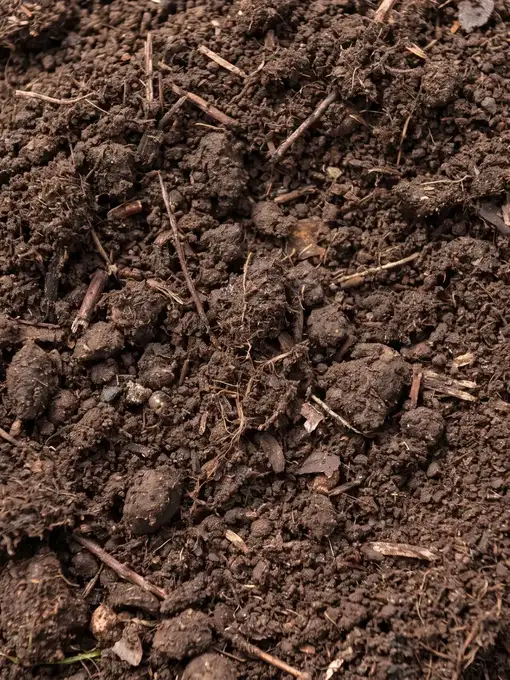
Bulk compost delivered in Bryan, TX. Dark brown color.
Starting from $532.35 delivered to Bryan for 2 yards, our minimum order
Compost Delivery in Bryan, TX for Brazos Valley Soil
Compost delivery in Bryan, TX suits homeowners and small crews working on gardens, lawns, and planting beds across the city. Bryan has about 92,000 residents and sits in the Brazos Valley of Central Texas, right next to College Station, which is about 4 miles away. Soil changes from one street to the next, with sandy patches in some areas and heavier clay in others, so one material rarely fits every yard.
Local projects often combine planting beds with a lawn or a low area that needs filling. A bulk load of compost handles the beds well, while other materials can cover the base or the grade. Jobs outside Bryan can start from Compost in Texas.
What Size Compost Order Fits a Bryan Bed
Start with the shape of the area. Bryan beds work out this way: multiply the length in feet by the width in feet, then by the depth in inches, and divide by 324 to get cubic yards. A 12 by 10 foot planting area filled 4 inches deep needs about 1.5 cubic yards, which fits inside a 2 cubic yard minimum with a little left over.
Compost packs down once it is watered and walked on, so order a little over your figure, which is easier than placing a second order. Lawn areas take a thinner layer, so give them their own line in the math.
The gravel driveway calculator will run the same length, width, and depth figures for you, which is handy for checking a bed before you commit.
Mulch is sold by the cubic yard, so the Mulch page follows the same measuring method as compost. Premium Screened Topsoil is sold by the ton instead, so convert your measurements before you compare it with a compost order.
Where Compost Pays Off in Bryan
Compost works best in planting beds, vegetable plots, and around shrubs, where the soil needs organic matter to hold water and nutrients. Bryan gardeners often use it to build up thin soil under a new lawn, where the ground has little structure yet. Work it into the bed rather than leaving it as a thick cap, so roots can move through the soil.
Lawns respond well to a thin topdressing spread over the grass and raked in, which improves the surface without smothering the blades. Apply it during the cooler months when grass is growing slowly and recovering, and avoid heavy layers during the hottest weeks of summer.
A sloped bank needs more care than a flat bed. Water runs off a bank quickly, so build a shallow edge at the bottom to hold the compost in place, and spread it in thin passes rather than one heavy one.
Getting the Load Onto Your Bryan Property
Settle on an unloading spot before the truck is on its way. Pick ground that is firm and level, with room for the truck to back in and pull out. If the yard sits behind a fence, measure the gate first, and walk the route for overhead lines, low limbs, and sprinkler heads.
Moving a yard of compost by hand takes a wheelbarrow and a second pair of hands, so arrange both ahead of time. See delivery in Bryan for how the city is served.
What the Bryan ZIP Price Covers
The delivered price for your ZIP appears on the page once you enter it, and it already includes delivery to the property. Compost is priced per cubic yard, and a bigger order brings the rate down, so several beds filled in one order can cost less per yard than a small top-up bought later.
Use the quantity you calculated as a starting point, then compare the totals at a couple of sizes if your estimate falls between two amounts. A small leftover is usually easier to use on a second bed than to order separately.
Placing a Bryan Compost Order
Open the compost product page, pick a quantity, and enter your ZIP. The number that comes back is the delivered price for that address, so you can confirm the order before you check out.
Bryan crews sometimes pair compost with pea gravel or fill dirt for a base, and both are sold by the ton, so work out those quantities separately from the compost.
About Compost
About this material
This compost is a dark brown, crumbly product made from decomposed organic matter. It should look uniform, smell earthy, and feel light and moist in the hand. A cubic yard of material weighs roughly 1,000 pounds, which matters when you plan how many wheelbarrow trips a bed will take.
The main job of compost is to improve soil rather than feed plants on its own. Dense ground gets more pore space and drains better, while loose, sandy ground holds more water and nutrients. Over several seasons the soil life in the bed becomes more active, and roots find an easier path through the top layer.
Use it in planting beds, around established shrubs, in vegetable plots, and as a light topdressing for lawns. Mixed into a new bed before planting, it gives young plants a better start. Compost is not a replacement for a balanced fertilizer program, but it supplies a steady amount of nutrients as it breaks down.
What Compost costs in Bryan
Around Bryan, compost is quoted by the ton with delivery layered in based on distance from the closest yard. Send your ZIP and load size and we will send back a same-hour quote with the truck rate and the per-ton figure spelled out. Plan on roughly 216 sq ft of coverage per ton at 3 inches deep, which puts a single-car driveway in the 3 to 5 ton bracket.
How crews use Compost in Bryan
Bryan contractors keep compost on the order sheet for a short list of standard installs. Top of the list is planting bed gravel, where the material is rolled out in tight urban lots and infill builds and screeded to grade. Bryan sits at about 91,541 residents, which means we see steady weekday traffic from landscape crews and weekend pickups from owner-builders.
Delivery day in Bryan
Delivery in Bryan runs out of the nearest pit; you get a two hour arrival window the evening prior and a call when the driver leaves the scale. Plan for 12 ft of clear path for a tandem and 14 ft for a tri-axle, plus a level area at the dump point so the bed lifts straight. Standard lead time on this lane is Mon-Sat, with same-day windows held open for orders that hit the desk before 11 AM and clear payment.
Related materials we deliver in Bryan



Estimate how much you need
Work out your material
A planning figure, not a guarantee. Order roughly a tenth extra to cover settling and uneven ground.
Browse more
Available in nearby cities
Plan your project
Related guides
 GUIDEWhat Are Screenings? A Guide to Crushed Stone FinesScreenings are fine crushed stone used for paver bases, joint fill and walkways. See what screenings are, common types, and mistakes to avoid.Read guide →
 GUIDEWhat to Put Under River Rock for Landscaping BedsHere is what to put under river rock landscaping: a compacted base where needed, then landscape fabric, then rock, to stop weeds and settling.Read guide →GUIDEHow to Clean River Rock and Restore Its ColorLearn how to clean river rock landscaping with rinsing, soap and vinegar methods, plus common mistakes to avoid for a brighter, longer lasting rock bed.Read guide →
 GUIDEHow to Lay a Gravel Driveway: Step-by-Step GuidePractical, field-tested guide: how to lay gravel driveway. Pulled from real US installer notes and 2026 supplier price data.Read guide →
Frequently Asked Questions
Can compost fix sandy soil in Bryan?
Compost helps sandy soil hold water and nutrients that would otherwise drain away. The gains build over several seasons, so one load is a start rather than a finish. Top up the beds each year, and cover them with a layer of mulch to slow evaporation through the summer.
What is the best way to add compost under a new lawn?
Spread a shallow, even layer over the prepared soil, then seed or lay sod on the surface. Keep the depth modest and level, since new grass roots best into a firm, even surface. Any low spots that need filling should get topsoil first, so the finished grade is right before the grass goes down.
How much compost does a single shrub or tree need?
A ring around one tree or shrub uses far less than a bed does, so a couple of plants rarely justify an order alone. Add them to a bed order, or use leftover material. Spread a ring an inch or two deep, and keep it a few inches back from the stem or trunk.
How many wheelbarrow loads is a cubic yard?
A cubic yard is 27 cubic feet, a box 3 feet long, 3 feet wide, and 3 feet tall. A standard contractor wheelbarrow holds about 3 cubic feet when filled level, so one yard takes roughly nine trips. Heaped loads move more material per trip but are harder to control on uneven ground.
Is compost safe around pets and kids?
Finished compost is common in home gardens and play areas. Wash hands after handling it, keep pets from eating loose piles, and avoid spreading it on windy days when fine particles can drift. If the material has a strong ammonia or sour smell, wait until it is fully broken down before using it.
Does compost attract insects after it is spread?
Finished compost usually does not attract pests in any meaningful way. Fresh or poorly finished material can draw flies while it is still breaking down. Keep piles spread out instead of stacked, and turn stored material so it dries and cools.
What is the difference between compost and topsoil?
Topsoil adds bulk and a base for planting, and compost adds organic content, so many projects use both. Their quantities are figured separately, so work out each one on its own before ordering.
Should I water compost after spreading it?
Yes, a thorough watering on the day you spread it helps the material settle, start breaking down, and stay in place. Keep the surface damp for the first few days while the lawn or bed gets established. Avoid soaking the area so hard that runoff carries material off the site.