
Fill Dirt Delivery in Santa Fe, NM by the Ton
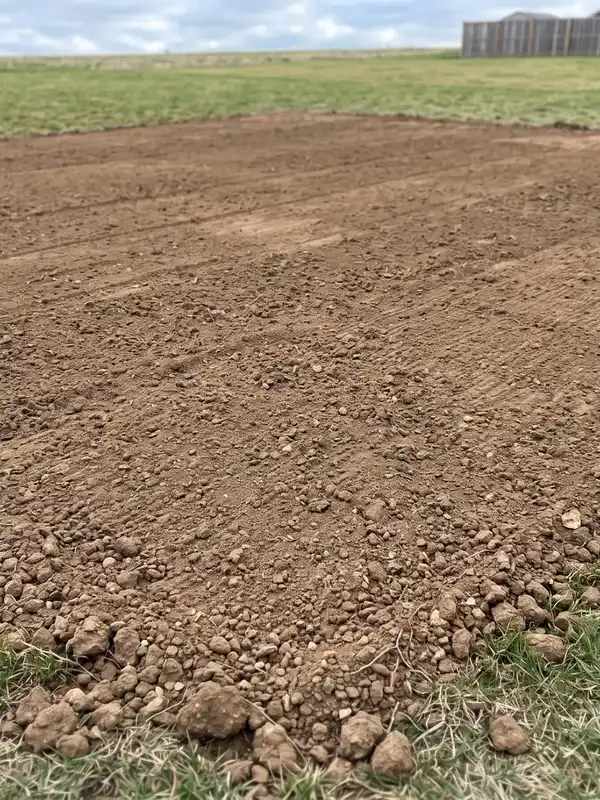
Bulk fill dirt delivered in Santa Fe, NM. Brown color.
Starting from $480.44 delivered to Santa Fe for 2 tons, our minimum order
Fill dirt delivery in Santa Fe, NM is ordered for the same basic reason it is ordered anywhere: the ground needs more height than it has. In Santa Fe that often means a garden terrace, a pad for a studio or shed, or a yard that was cut into a slope during construction. The city sits at roughly 7,000 feet, and lots here can have steep or uneven grades, so a planned fill saves rework compared with guessing at the volume.
Fill dirt delivery in Santa Fe for terraces, pads, and yards
Homeowners on sloped lots use fill to build a flat area for a seating patio or a play lawn, and to raise the low side of a terrace before planting. Contractors use it for pad preparation, backfilling a utility trench, and building grade behind a wall. The fill supplies the bulk, and the finish material above it is a separate decision.
Where Santa Fe fill dirt fits on a sloped yard
- Terracing a hillside into flat planting areas
- Leveling a patio or pad cut into a slope
- Filling a gully or swale on the lower side of the lot
- Backfilling behind a timber or block retaining wall
On a slope, the new material has to bond with the existing ground, so loosen the old soil at the contact line before you start. Work from the bottom of the slope upward and keep each layer thin so it does not slide. A tall fill pressing against a fence or the side of a building may need a retaining wall first.
Before the load arrives, set stakes at the outer edge of the finished grade and run a string line from the house to each stake. Where the string clears the existing ground by the depth you planned, the fill is sized right. Where the ground touches the string, that spot still needs material, and it is easier to catch on paper than with a wheelbarrow in hand.
Placing a fill dirt delivery at a Santa Fe address
Plan the drop with the slope in mind. Pick a flat, firm spot close to the work, check that the route avoids soft ground and steep driveway grades, and make sure someone is home to direct the load. Clear away lawn furniture, planters, and anything else in the path. For city-level details, see delivery in Santa Fe.
Cold season and spring work in Santa Fe
Santa Fe winters are cold, and the ground can freeze and thaw repeatedly through the season, which leaves fresh fill soft and hard to shape. Late spring and early fall are usually the most comfortable windows for grading. Frozen material should wait until it thaws, since it will not shape cleanly no matter how much effort goes into it.
How much fill dirt a Santa Fe yard needs
Measure the area in feet and the depth you want in inches. For a Santa Fe yard, cubic yards equal length times width times depth in inches, divided by 324. Convert to tons by multiplying by roughly 1.1, because fill dirt weighs about 2,200 pounds per cubic yard. Sloped sites rarely have a clean footprint, so measure at the high and low points and average the two. The calculator handles the arithmetic if you enter the same numbers.
What the delivered price shows for Santa Fe
Your price is the delivered total for your ZIP, displayed by the live engine before you commit. Bigger orders carry a lower rate per ton, so a terrace and a pad combined into one order often makes more sense than two separate small orders. Orders start at 2 tons.
Related materials and options for Santa Fe
Premium Screened Topsoil is the usual finish for planting areas laid over fill, and it is sold by the ton. Mulch and compost are sold by the cubic yard, so their orders are sized on a different scale. Pea Gravel is also sold by the ton here. The state overview, Fill Dirt in New Mexico, is a good place to compare options.
About Fill Dirt
Fill dirt is a brown, earthen material that adds height and mass to ground that is too low, uneven, or cut too deep. It is heavy, at roughly 2,200 pounds per cubic yard, and that weight is why suppliers and buyers measure it in tons. It is a structural filler rather than a planting medium.
Color and texture can vary between loads because the material is natural earth, not a manufactured blend. Slight differences in shade from one delivery to the next do not change how the fill behaves under a finish layer. Pick the finish material based on what the surface needs to do.
Sloped yards are where fill earns its keep. Stepping a hillside into level zones, closing a low side of a lot, and backing a retaining wall all depend on having a dense base that holds its shape. Plan that base first, then add the surface that suits the use.
What Fill Dirt costs in Santa Fe
In the Santa Fe market, fill dirt is sold by the ton and priced at the gate before delivery is added on. Send your ZIP and load size and we will send back a same-hour quote with the truck rate and the per-ton figure spelled out. One ton covers about 98 sq ft at a 3 inch finished depth, so a 400 sq ft driveway pad runs roughly 5 tons.
How crews use Fill Dirt in Santa Fe
Crews working out of Santa Fe tend to call for fill dirt on a few repeat jobs each week. The first is erosion control, typically laid in tight urban lots and infill builds with a base lift compacted before the finish course goes on. The second is driveway gravel, which lands here in dense neighborhoods where curb access is short and usually ships as a 4 to 8 ton order. With a population around 90,551, Santa Fe pulls a mix of single-truck homeowner orders and contractor full-loads through the season.
Delivery day in Santa Fe
On the day of the drop, the dispatcher pulls the closest yard, batches your ticket with other Santa Fe stops, and sends a window the night before. Tandem-axle dumps need at least 12 ft of clear width and 14 ft overhead to set the bed; tri-axles need 14 ft of clearance on both counts and a level pad to tip safely. Standard lead time on this lane is Mon-Sat, with same-day windows held open for orders that hit the desk before 11 AM and clear payment.
Related materials we deliver in Santa Fe
 Price by ZIP
- SizeScreened, no size grade
- Density2200 lb/yd³
- ColorDark brown
 Price by ZIP
- Density2000 lb/yd³
- ColorDark brown
 Price by ZIP
- Density1000 lb/yd³
- ColorDark brown
Estimate how much you need
Work out your material
A planning figure, not a guarantee. Order roughly a tenth extra to cover settling and uneven ground.
Browse more
Available in nearby cities
Plan your project
Related guides
 GUIDEWhat Is Crushed Stone? Sizes, Uses and Buying BasicsCrushed stone is quarried rock crushed and screened into angular pieces sold by the ton. Here is what it is, how it is graded, and where to use it.Read guide →
 GUIDEHow Much Does Gravel Cost? A Practical Pricing GuideHow much does gravel cost and why does it vary? See the real factors behind ton pricing, delivery, and order size before you buy.Read guide →GUIDEGravel Size Chart: Pea Gravel to Crushed StoneA gravel size chart showing pea gravel, crushed stone and river rock diameters side by side, so you can match the right size to your project.Read guide →
 GUIDEThe Different Types of Gravel and How to ChooseA plain-language guide to the main types of gravel, covering pea gravel, crushed stone, river rock and decomposed granite.Read guide →
Frequently Asked Questions
Will fill dirt work for a garden terrace?
It works well as the bulk of a terrace, since it builds the flat step that the bed sits on. Keep the planting zone on top with a richer layer of topsoil or compost, so roots have something to grow in. Terraces on steep ground often need a wall on the downhill edge to keep the fill from creeping over time.
Can I place fill dirt over a septic field?
Do not add fill over a septic system or a buried utility line until you know where those components sit. Heavy material and changed grades can damage a drain field or block access for pumping. Locate the system and confirm the layout with the property records or the installer before you move any ground above it.
How do I shape a steep slope without it washing out?
Cut the new surface in small steps rather than one long grade, and pack the edges of each step by hand or with a tamper. Cover bare fill with a mulch or erosion blanket while it settles in, so rain does not carve channels into the face.
What should I plant on new fill to hold a slope?
Deep-rooted native grasses and low shrubs hold new ground better than a bare face or a thin lawn. Add a layer of topsoil over the fill before planting, and water the first season so roots reach down. Plants take time to grip, so keep the erosion blanket in place until they fill in.
Can I mix fill dirt with mulch to save money?
Mixing the two is not a good plan. Mulch is a loose organic material that breaks down and does not provide the mass a fill needs, so the blend will settle unevenly. Keep them separate: fill dirt goes underneath to set the height, and mulch sits on the surface of planting areas where it can do its job.
Does raising the yard next to my house need special care?
Yes. Keep the grade falling away from the foundation, and leave the siding, vents, and any crawl space access clear of new material. Raising the ground too close to a wall can trap moisture against the structure, so keep the fill back from the building line and confirm the finished height before you place it.
Do I need approval to change the grade of a sloped lot in Santa Fe?
Possibly. A low garden step is rarely an issue, but tall walls, big cuts into a hillside, or fill that shifts runoff toward a neighbor can bring in city rules. Santa Fe has a lot of hillside lots, so call the city planning or building staff with a short description of your plan before work begins.
Can leftover fill dirt be stored on the property?
Yes, as long as the pile is kept covered and away from drains, the street, and neighboring lots. Store it on a firm, flat area that will not wash out. Keep construction debris out of it, since mixed material is harder to reuse and harder to place cleanly on the next project.