
Compost Delivery in New Orleans, LA by the Cubic Yard
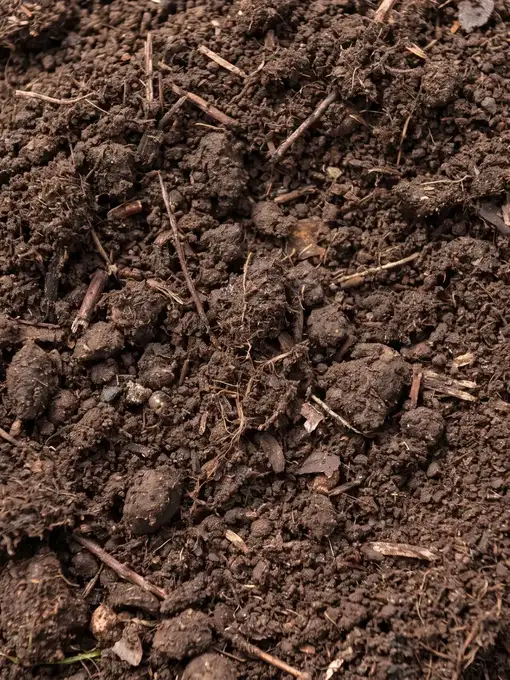
Bulk compost delivered in New Orleans, LA. Dark brown color.
Starting from $575.24 delivered to New Orleans for 2 yards, our minimum order
For compost delivery in New Orleans, LA, the question gardeners and small contractors ask usually comes down to one problem: the ground here is heavy, wet and often short on organic matter. Dark brown compost, sold by the cubic yard and brought to your driveway or job site, is the quickest way to change that without hauling bags from a store.
Compost delivery in New Orleans, LA for city soil
New Orleans sits low, near the river and the lake, and much of its soil is silty clay that holds water and then bakes hard. Add the rain that falls through the warm months and a raised bed or a new lawn can go wrong fast. Finished compost opens up the soil, feeds plants slowly and helps sandy fill hold moisture. We handle delivery in New Orleans, and the price for your address is calculated live.
Orders for other parts of the state are listed on the page for Compost in Louisiana, if you are comparing locations.
Where compost earns its keep around town
- Raised beds and vegetable plots: mix it into the top layer of soil before planting tomatoes, peppers and greens.
- New sod and seeded lawns: work a thin layer into the surface so roots have something to grab.
- Shrub and flower borders: spread it around the base of plants as a feeding mulch.
- Tired clay beds: fold it in to loosen the soil and help water drain instead of pooling.
- Tree rings: a shallow ring, kept off the trunk, feeds the roots and slows evaporation.
Pairing compost with other materials
Compost is rarely the only thing a project needs. For a path or a drainage trench beside a bed, Pea Gravel makes a clean, walkable surface. For filling a low spot or building up a planting area, Premium Screened Topsoil gives you the base, and compost goes into the top few inches. Both of those are sold by the ton, while compost is sold by the cubic yard, so keep the two units apart when you plan quantities.
How much compost you need
Work out the area first. Multiply length by width in feet, then multiply by the depth you want in inches and divide by 324. The result is cubic yards. A garden bed that is 10 feet by 20 feet, topped with 3 inches, comes to roughly 1.9 cubic yards, which rounds up to the 2 cubic yard minimum. If you want to check a different shape or depth, use the calculator and swap in your own measurements.
For vegetable beds, 2 to 3 inches worked into the soil is typical. For a mulch layer on top of existing beds, 1 to 2 inches is plenty. Settling is small with compost, but a little extra never hurts if you are covering a large lawn.
Delivery and what to expect on the day
Compost arrives loose by the cubic yard and is dumped in a pile, so pick a spot on a hard surface or lay a tarp underneath. Keep the pile clear of storm drains, because a New Orleans downpour will carry loose material straight into the street. If your driveway is tight or sits under low branches, mention it when you order so the driver can plan the drop.
Pricing and ordering
We do not quote a flat rate on this page. The delivered price for your ZIP is calculated live in the ordering tool, and larger orders get a lower rate per cubic yard. For New Orleans compost, the smallest order is 2 cubic yards. Enter your ZIP, choose how many cubic yards you want, and the total shows before you commit.
Tips for spreading and storing
Spread compost within a few days when you can. If it has to wait, cover the pile with a tarp so heavy rain does not wash it away or turn the surface to slop. Use a wheelbarrow and a flat rake for even coverage, and water lightly after you finish so the layer settles in.
About Compost
Compost is decomposed organic material, screened to a fine, crumbly texture and dark brown in color. It smells earthy, not sour, and it feeds soil rather than replacing it. In a city with clay-heavy ground and frequent rain, that makes it one of the most useful additions for a garden or lawn.
Use it to build up a raised bed, to top-dress a lawn before overseeding, or to loosen compacted beds around the house. It also works as a feeding mulch around shrubs and young trees. Because it is organic, it breaks down over a season or two, so plan to add a fresh layer each year.
A cubic yard of compost weighs about 1,000 pounds, far lighter than rock or soil, so it is easy to move by wheelbarrow once it is on your property. Across New Orleans, this compost is sold by the cubic yard, and the smallest order is 2 cubic yards.
What Compost costs in New Orleans
In the New Orleans market, compost is sold by the ton and priced at the gate before delivery is added on. Send your ZIP and load size and we will send back a same-hour quote with the truck rate and the per-ton figure spelled out. One ton covers about 216 sq ft at a 3 inch finished depth, so a 400 sq ft driveway pad runs roughly 2 tons.
How crews use Compost in New Orleans
Crews working out of New Orleans tend to call for compost on a few repeat jobs each week. The first is planting bed gravel, typically laid in tight urban lots and infill builds with a base lift compacted before the finish course goes on. With a population around 376,971, New Orleans pulls a mix of single-truck homeowner orders and contractor full-loads through the season.
Delivery day in New Orleans
On the day of the drop, the dispatcher pulls the closest yard, batches your ticket with other New Orleans stops, and sends a window the night before. Tandem-axle dumps need at least 12 ft of clear width and 14 ft overhead to set the bed; tri-axles need 14 ft of clearance on both counts and a level pad to tip safely. Standard lead time on this lane is Mon-Sat, with same-day windows held open for orders that hit the desk before 11 AM and clear payment.
Related materials we deliver in New Orleans


Estimate how much you need
Work out your material
A planning figure, not a guarantee. Order roughly a tenth extra to cover settling and uneven ground.
Browse more
Available in nearby cities
Plan your project
Related guides
 GUIDEHow Much Gravel Do I Need? Quick Sizing GuidePractical, field-tested guide: how much gravel do i need. Pulled from real US installer notes and 2026 supplier price data.Read guide →
 GUIDEWhat Is #57 Stone? Uses, Size, and Cost ExplainedPractical, field-tested guide: what is 57 stone. Pulled from real US installer notes and 2026 supplier price data.Read guide →
 GUIDEHow Deep Should a Gravel Driveway Be? Layer GuidePractical, field-tested guide: how deep should gravel driveway be. Pulled from real US installer notes and 2026 supplier price data.Read guide →
 GUIDEHow Much Does River Rock Cost? By Ton or YardRiver rock cost depends on your ZIP code, order size, and whether you buy by the ton or the cubic yard. Here is how pricing works.Read guide →
Frequently Asked Questions
Can I get compost delivered to my house in New Orleans?
Yes. Compost is brought to your address and dumped loose in a pile, usually in a driveway or at the curb of a job site. Enter your ZIP in the ordering tool and it shows the delivered price for that location before you check out.
What is the smallest compost order?
The smallest New Orleans compost order is 2 cubic yards. That is enough to cover a typical raised bed or a small garden at a few inches deep. If your project is smaller than that, you can still order the minimum and use the extra to top-dress a lawn or feed shrubs and trees around the yard.
How is compost sold?
In New Orleans, compost is sold by the cubic yard, not by the ton. A cubic yard is a pile three feet wide, three feet long and three feet high, and a yard of compost weighs roughly 1,000 pounds. Order in whole cubic yards, starting at 2, and raise or lower the quantity to match the beds you are filling around your New Orleans property.
How do I figure out how many cubic yards I need?
Convert the depth to feet first, so 3 inches becomes 0.25 feet, then multiply length, width and depth and divide by 27. For example, a bed 8 feet by 12 feet at that depth works out to about 0.9 cubic yards. Anything under the 2 cubic yard minimum still orders at 2, and the calculator page can check other shapes.
How deep should I spread compost?
For a vegetable or flower bed, work 2 to 3 inches into the top of the soil. For mulching around established plants, 1 to 2 inches is enough. On a lawn, a thin layer of about half an inch raked in before overseeding helps. Keep compost a few inches away from tree trunks and stems.
Is compost the same as topsoil?
No. Compost is decomposed organic matter that feeds and loosens soil. Topsoil is sold by the ton here, and compost is sold by the cubic yard.
Where should the delivery be placed?
Pick a flat spot with room for the truck to back in, close to where you will spread it, so you are not pushing wheelbarrows far. A gentle slope away from the house is fine, but avoid soft lawn that could rut under the load. Leave a clear path for the truck to pull in and tip the load.
Does the price include delivery?
The price shown in the ordering tool is the delivered price for the ZIP you enter, so delivery is built into the total you see. We do not print a flat rate on this page because it depends on where the material is going. Check the total again if you change the quantity or the address.