
Fill Dirt Delivery to Waukegan, IL Addresses
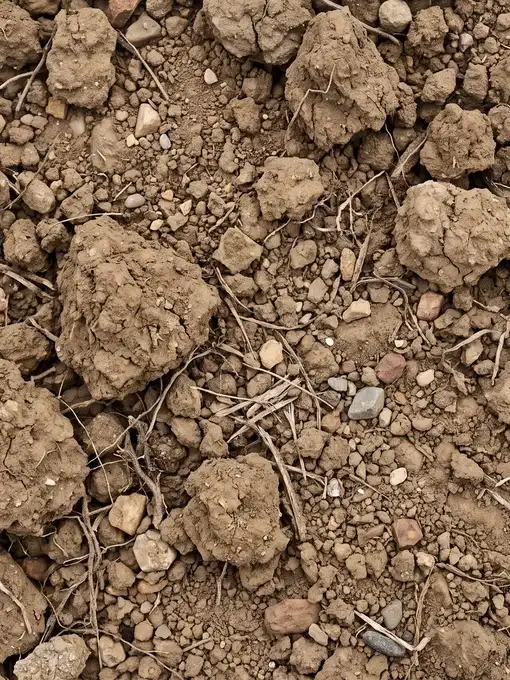
Bulk fill dirt delivered in Waukegan, IL. Brown color.
Starting from $485.56 delivered to Waukegan for 2 tons, our minimum order
Fill dirt delivery in Waukegan, IL means bulk material brought to your address, without renting a dump truck or hauling trailer loads yourself. This page covers where the material fits in local projects, how to estimate the tonnage, how the drop works, and what shapes the price.
Fill dirt delivery in Waukegan, IL: the local picture
Waukegan sits on the Lake Michigan shore north of Chicago, with a population of about 90,000. Yards here often need the same few fixes: a low corner by the driveway, soft ground along a foundation, or a patio that has dropped out of level over the years. Bulk fill is the usual answer for those jobs because it adds height quickly without a lot of hand work, and it lets a crew shape the surface in one pass instead of rebuilding it section by section.
Nearby communities include Kenosha, Wisconsin, about 15 miles away, plus Palatine and Arlington Heights at about 20 miles each, Mount Prospect at about 21 miles, and Des Plaines at about 23 miles.
Best uses for fill dirt in Waukegan
Fill dirt is a dense, general-purpose soil, so it suits jobs where you need volume and a firm base more than a place for plants. Typical projects include backfilling a hole left by a removed stump, raising a shed pad, and building up the base for a garage slab or a paver patio.
Slope is where a load of fill often pays off most. A yard that tilts toward the house holds water against the foundation, and adding material along the low edge can turn the surface back toward the street. Leave the finished grade sloping away from the building so rain moves off the lot.
For planting, Premium Screened Topsoil is sold by the ton and suits beds and lawn repair better than unscreened fill. Mulch is sold by the cubic yard and works as a top layer once the grade is in place. Fill dirt belongs underneath both of these.
How much fill dirt do you need?
Start with the length and width of the area in feet, multiply both by the depth in inches, and divide by 324. That gives cubic yards. A cubic yard of fill dirt weighs about 2,200 pounds and a ton is 2,000 pounds, so multiply the cubic yards by 1.1 to get tons. Add roughly ten percent on top, because loose fill sinks and packs down after it gets wet and is walked on.
If you want a quicker answer, the calculator takes your dimensions and returns a tonnage estimate. Compare its result with your own math before you place the order, since a small error in depth changes the tonnage quite a bit.
Getting fill dirt delivered to your Waukegan address
Delivery goes to the address you give at checkout. Before you order, pick a drop spot that is flat, reachable, and close to where the material will be used, and check the route in. A wide, firm path lets the truck get close, while an overhead line, a low branch, or a soft lawn near the curb can change where the load can go. City-specific details are on the delivery in Waukegan page.
Pricing notes for fill dirt in Waukegan, IL
Fill dirt is priced per ton, and the figure you see is delivered, so the trip to your address is already included. The delivered price for your ZIP is calculated live and appears on the page. In Waukegan, bigger fill dirt orders get a lower rate per ton. For Waukegan deliveries, the smallest order is 2 tons.
How to order fill dirt in Waukegan
On this page, enter the ZIP for the site and set the quantity in tons. Adjust the quantity until it matches your estimate. When the numbers look right, continue to checkout. To see the full range of Illinois listings, browse Fill Dirt in Illinois.
About Fill Dirt
About this material
Fill dirt is a brown, earthen bulk material used to raise a grade, fill a depression, or build a base under hardscape. It is not screened, so expect a mix of fine soil, sand, and the occasional stone, and the blend can shift from one load to the next. That makes it a good match for jobs where volume matters more than texture.
The material is sold by the ton, and that unit applies to every load regardless of the size of the job. Because the blend is unscreened, the stones and clumps in a load can be larger than you would find in a finished topsoil. Expect a few clumps to break up as you spread it, but do not expect the uniform texture a screened product gives you.
What Fill Dirt costs in Waukegan
Local Waukegan yards quote fill dirt by the ton; the delivered number includes fuel, the truck, and the haul. Send your ZIP and load size and we will send back a same-hour quote with the truck rate and the per-ton figure spelled out. A ton of this material spreads across about 98 sq ft when laid 3 inches deep, useful when you are sizing a patio base or a walkway run.
How crews use Fill Dirt in Waukegan
In and around Waukegan, fill dirt shows up most often on two project types. The most common deployment is erosion control, often in tight urban lots and infill builds in two to three inch lifts. Second on the list is driveway gravel, which we see in dense neighborhoods where curb access is short on partial-truck deliveries. At roughly 88,570 people, the Waukegan order mix leans toward 3 to 8 ton residential drops with the occasional 16 ton job for a contractor.
Delivery day in Waukegan
A typical Waukegan drop is dispatched from the closest yard with a two hour window and a heads-up call once the truck is loaded. Tandem trucks want a 12 ft lane in and out; tri-axles need 14 ft, and both want firm ground at the tipping spot so the load releases cleanly. Standard lead time on this lane is Mon-Sat, with same-day windows held open for orders that hit the desk before 11 AM and clear payment.
Related materials we deliver in Waukegan
 Price by ZIP
- SizeScreened, no size grade
- Density2200 lb/yd³
- ColorDark brown
 Price by ZIP
- Density2000 lb/yd³
- ColorDark brown
 Price by ZIP
- Density1000 lb/yd³
- ColorDark brown
Estimate how much you need
Work out your material
A planning figure, not a guarantee. Order roughly a tenth extra to cover settling and uneven ground.
Browse more
Available in nearby cities
Plan your project
Related guides
 GUIDEWhat Size Crushed Stone Goes Under a Concrete SlabMost slabs need 4 to 6 inches of compacted crushed stone underneath. What size crushed stone under a concrete slab needs, and why it matters.Read guide →
 GUIDEWhat Is Crushed Stone? Sizes, Uses and Buying BasicsCrushed stone is quarried rock crushed and screened into angular pieces sold by the ton. Here is what it is, how it is graded, and where to use it.Read guide →
 GUIDEHow Much Does Gravel Cost? A Practical Pricing GuideHow much does gravel cost and why does it vary? See the real factors behind ton pricing, delivery, and order size before you buy.Read guide →GUIDEGravel Size Chart: Pea Gravel to Crushed StoneA gravel size chart showing pea gravel, crushed stone and river rock diameters side by side, so you can match the right size to your project.Read guide →
Frequently Asked Questions
Can fill dirt be used as backfill in a pipe trench?
Trench backfill is set by the project specifications, and the bedding right around a pipe usually calls for a specific clean material instead of general fill. Ask your engineer or the pipe contractor what they require before you order. Fill dirt is sometimes allowed for the upper layers of backfill, but only where the specs say so. Get that requirement in writing so the order matches the job.
Why is fill dirt sold by weight when mulch is sold by volume?
Fill dirt is dense, so a cubic yard of it weighs far more than a cubic yard of mulch. Selling it by the ton means the quantity matches the weight you actually receive. Mulch is light and bulky, so it is sold by the cubic yard, which matches how people spread it. Check the unit on each product page before you enter a quantity.
Can I order fill dirt for a site in Kenosha or Palatine?
A job site in Kenosha or Palatine works the same way as one in Waukegan. Each address gets its own delivered figure, so an order for a rental property, a relative's lot, or a client's site is priced for that location, not for where you live or where the card is billed.
Does fill dirt contain rocks, roots, or debris?
Fill dirt is a general-purpose material, so it can contain stones, clumps, and some organic matter. The mix varies by load. Stones are fine for most grading and base work, but they can get in the way of a sod or seeding job. If a project needs a clean, uniform material, such as one for a fine grade or a sensitive drain, look at a screened product instead.
Is fill dirt the same thing as clay?
Not always. Clay is a soil type made of very fine particles, and it holds water and drains slowly. Fill dirt is a bulk material that can include clay, sand, silt, and gravel depending on the mix in the load. That mix is why fill dirt can drain differently from one load to the next. If your yard has heavy clay, ask about the mix before you plan the grade.
Do I need a permit to change the grade of my yard in Waukegan?
Some grade changes do need approval, especially when the work is near a property line, a stormwater path, or a structure. Contact the City of Waukegan building or zoning office before you start a large project and ask what applies to your address. A permit requirement depends on the work, not on the material you buy, so check the rules before the truck arrives.
When is the best time of year to place fill dirt in northern Illinois?
Spring and fall are usually the easiest seasons for moving and grading soil in northern Illinois. Frozen ground cannot be graded or packed, and very wet soil turns muddy under foot and machinery. Plan the placement for a stretch of dry days when the ground is workable, and avoid grading in heavy rain, which can wash fresh fill around before the surface is shaped.
What should I do with the grass after fill dirt is spread?
Once the fill is in and graded, the lawn usually needs fresh seed or sod over the new surface, since the grass that was there may be buried or smothered. Rake the surface smooth, remove any stones that stand proud, and consider a thin layer of topsoil over the fill before seeding. Water lightly so the new seed or sod can root.