
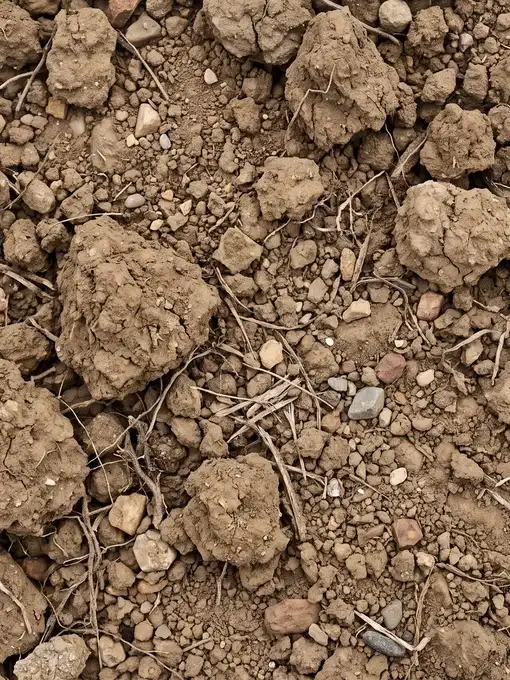
Fill Dirt Delivery in Auburn, AL for Yards and Lots
Bulk fill dirt delivered in Auburn, AL. Brown color.
Starting from $474.79 delivered to Auburn for 2 tons, our minimum order
Fill dirt delivery in Auburn, AL gives yards and lots a way to correct their grade without moving material by hand. Auburn is a university town with established neighborhoods and newer subdivisions, and both tend to need grade work at some point. This page covers how the material gets used around town, how to size an order, and how the delivered price works for your ZIP.
Fill dirt delivery for Auburn, AL yards and lots
Lot grades in Auburn vary more than most people expect. Yards in the established neighborhoods have had decades to sink and shift, while newer subdivisions often start with thin, scraped soil around the house. Commercial and rural properties on the edges of town face the same issues on a larger scale. Columbus, Georgia is about 34 miles away across the state line. Orders elsewhere in the state start from the Fill Dirt in Alabama page.
Common jobs for fill dirt around Auburn
Most fill dirt orders in town fall into a few kinds of work:
- Filling a low spot in a back yard where rain collects after storms
- Raising a grade along a driveway edge or a side yard
- Building up ground before sod, pavers, or a shed pad goes down
Grading is where drainage gets decided. Fill should slope away from foundations and walkways, because a level pad that falls back toward the house will hold water no matter how much material goes in. Once the grade is set, freshly shaped beds often look better with a layer of Mulch on top. If the project also needs a planting layer, Premium Screened Topsoil is the finish material, with fill dirt as the base underneath.
Working out how much fill dirt an Auburn project needs
Measure the area in feet and the depth you want in inches. For an Auburn fill dirt project, multiply length by width by depth in inches, then divide by 324 to get cubic yards. A 30 foot by 12 foot pad filled 4 inches deep works out to about 4.4 cubic yards, which comes to close to 5 tons of material once weight is counted. Loose fill settles as it is spread and packed, so add a little extra depth beyond the finished grade you want.
Irregular shapes are harder to estimate by hand. For a quick check, the calculator runs an area-to-volume estimate from your dimensions, which helps when the footprint is not a simple rectangle.
What the delivered price looks like for your ZIP
Auburn orders are priced per ton, and the delivered figure for your ZIP shows up on the order page for your exact address and quantity. Larger orders get a lower rate per ton, which makes one bigger load a better value than several small ones when the project allows it.
Compare the totals for the tonnage you need instead of the rate for a single ton, since the total is the number that matters for your project.
Placing a fill dirt delivery in Auburn
Pick the drop spot before the truck arrives. The truck needs solid footing, clear air overhead, and space to turn around. Flag the pile location with a stake or cone and keep pets, kids, and parked cars well away. A gravel drive that has softened after rain can stall a loaded truck, so check the route before you order.
Weather matters too. A delivery onto saturated soil can leave ruts that take extra work to smooth out, so if heavy rain is forecast, hold the drop until the ground firms up. Address-level notes for Auburn are on the delivery in Auburn page.
Ordering fill dirt in Auburn, AL
On the order page, type in your Auburn ZIP and choose how many tons you need, and the delivered total appears before checkout. The smallest order is 2 tons, so a small patch still means at least that much material. If your math ends on a fraction, go up to the next whole ton, since spreading a little extra beats placing a second order mid-project.
About Fill Dirt
Fill dirt is a bulk subsoil product used to raise and level ground. It is brown and dense, with little of the organic matter that feeds lawns and planting beds. Its job is to supply the solid body of a grade, so the surface layer can go on top.
Auburn fill dirt is sold by the ton, and a ton is 2,000 pounds. Fill dirt weighs about 2,200 pounds per cubic yard, so a ton is a little under one cubic yard. Quantities are counted in tons, which keeps comparisons straightforward when you weigh a regrade against the cost of hauling in more soil later.
Fill suits jobs such as raising a low spot in a yard, bringing ground up along a fence line, and building a pad before a slab or patio goes down. It holds a firm surface once it is shaped, and grass, pavers, or a planting bed can sit on it without trouble after that. Because it is mostly mineral, it works best underneath a finish rather than as the finish itself.
Fill dirt is not a substitute for screened topsoil in a bed that needs rich growing medium. Think of it as the foundation of the grade and plan the top layer separately.
What Fill Dirt costs in Auburn
Local Auburn yards quote fill dirt by the ton; the delivered number includes fuel, the truck, and the haul. Send your ZIP and load size and we will send back a same-hour quote with the truck rate and the per-ton figure spelled out. A ton of this material spreads across about 98 sq ft when laid 3 inches deep, useful when you are sizing a patio base or a walkway run.
How crews use Fill Dirt in Auburn
In and around Auburn, fill dirt shows up most often on two project types. The most common deployment is erosion control, often in tight urban lots and infill builds in two to three inch lifts. Second on the list is driveway gravel, which we see in dense neighborhoods where curb access is short on partial-truck deliveries. At roughly 83,757 people, the Auburn order mix leans toward 3 to 8 ton residential drops with the occasional 16 ton job for a contractor.
Delivery day in Auburn
A typical Auburn drop is dispatched from the closest yard with a two hour window and a heads-up call once the truck is loaded. Tandem trucks want a 12 ft lane in and out; tri-axles need 14 ft, and both want firm ground at the tipping spot so the load releases cleanly. Standard lead time on this lane is Mon-Sat, with same-day windows held open for orders that hit the desk before 11 AM and clear payment.
Related materials we deliver in Auburn
 Price by ZIP
- SizeScreened, no size grade
- Density2200 lb/yd³
- ColorDark brown
 Price by ZIP
- Density2000 lb/yd³
- ColorDark brown
 Price by ZIP
- Density1000 lb/yd³
- ColorDark brown
Estimate how much you need
Work out your material
A planning figure, not a guarantee. Order roughly a tenth extra to cover settling and uneven ground.
Browse more
Available in nearby cities
Plan your project
Related guides
 GUIDEHow Much Does River Rock Cost? By Ton or YardRiver rock cost depends on your ZIP code, order size, and whether you buy by the ton or the cubic yard. Here is how pricing works.Read guide →
 GUIDEWhat Size Crushed Stone Goes Under a Concrete SlabMost slabs need 4 to 6 inches of compacted crushed stone underneath. What size crushed stone under a concrete slab needs, and why it matters.Read guide →
 GUIDEWhat Is Crushed Stone? Sizes, Uses and Buying BasicsCrushed stone is quarried rock crushed and screened into angular pieces sold by the ton. Here is what it is, how it is graded, and where to use it.Read guide →
 GUIDEHow Much Does Gravel Cost? A Practical Pricing GuideHow much does gravel cost and why does it vary? See the real factors behind ton pricing, delivery, and order size before you buy.Read guide →
Frequently Asked Questions
Can fill dirt raise a sunken patio in Auburn?
It can, but it has to go in thin layers. Spread a few inches at a time, rake it level, and pack each layer before adding the next. A single thick dump keeps sinking as it compresses, which leaves the same dip you started with. Plan extra time for the work, and keep the paver edges clear so the packing does not crack them.
How long does fill dirt take to settle?
It depends on depth, moisture, and how well each layer was packed. Loose fill can drop noticeably in the first few months, especially after heavy rain. Recheck the surface after a full season before you lay sod, set pavers, or pour concrete. Filling a low spot a second time is common and far easier than digging out a weak base.
Can I use fill dirt in a vegetable garden?
Fill dirt is usually too lean for vegetables on its own. Most gardeners use it as a base and plant in a bed filled with better soil or a compost into the top several inches and let the bed rest before planting. Test the soil before you commit a large bed to it.
Is fill dirt a good fit for a small backyard fire pit?
Usually not. A fire pit needs only a few square feet of level base, and a bulk load would leave you with far more material than you need. Bagged soil or a small amount of gravel from a store is easier to handle for a project that size. Save bulk fill for yard-scale grading, where the volume justifies a truck.
Will fill dirt contain rocks or debris?
It can. Bulk fill varies from load to load, and some lots carry small stones, roots, or bits of old material. Check a few handfuls as the material goes down, especially near a foundation, a utility line, or a new slab. Remove anything that could puncture a liner or keep a paver from sitting flat.
Is it safe to pile fill dirt around the base of a tree?
Usually not. Raising the soil level over a tree's roots can smother them and invite rot at the trunk, and the damage often shows up a year or two later. Keep fill back from the trunk, and ask a local arborist before changing the grade under a mature tree. Thin layers near the edge of the canopy cause less harm than a deep mound.
Is fill dirt the same as crushed stone?
No. Fill dirt is soil. It is dense, packs down, and holds water longer than stone does. Crushed stone is angular rock that drains quickly and locks together when compacted, which makes it a better base for driveways and walkways where water has to pass through. Fill suits raising ground, and stone suits a load-bearing base.
Do I need a permit to add fill dirt in Auburn?
Permit rules depend on the size of the project, how much the grade changes, and whether the work affects water flow or a neighboring property. Local government sets those rules, not this order page. Call the city permitting office before you grade a large area, change how water moves across a lot line, or build up ground close to a structure.