
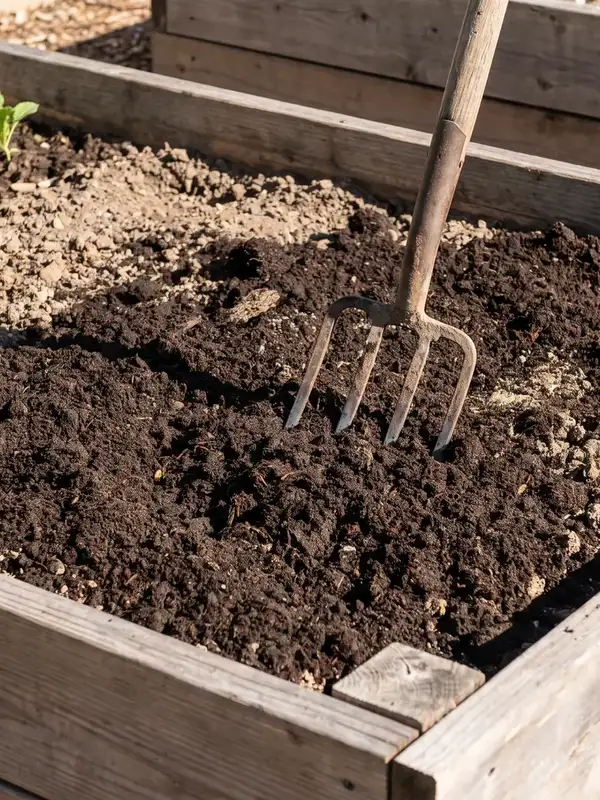
Compost Delivery in Syracuse, NY
Bulk compost delivered in Syracuse, NY. Dark brown color.
Starting from $594.15 delivered to Syracuse for 2 yards, our minimum order
Heavy snow and a long thaw season put real wear on Syracuse yards, and by April many lawns and beds are tired. Compost delivery in Syracuse, NY lets you refresh them without hauling bags, since MyGravelBuddy sells compost by the cubic yard and drops it at your address.
Compost delivery in Syracuse, NY: how pricing works
Enter your ZIP on the page and the delivered price for that address is calculated live. The smallest order is 2 cubic yards, and the per-yard rate falls as the order grows, so one larger purchase usually beats several small ones. Truck access and the unloading spot are covered on our delivery in Syracuse page.
What a city of about 144,000 does with compost
Syracuse has older neighborhoods with small, well-used lots and newer suburban edges with big lawns. Both groups tend to garden in soil that has been scraped, compacted or built up over decades. Compost is the easy fix for that: it opens up tight ground and gives thin ground something to hold onto.
- Vegetable gardens: fork it into each bed before planting season.
- Flower beds: spread a layer on top and leave it for rain to work in.
- Bare lawn patches: rake a thin layer under the seed.
- New shrubs and trees: blend with the soil dug from the hole.
Sizing your order
Start with a rough measurement of each bed. Length in feet times width in feet times the depth you want in inches, divided by 324, gives you cubic yards. As a rule of thumb, a thin topdressing needs far less material than filling a new raised bed, so measure each job separately and add them up. If you want the numbers done for you, use the calculator.
Plan on ordering slightly over your total. Extra compost is never wasted, because it can go on the next bed or wait for a fall topdressing.
Pairing compost with other materials
A finished garden usually uses more than one product. A layer of Mulch over fresh compost holds moisture and blocks weeds through summer. Where you need a firm, draining surface, such as a path edge or a downspout run, Crushed Stone does that work while compost stays in the planting area. Premium Screened Topsoil is also offered in Syracuse for filling low ground before you amend it.
Working it in after a Central New York winter
Late snow melts slowly here, and the ground can stay saturated well into spring. Wait until you can squeeze a handful of soil and have it break apart, then spread. Working wet clay damages its structure for the whole season. Fall is the other good window, when a thick layer applied after the last harvest settles in over the cold months.
Placing the delivery
The load arrives as one pile, so decide where it should sit before the truck comes. A driveway edge or a tarp near the garden works well. Stay off soft lawn if the ground is still wet, and keep the pile away from gutters and drains. Overhead lines and low limbs along the route are worth a quick look.
Common Syracuse projects
Landlords and homeowners with rental duplexes often bring tired front strips back with a single load. Contractors finishing a new addition use compost to put life back into the soil that heavy equipment compacted during construction. Community and school garden groups can order it for raised plots every spring. Each of these jobs follows the same pattern: measure, order in cubic yards, and spread within a few days of delivery.
Signs your soil is asking for it
Water that puddles on the surface, soil that cracks into hard plates in July, grass that thins out under trees, and vegetables that never seem to size up all point to ground short on organic matter. A shovel test helps. If the top few inches are pale, stiff or dusty rather than dark and crumbly, a generous layer of compost will make a visible difference within one season.
How ordering works
From the product page, the only inputs are your quantity in cubic yards and the delivery address. Statewide product details are collected under Compost in New York for anyone comparing options.
About Compost
This is finished compost: organic material that has fully decomposed into a dark, loose, sweet-smelling soil amendment. Nothing in it should look like recognizable food scraps or chunks of bark.
Its job is to improve ground, not to replace it. Mixed into heavy or thin soil, compost helps the dirt crumble, hold water through dry spells and release nutrients slowly. At about 1,000 lb per cubic yard it is a light material, so a pile moves quickly with a shovel and a wheelbarrow.
Spread it over vegetable plots, work it into planting beds, top-dress a thin lawn or use it around new trees. It is not a base layer for patios, walkways or driveways, where compacted stone belongs.
What Compost costs in Syracuse
Around Syracuse, compost is quoted by the ton with delivery layered in based on distance from the closest yard. Send your ZIP and load size and we will send back a same-hour quote with the truck rate and the per-ton figure spelled out. Plan on roughly 216 sq ft of coverage per ton at 3 inches deep, which puts a single-car driveway in the 3 to 5 ton bracket.
How crews use Compost in Syracuse
Syracuse contractors keep compost on the order sheet for a short list of standard installs. Top of the list is planting bed gravel, where the material is rolled out in tight urban lots and infill builds and screeded to grade. Syracuse sits at about 144,000 residents, which means we see steady weekday traffic from landscape crews and weekend pickups from owner-builders.
Delivery day in Syracuse
Delivery in Syracuse runs out of the nearest pit; you get a two hour arrival window the evening prior and a call when the driver leaves the scale. Plan for 12 ft of clear path for a tandem and 14 ft for a tri-axle, plus a level area at the dump point so the bed lifts straight. Standard lead time on this lane is Mon-Sat, with same-day windows held open for orders that hit the desk before 11 AM and clear payment.
Related materials we deliver in Syracuse



Estimate how much you need
Work out your material
A planning figure, not a guarantee. Order roughly a tenth extra to cover settling and uneven ground.
Browse more
Available in nearby cities
Plan your project
Related guides
 GUIDEWhat Are Screenings? A Guide to Crushed Stone FinesScreenings are fine crushed stone used for paver bases, joint fill and walkways. See what screenings are, common types, and mistakes to avoid.Read guide →
 GUIDEWhat to Put Under River Rock for Landscaping BedsHere is what to put under river rock landscaping: a compacted base where needed, then landscape fabric, then rock, to stop weeds and settling.Read guide →GUIDEHow to Clean River Rock and Restore Its ColorLearn how to clean river rock landscaping with rinsing, soap and vinegar methods, plus common mistakes to avoid for a brighter, longer lasting rock bed.Read guide →
 GUIDEHow to Lay a Gravel Driveway: Step-by-Step GuidePractical, field-tested guide: how to lay gravel driveway. Pulled from real US installer notes and 2026 supplier price data.Read guide →
Frequently Asked Questions
How is compost different from mulch?
Compost is fully decomposed and meant to be mixed into soil, where it feeds plants and improves structure. Mulch is a coarser surface layer that shades the ground, holds moisture and suppresses weeds. Gardeners often use both.
Is it safe to put compost around vegetables I will eat?
Yes. Finished compost is a standard amendment for edible gardens. Dig it into the planting bed and keep the soil level even around each stem, and give the bed a few days to settle before transplanting. Wash produce as you normally would, especially leafy greens grown close to the soil surface.
Can compost replace topsoil entirely?
Usually not. Compost is rich and light, and a bed made of nothing but compost can dry out fast or sink as it keeps breaking down. A blend of compost and mineral soil gives a more stable growing medium. Use compost as the amendment, and topsoil as the bulk fill.
How deep should I spread it on a lawn?
For an existing lawn, a layer about a quarter to a half inch is plenty, raked in so grass blades stay visible. Deeper layers can smother the turf. For a bare area you plan to reseed, mix compost into the top few inches of soil and level before sowing.
Will the pile smell?
Good compost smells earthy, like damp woods. A sour or ammonia odor means the material is unfinished or has gone airless, which is unusual in a properly screened product. If a pile ever smells off, spread it thinly so air reaches it, and the odor fades quickly as it dries.
What is the best way to store leftover compost?
Cover it with a tarp and weigh down the edges, ideally on a hard surface or a few boards so grass does not grow up through it. A covered pile stays usable for months. Uncovered, it can grow weeds and lose its crumbly texture after heavy rain.
Does compost help with drainage?
It helps, especially in clay. Over time organic matter creates small channels and clumps that let water move through, and it also holds some moisture in sandy ground. It will not fix a standing-water problem alone. Low areas that stay flooded may need regrading or a stone drainage layer.
How soon can I plant after spreading compost?
Right away for most plants. Finished compost is ready for roots, so transplants and seedlings can go in the same day once it is worked into the top few inches. Direct-sown seed does best if the bed is raked smooth first. Very thick layers can settle unevenly, so a thinner pass worked into the soil gives steadier results than a deep blanket.