
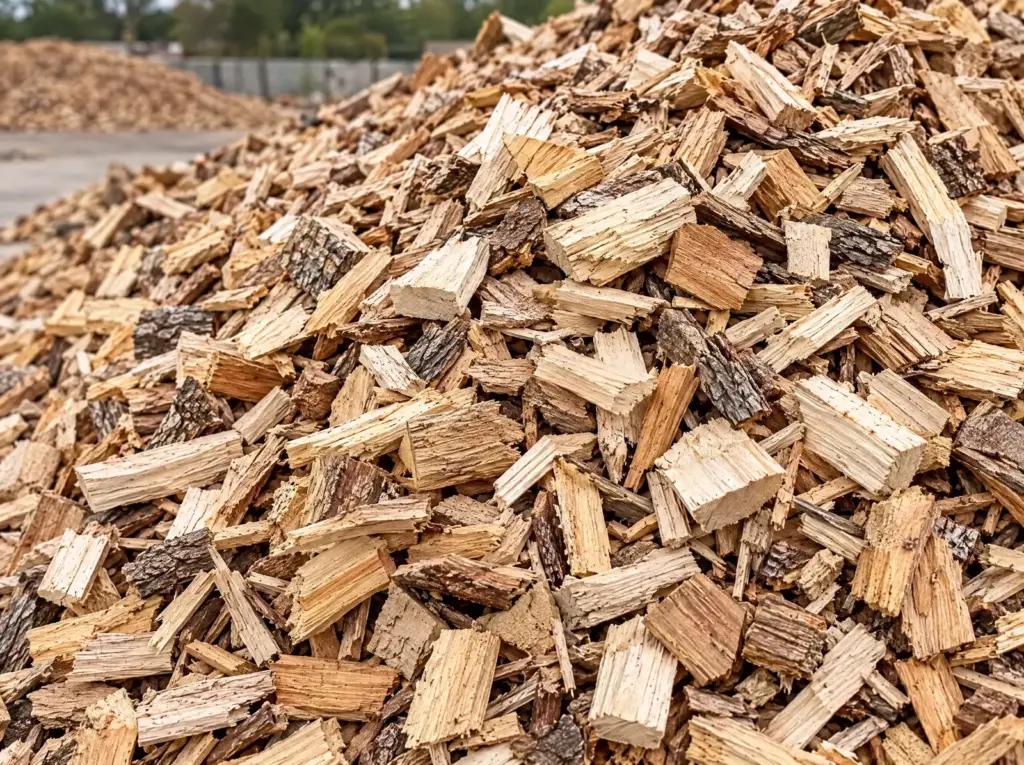
Mulch Delivery in North Charleston, SC
Bulk mulch delivered in North Charleston, SC. Brown, black, red color.
Starting from $588.72 delivered to North Charleston for 2 yards, our minimum order
North Charleston has more than 100,000 residents, a lot of older single-family blocks, and plenty of commercial lots with landscaping that needs steady upkeep. For all of it, mulch comes by the cubic yard and gets dumped at the address you choose, whether that is a bungalow with a small front bed or a retail strip with a long planting border.
Ordering mulch delivery in North Charleston, SC
Pick brown, black or red, enter your ZIP, and the page shows the delivered price for that address. Charleston is about 6 miles from North Charleston, Mount Pleasant about 8 and Summerville about 19, but the price you see is tied to your own ZIP, not to a city average.
North Charleston mulch orders start at 2 cubic yards. Larger orders get a lower rate per cubic yard, and changing the quantity updates the price on the page, so property managers covering several sites often put the whole job on one ticket.
Uses that fit North Charleston
- Older yards with bare patches. Mulch covers thin spots under mature trees where grass has given up.
- Parking-lot islands and storefront beds. A fresh dark layer makes tired landscaping look kept without replanting.
- Rental properties. Landlords refresh beds between tenants for a fast curb-appeal lift at low effort.
- Drainage-prone corners. A thick layer slows runoff and keeps soil from washing onto walks after Lowcountry downpours.
Red mulch tends to suit brick homes, and black works for commercial properties that want a sharp, uniform look.
How much to buy
Use this rule: length in feet times width in feet times depth in inches, all divided by 324, gives cubic yards. A 60 by 6 foot storefront strip at 3 inches needs a little over 3 cubic yards, so a 3.5 or 4 yard order covers it with margin. Long, narrow beds are easy to underestimate, so measure rather than guess.
If you would rather not do the sums, the mulch calculator converts your measurements into the ordering unit. For scale, a cubic yard of mulch is about 800 pounds, far lighter than the same volume of stone.
Prepping the site
Walk the property before the load arrives. Mark irrigation heads with stakes so they do not get buried, trim low branches, and clear dead plants out of parking islands and storefront beds. Cut a clean spade edge where mulch meets turf or pavement so the new layer stays put. Islands and narrow strips are wheelbarrow work from the drop spot, so plan the route first.
Finish one island or bed before starting the next, so a half-done lot never sits open. Tuck mulch around shrubs by hand and keep it off the curb. Sweep stray pieces off walks and pavement when you finish, because loose mulch left on a hard surface tends to wash into drains during the next storm.
On older residential blocks the job is smaller but the steps are the same. Clear the bed, edge it, and spread an even layer so the finished bed looks deliberate rather than patched. Bare patches under mature trees take less material than a full border.
Delivery and drop-off
Mulch arrives loose in a pile. Tell the driver where it goes, and keep the path clear of parked cars, low limbs and wires. On commercial sites, a corner of the lot or a loading area away from customer parking works well. Homeowners can set a tarp on the driveway to keep the pile tidy.
The page for delivery in North Charleston has the practical details on access and placement.
Stone and soil for edging and drainage
Beds often need more than mulch. Pea Gravel works for paths and drip lines, River Rock suits drainage swales and decorative borders, and topsoil in North Charleston fills low spots before you plant. Each is sold by the ton and ordered separately from the mulch.
For the statewide view, see Mulch in South Carolina.
About Mulch
Mulch is shredded wood spread across soil to keep moisture in, slow weed growth and give beds a uniform finish. It is sold by the cubic yard, and you can choose brown, black or red depending on the look you want.
The material is light, at about 800 pounds a cubic yard, and it spreads easily with a rake. Lay it two to four inches thick, leave a gap around trunks and stems, and refresh it when the color fades or the layer thins. As it decomposes, mulch adds organic matter to the soil below, which helps plants over time. Dark shades hide dirt and show off foliage, brown blends into natural settings, and red brings a brighter accent beside brick or green shrubs.
What Mulch costs in North Charleston
Around North Charleston, mulch is quoted by the ton with delivery layered in based on distance from the closest yard. Send your ZIP and load size and we will send back a same-hour quote with the truck rate and the per-ton figure spelled out. Plan on roughly 270 sq ft of coverage per ton at 3 inches deep, which puts a single-car driveway in the 3 to 5 ton bracket.
How crews use Mulch in North Charleston
North Charleston contractors keep mulch on the order sheet for a short list of standard installs. North Charleston sits at about 114,852 residents, which means we see steady weekday traffic from landscape crews and weekend pickups from owner-builders.
Delivery day in North Charleston
Delivery in North Charleston runs out of the nearest pit; you get a two hour arrival window the evening prior and a call when the driver leaves the scale. Plan for 12 ft of clear path for a tandem and 14 ft for a tri-axle, plus a level area at the dump point so the bed lifts straight. Standard lead time on this lane is Mon-Sat, with same-day windows held open for orders that hit the desk before 11 AM and clear payment.
Related materials we deliver in North Charleston

Estimate how much you need
Work out your material
A planning figure, not a guarantee. Order roughly a tenth extra to cover settling and uneven ground.
Browse more
Available in nearby cities
Plan your project
Related guides
 GUIDEWhat Are Screenings? A Guide to Crushed Stone FinesScreenings are fine crushed stone used for paver bases, joint fill and walkways. See what screenings are, common types, and mistakes to avoid.Read guide →
 GUIDEWhat to Put Under River Rock for Landscaping BedsHere is what to put under river rock landscaping: a compacted base where needed, then landscape fabric, then rock, to stop weeds and settling.Read guide →GUIDEHow to Clean River Rock and Restore Its ColorLearn how to clean river rock landscaping with rinsing, soap and vinegar methods, plus common mistakes to avoid for a brighter, longer lasting rock bed.Read guide →
 GUIDEHow to Lay a Gravel Driveway: Step-by-Step GuidePractical, field-tested guide: how to lay gravel driveway. Pulled from real US installer notes and 2026 supplier price data.Read guide →
Frequently Asked Questions
How fast does mulch fade in Lowcountry heat and humidity?
Strong sun and damp air break mulch down faster than in drier climates. Expect the color to fade and the layer to thin over a season or two. A light top-up refreshes the look without removing what is there, and the older material keeps feeding the soil as it decomposes underneath.
How close can mulch go to siding and foundations?
Keep a gap of a few inches between mulch and siding, vents, wood trim and foundation walls. Piling it against the house holds moisture on the wall and gives termites and other pests a sheltered path. A narrow strip of bare soil or stone along the wall solves it.
When is the best time of year to mulch in North Charleston?
Early spring is popular, since a fresh layer is down before weeds take off and before the summer heat. A second top-up in fall covers thin spots left after storms. Mulch can go down in any season when the ground is workable, so plan around your own schedule.
How do I figure out the right depth?
Two to four inches covers most beds. Count what is already there: a thin layer of old mulch only needs a top-up, while bare or weedy ground needs a full layer. Going past four inches can hold too much moisture, so pull mulch back from trunks and stems.
What is the difference between mulch and topsoil?
Mulch sits on top of the bed to hold moisture and block weeds, and it is sold by the cubic yard. Topsoil is the planting layer beneath, sold by the ton. For a new planting, bring in soil first, then set the plants and spread mulch around them.
Can a business order mulch for a commercial lot?
Yes. Property managers and landscapers can order the same way as homeowners. For a lot with several islands or more than one site, split the work into phases, finishing one area before the next so crews are never working around a half-spread pile. Ordering for each phase separately also keeps pile sizes manageable.
What should I do about weeds before spreading mulch?
Pull established weeds by the root before the load arrives, because mulch smothers small seedlings but will not stop a grown weed. Water the bed lightly first so the soil is damp, then spread an even layer at the thicker end of the recommended range on weedy ground. Pull anything that pokes through.
How do I stop mulch washing out during heavy rain?
Keep the layer near three inches, rake it level, and use an edge such as steel, stone or a trenched border to hold it in. On slopes, avoid piling it thick at the low end. After a big storm, rake washed material back into place.