
Garden Soil Delivery in Toledo, OH by the Ton
Bulk garden soil delivered in Toledo, OH. Dark brown color.
Starting from $508.92 delivered to Toledo for 2 tons, our minimum order
Ordering garden soil delivery in Toledo, OH
If you are filling beds across Toledo, the simplest route is to order garden soil delivery in Toledo, OH by the ton and skip the trips with a loaded trunk. The city is big enough, with a population around 270,000, that yards range from smaller city lots to wide suburban backyards, and a single truckload suits either one. Enter your ZIP on the product page and the delivered price shows up before you check out.
What people build with it
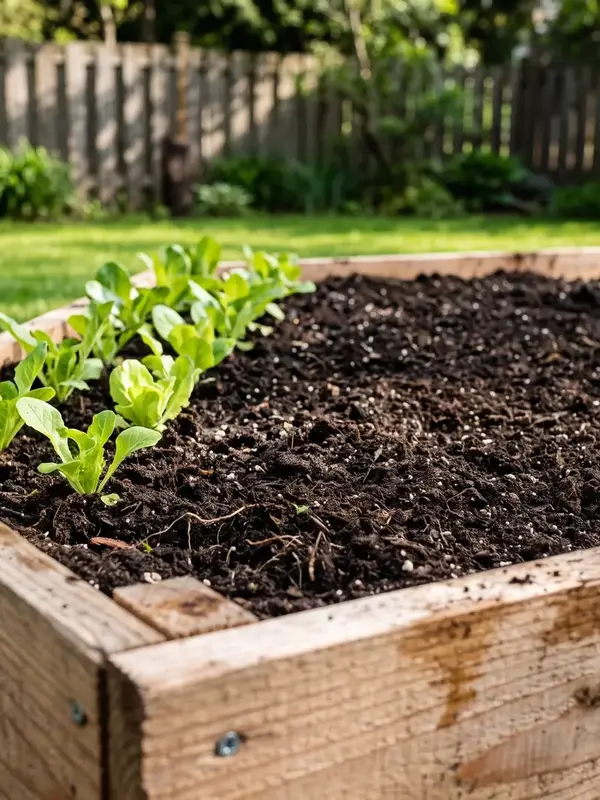
Raised vegetable beds come first. A pair of 4 by 8 foot frames, each filled 12 inches deep, takes a little under 2.5 cubic yards between them, which gives you a sense of how fast the quantity adds up. Flower beds around porches and along fences are the next most common, followed by tree rings and small herb plots by the kitchen door.
It also helps with tired ground. Where a lawn has thinned out under shade or a bed has sunk after years of watering, a few inches of fresh mix worked into the top layer gives roots something to hold. For grading a whole yard or prepping a sod area, look at Premium Screened Topsoil, which suits bulk filling better and saves garden soil for the planted areas.
Sizing the order
Work out cubic yards first: length in feet times width in feet times depth in inches, divided by 324. Then think in tons, because that is how this material is sold here. The smallest order is 2 tons, so it suits a garden of real size and not a single pot. If your numbers land between two quantities, round up, since larger orders get a lower rate per ton.
The calculator handles the arithmetic if you would rather type in dimensions.
Where the truck can drop it
Look at the approach before you order. The truck needs a clear, firm surface and open sky above the spot, so skip the area under power lines and low limbs. A driveway edge works for most homes. If the garden sits in the back, plan for wheelbarrow runs, and set a few boards down for the wheel path if the lawn is soft.
Details for the city are on the delivery in Toledo page, which lists how ordering to the area is handled.
Timing the work around Toledo weather
Lake-influenced weather can swing from dry spells to soaking rain within a week, and soil responds to both. Dig and spread when the ground is damp but not saturated, because working wet soil squeezes out the air that plants need. Frost leaves the beds slowly in spring, so wait until a shovel goes in easily before you plan the delivery day.
Fall is a quieter season for the same job. Filling beds in October lets the soil settle over winter, and spring planting then starts on a ready surface. Either season works.
Working the soil in once it lands
Spread the pile in layers of three or four inches instead of dumping the whole depth at once. Keep your boots off the finished surface: every step squeezes the air out of loose soil, so lay a couple of boards as stepping planks or plan the bed narrow enough to reach from the edge. Rake the top level, break up any large clumps with the back of the rake, and the bed is ready for transplants or seed. Doing the far corners first means you never have to walk across ground you have already finished.
Pairing it with other materials
Garden beds usually need an edge or a path. Pea Gravel is a common choice between raised beds, because it drains and stays comfortable underfoot. For a broader look at what is sold in the state, see Garden Soil in Ohio, where the Toledo page sits alongside the other cities.
About Garden Soil
This is a dark brown growing mix sold by the ton, made for beds and borders rather than for hardscape. It is the kind of material you rake into a vegetable plot, fork into a perennial border or fill a raised frame with before the first seeds go in.
A good load looks rich and uneven, with fine crumbs and small bits of organic matter instead of a uniform gray powder. Color alone does not prove quality, so check how it handles: it should be loose enough to dig with a trowel and still hold moisture after a watering.
Plan on spreading it soon after it lands, since an open pile attracts weeds and loses its loose texture in heavy rain. Toledo garden soil pricing is worked out live for your ZIP on the page, and a bigger order brings the rate per ton down.
What Garden Soil costs in Toledo
In the Toledo market, garden soil is sold by the ton and priced at the gate before delivery is added on. Send your ZIP and load size and we will send back a same-hour quote with the truck rate and the per-ton figure spelled out. One ton covers about 108 sq ft at a 3 inch finished depth, so a 400 sq ft driveway pad runs roughly 4 tons.
How crews use Garden Soil in Toledo
Crews working out of Toledo tend to call for garden soil on a few repeat jobs each week. With a population around 270,871, Toledo pulls a mix of single-truck homeowner orders and contractor full-loads through the season.
Delivery day in Toledo
On the day of the drop, the dispatcher pulls the closest yard, batches your ticket with other Toledo stops, and sends a window the night before. Tandem-axle dumps need at least 12 ft of clear width and 14 ft overhead to set the bed; tri-axles need 14 ft of clearance on both counts and a level pad to tip safely. Standard lead time on this lane is Mon-Sat, with same-day windows held open for orders that hit the desk before 11 AM and clear payment.
Related materials we deliver in Toledo



Estimate how much you need
Work out your material
A planning figure, not a guarantee. Order roughly a tenth extra to cover settling and uneven ground.
Browse more
Common uses for Garden Soil in Toledo
Available in nearby cities
Plan your project
Related guides
 GUIDEWhat Is Crushed Stone? Sizes, Uses and Buying BasicsCrushed stone is quarried rock crushed and screened into angular pieces sold by the ton. Here is what it is, how it is graded, and where to use it.Read guide →
 GUIDEHow Much Does Gravel Cost? A Practical Pricing GuideHow much does gravel cost and why does it vary? See the real factors behind ton pricing, delivery, and order size before you buy.Read guide →GUIDEGravel Size Chart: Pea Gravel to Crushed StoneA gravel size chart showing pea gravel, crushed stone and river rock diameters side by side, so you can match the right size to your project.Read guide →
 GUIDEThe Different Types of Gravel and How to ChooseA plain-language guide to the main types of gravel, covering pea gravel, crushed stone, river rock and decomposed granite.Read guide →
Frequently Asked Questions
How deep should a raised bed be filled?
Most vegetables are happy with 8 to 12 inches, while root crops like carrots and parsnips prefer the deeper end. Shallow herbs and lettuce get by with 6 inches. If the bed sits on bare ground, loosen the base with a fork so roots can reach through to the native soil below.
Will the soil sink after I spread it?
Yes, a little. Fresh soil is full of air, and watering and rain pack it down over the first few weeks. Fill the frame to the top and expect it to drop an inch or two. Topping it off at the end of the first month keeps the surface level with the frame.
Can garden soil go around trees and shrubs?
Use it for planting holes and thin top dressing, but keep it off the trunk. Piling soil against bark invites rot. For an established tree, a layer of an inch or two out to the drip line is enough. Mulch over it instead of burying the root flare.
Can I mix garden soil with the clay already in my yard?
Yes, and it usually works better than replacing the clay outright. Spread a few inches over the bed and fork it into the top 6 to 8 inches so the layers blend. A sharp boundary between rich soil and heavy clay can hold water like a bowl, so mixing keeps roots and moisture moving across the line.
What is the difference between a ton and a cubic yard here?
Orders for this material are placed in tons, a unit of weight equal to 2,000 pounds. A cubic yard is a measure of volume. Soil density varies, so the two do not convert exactly. Use the dimensions formula for volume, then enter tons on the order page and adjust.
How do I tell if my ground drains well?
Dig a hole about a foot deep, fill it with water and let it drain, then fill it again. If the second fill is still standing after several hours, the spot is slow. Raising the bed with imported soil, rather than digging down, is the usual fix.
How do I keep weeds off a fresh bed?
Fresh soil can carry dormant weed seeds that sprout after the first few waterings. Pull seedlings by hand while the roots are still shallow, ideally once a week for the first month. A thin layer of straw or shredded leaves between rows blocks light and slows new growth without smothering the plants you want.
What happens to leftover soil?
Leftovers keep well if you store them correctly. Cover the pile or bag it in contractor sacks to stop weeds from sprouting. Use extra in the fall to top up beds, fill a sunken lawn spot or mound around the base of a newly planted shrub for winter protection.