
Premium Screened Topsoil Delivery in St. Cloud, FL
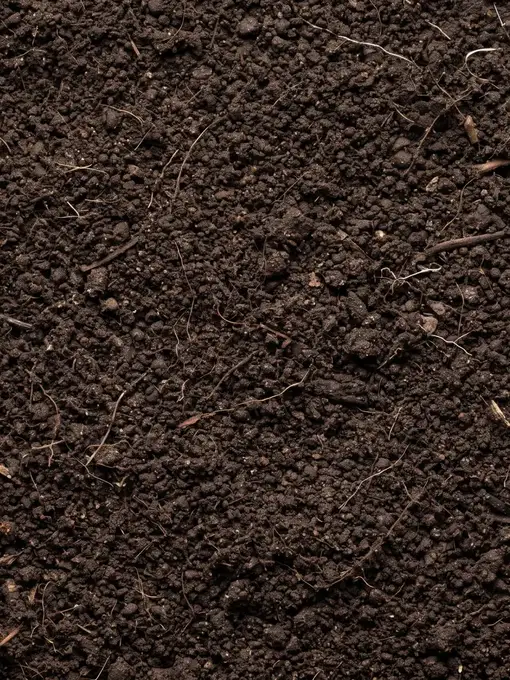
Bulk premium screened topsoil delivered in St. Cloud, FL. Stone size screened. Dark brown color.
Starting from $506.83 delivered to St. Cloud for 2 tons, our minimum order
Kissimmee is only 8 miles up the road, but St. Cloud has its own pace: big lots, growing neighborhoods near East Lake Tohopekaliga and plenty of yards that need soil. If you are searching for topsoil delivery in St. Cloud, FL, this page covers the dark screened soil we sell by the ton and how to order the right amount. For the statewide range, see Premium Screened Topsoil in Florida.
Sizing the order for a St. Cloud project
Take an example. A garden bed 4 feet by 8 feet, filled 12 inches deep, holds about 1.2 cubic yards, or a bit over 1 ton. That is below the 2 ton minimum, so a bed like this makes sense paired with a lawn patch or a second bed. A 30 by 30 foot yard re-leveled at 2 inches deep takes closer to 5.5 cubic yards, around 6 tons.
Not sure of your numbers? The topsoil calculator turns length, width and depth into tons for you. Add about a tenth on top for settling, because new soil compresses as it takes water.
What St. Cloud homeowners use it for
With about 71,000 people and plenty of new construction, the work here leans toward fresh landscaping. Builder lots often come with a thin skin of soil over fill, and a few inches of real topsoil makes a visible difference in how a lawn establishes.
- Laying a seedbed before grass goes in.
- Filling around pool decks and patios after settling.
- Planting beds for hedges and fruit trees.
- Repairing washouts after heavy summer rain.
Once the soil is placed, Mulch in the beds protects it, and it is sold in cubic yards. For walkways or drainage trenches nearby, Pea Gravel is also priced per ton.
Topsoil delivery to your St. Cloud address
Enter your ZIP and the product page works out the delivered price for that spot. Larger orders earn a lower rate per ton. The city overview at delivery in St. Cloud covers the basics of how loads reach local addresses.
Orlando is about 22 miles away and Winter Garden about 23, so contractors who cover several cities can price each address separately. Ocoee, about 28 miles out, and Winter Haven, about 30 miles out, work the same way.
Breaking a big yard into zones
Larger St. Cloud lots rarely need the same depth everywhere. Walk the property with stakes and string, and mark the beds, the lawn and any low corners as separate zones. Measure each zone on its own, write down the depth you want there, and add the totals at the end. A bed that needs a foot of soil and a lawn that needs two inches are very different jobs, and averaging them gives you a number that fits neither one.
Leave out anything that already has good ground, such as a healthy strip of turf along the street. Spreading soil only where it is needed keeps the order smaller and the work lighter.
Handling the load
Soil comes off the truck in one heap. Pick a dry, flat area of the driveway or lawn edge, and keep it clear of mailboxes, sprinkler heads and cars. Heavy plastic or plywood under the pile protects pavement and keeps the bottom layer clean. When rain looms, drape a tarp over the heap; wet soil weighs more and clings to shovels.
Spread in the order you plant. Beds first, since they take the deepest soil, then the lawn. A good steel rake and a wheelbarrow cover most of it.
Grade, drainage and the Central Florida calendar
Much of the land around St. Cloud is flat and close to lakes and canals, so water has few places to go. Before you spread, look at where rain runs today. Shape the new surface to fall gently away from the house, and keep it a couple of inches below slab and siding so soil never touches wood. Where yards are tight, a shallow swale at the property edge carries water to the street.
The wet season from about June through September is the hardest time to leave bare soil exposed. Do the heavy spreading in the drier months if you can, and when you cannot, cover bare patches with sod or straw soon after you level them. Cool-season seeding gives grass a calm start.
About Premium Screened Topsoil
Premium Screened Topsoil is a dark brown, finely screened soil sold by the ton. The screen takes out stones, sticks and hard lumps, leaving a crumbly material that spreads and levels with ordinary hand tools.
It is built for growing. Use it under new sod, in garden beds, around young trees or to bring a sunken corner of the yard back to grade. Mixed into poor native ground, it adds the body that lawns and plants need to root well and hold moisture.
One cubic yard weighs about 2,200 pounds, so a yard is slightly more than a ton. The load comes loose and unbagged, which keeps the cost per ton low for jobs of any size. Spread it while it is damp but not muddy for the easiest work.
What Premium Screened Topsoil costs in St. Cloud
Around St. Cloud, premium screened topsoil is quoted by the ton with delivery layered in based on distance from the closest yard. Send your ZIP and load size and we will send back a same-hour quote with the truck rate and the per-ton figure spelled out. Plan on roughly 98 sq ft of coverage per ton at 3 inches deep, which puts a single-car driveway in the 4 to 7 ton bracket.
How crews use Premium Screened Topsoil in St. Cloud
St. Cloud contractors keep premium screened topsoil on the order sheet for a short list of standard installs. Top of the list is planting bed gravel, where the material is rolled out in tight urban lots and infill builds and screeded to grade. Right behind that is erosion control, common in dense neighborhoods where curb access is short and often paired with edging or fabric below the lift. St. Cloud sits at about 71,036 residents, which means we see steady weekday traffic from landscape crews and weekend pickups from owner-builders.
Delivery day in St. Cloud
Delivery in St. Cloud runs out of the nearest pit; you get a two hour arrival window the evening prior and a call when the driver leaves the scale. Plan for 12 ft of clear path for a tandem and 14 ft for a tri-axle, plus a level area at the dump point so the bed lifts straight. Standard lead time on this lane is Mon-Sat, with same-day windows held open for orders that hit the desk before 11 AM and clear payment.
Related materials we deliver in St. Cloud



Estimate how much you need
Work out your material
A planning figure, not a guarantee. Order roughly a tenth extra to cover settling and uneven ground.
Browse more
Available in nearby cities
Plan your project
Related guides
 GUIDEWhat Are Screenings? A Guide to Crushed Stone FinesScreenings are fine crushed stone used for paver bases, joint fill and walkways. See what screenings are, common types, and mistakes to avoid.Read guide →
 GUIDEWhat to Put Under River Rock for Landscaping BedsHere is what to put under river rock landscaping: a compacted base where needed, then landscape fabric, then rock, to stop weeds and settling.Read guide →GUIDEHow to Clean River Rock and Restore Its ColorLearn how to clean river rock landscaping with rinsing, soap and vinegar methods, plus common mistakes to avoid for a brighter, longer lasting rock bed.Read guide →
 GUIDEHow to Lay a Gravel Driveway: Step-by-Step GuidePractical, field-tested guide: how to lay gravel driveway. Pulled from real US installer notes and 2026 supplier price data.Read guide →
Frequently Asked Questions
How long does topsoil last in a garden bed?
Topsoil does not wear out, but plants use up nutrients and organic matter breaks down over seasons. Top beds up with a couple of inches of fresh soil or compost once a year, and the bed will stay productive. Watch the level, because beds sink gradually.
Can I plant right into fresh topsoil?
Yes, once it has been spread and watered. Fresh soil is loose and settles a little in the first weeks, so set plants slightly high in the hole. Water them regularly while roots find their way, and check that the root ball sits level with the surrounding grade.
Is topsoil suitable for filling a large hole?
For deep holes, use a bulk fill material in the lower layers and finish with topsoil in the top 6 inches or so. Filling a deep hole entirely with topsoil is costly and settles a great deal. The topsoil layer is what the plants and grass actually root in.
Should I till topsoil into the ground below?
Where the ground is hard, yes. Work the top few inches of existing soil loose before spreading, so water and roots can pass between the layers. On soft, loose ground you can spread directly. Tilling is optional there but still helps bind the two layers.
Does the color of the soil matter?
Darker soil generally contains more organic matter, which holds moisture and nutrients. This product is dark brown for that reason. Color can change as it dries, turning lighter on the surface, so look at the damp layer underneath when judging it.
Can I get topsoil in bags instead of bulk?
We sell topsoil in bulk by the ton, delivered loose. That suits any project from two tons upward and usually works out cheaper than bagged soil. For tiny jobs, such as a single planter, a bagged product from a garden store is more practical.
Will a delivery truck damage my lawn?
A heavy truck can leave ruts in soft turf, especially after rain. If the lawn is wet, ask for the pile to be placed on the driveway or the street edge, then barrow the soil across. A dry spell makes direct placement on grass much safer.
What tools do I need to spread topsoil by hand?
A square-point shovel, a wheelbarrow and a wide landscape rake handle most yards. A garden fork breaks up lumps, and a lawn roller or the back of the rake firms the surface. For a large area, renting a small skid steer saves a lot of labor.