
Compost Delivery in Sioux Falls, SD
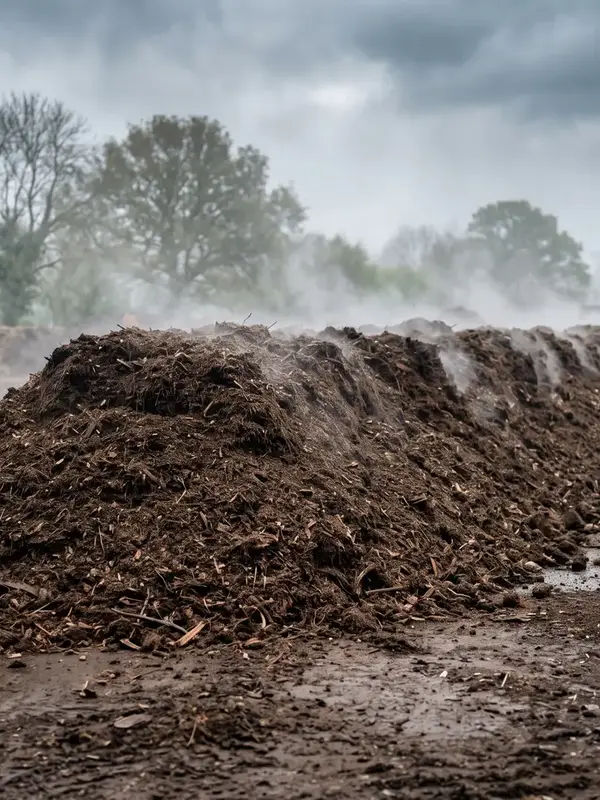
Bulk compost delivered in Sioux Falls, SD. Dark brown color.
Starting from $573.56 delivered to Sioux Falls for 2 yards, our minimum order
Garden beds in Sioux Falls spend half the year frozen and the other half working hard, so soil that has been wearing down needs organic matter put back. Compost delivery in Sioux Falls, SD brings a dark brown compost, sold by the cubic yard, to your address, so you skip the pickup trips with a loaded trailer.
Compost delivery in Sioux Falls and what it is for
Compost is finished organic material: it crumbles, smells like forest floor and feeds soil rather than covering it. Around a city of about 210,000 people you will see it go into backyard vegetable beds, new sod projects, tree rings and the strips between sidewalks and curbs. If you want to see how delivery works across town, the page for delivery in Sioux Falls covers it, and statewide options sit on the Compost in SD hub.
Best uses for compost in this city
- Vegetable and flower beds: work a layer into the top few inches of existing soil before planting.
- New lawns: blend it into the ground before seed or sod so roots find something loose to grow into.
- Tired lawns: rake a thin layer over the turf after aerating in spring or fall.
- Trees and shrubs: mix some into the backfill and keep it clear of the trunk.
- Raised beds: combine with topsoil rather than filling a box with compost alone.
If your yard has heavy clay, compost is one of the easier ways to open it up. Sandy patches gain from it too, since it holds moisture that would otherwise drain away.
How much compost you need
Start by measuring the Sioux Falls bed, then choose a depth. Multiply length by width in feet, multiply by the depth in inches, and divide the result by 324 to get cubic yards. A bed 20 feet by 10 feet covered 3 inches deep comes to roughly 1.9 cubic yards, which rounds up to our 2 cubic yard minimum. If your plan involves other materials as well, the calculator is a handy place to check your arithmetic.
Fresh compost is fluffy, so round up a little rather than down. A short load means a second delivery, and half a cubic yard left over is easy to use in a corner of the yard.
Pricing and ordering
Compost is sold by the cubic yard, and the smallest order is 2 cubic yards. Enter your ZIP on the page and the delivered price appears right there, calculated for your address area. Larger orders get a lower rate per cubic yard, so a big landscaping job costs less per unit than a single raised bed. Pick your quantity, check the delivered total, and place the order online.
Pair it with other materials
Compost rarely works alone on a property. Paths and edging around planting beds often use #57 Crushed Stone for a firm base, and a driveway or parking pad can be topped with Asphalt Millings. Both are sold by the ton, unlike compost, so keep the units separate when you total up a combined order. Pea gravel and river rock are also offered in the city for decorative borders.
Moving and spreading the load
A cubic yard looks small in the driveway and enormous once you start shoveling it, so line up a wheelbarrow and a flat rake before the truck shows up. Two people can move a couple of cubic yards in an afternoon. Start with the beds farthest from the pile so you are not walking over finished work. Gloves help, because compost stains hands and dries them out.
Edging makes the job tidier. A spade-cut trench or a strip of metal along the lawn keeps the dark material from washing onto turf during a heavy summer storm.
Planning the drop
Pick a flat spot near the beds, ideally on a driveway edge so nothing leaks into the lawn. Spring is the busy season for gardens here, but compost can go down in fall as well, where it sits through winter and breaks into the soil by thaw.
About Compost
Here in Sioux Falls, compost is a dark brown amendment built from plant matter that has broken down. It is crumbly and earthy, and it adds nutrients and structure to ground that has been used hard. In Sioux Falls it is most often mixed into clay-heavy beds, raked over thin lawns or blended with topsoil for raised planters.
For Sioux Falls, compost is priced by the cubic yard. One cubic yard weighs about 1,000 pounds, though the weight shifts with moisture. The smallest compost order here is 2 cubic yards, and the total for your Sioux Falls ZIP loads live as you pick a quantity. Sioux Falls buyers who order more pay a lower rate per cubic yard.
Use it as an amendment, not a replacement for soil. Mixing it in works better than a thick layer on top, and a light dressing suits an established lawn.
What Compost costs in Sioux Falls
In the Sioux Falls market, compost is sold by the ton and priced at the gate before delivery is added on. Send your ZIP and load size and we will send back a same-hour quote with the truck rate and the per-ton figure spelled out. One ton covers about 216 sq ft at a 3 inch finished depth, so a 400 sq ft driveway pad runs roughly 2 tons.
How crews use Compost in Sioux Falls
Crews working out of Sioux Falls tend to call for compost on a few repeat jobs each week. The first is planting bed gravel, typically laid in tight urban lots and infill builds with a base lift compacted before the finish course goes on. With a population around 209,289, Sioux Falls pulls a mix of single-truck homeowner orders and contractor full-loads through the season.
Delivery day in Sioux Falls
On the day of the drop, the dispatcher pulls the closest yard, batches your ticket with other Sioux Falls stops, and sends a window the night before. Tandem-axle dumps need at least 12 ft of clear width and 14 ft overhead to set the bed; tri-axles need 14 ft of clearance on both counts and a level pad to tip safely. Standard lead time on this lane is Mon-Sat, with same-day windows held open for orders that hit the desk before 11 AM and clear payment.
Related materials we deliver in Sioux Falls



Estimate how much you need
Work out your material
A planning figure, not a guarantee. Order roughly a tenth extra to cover settling and uneven ground.
Browse more
Available in nearby cities
Plan your project
Related guides
 GUIDEWhat Is Crushed Stone? Sizes, Uses and Buying BasicsCrushed stone is quarried rock crushed and screened into angular pieces sold by the ton. Here is what it is, how it is graded, and where to use it.Read guide →
 GUIDEHow Much Does Gravel Cost? A Practical Pricing GuideHow much does gravel cost and why does it vary? See the real factors behind ton pricing, delivery, and order size before you buy.Read guide →GUIDEGravel Size Chart: Pea Gravel to Crushed StoneA gravel size chart showing pea gravel, crushed stone and river rock diameters side by side, so you can match the right size to your project.Read guide →
 GUIDEThe Different Types of Gravel and How to ChooseA plain-language guide to the main types of gravel, covering pea gravel, crushed stone, river rock and decomposed granite.Read guide →
Frequently Asked Questions
Is compost the same thing as topsoil?
No. Compost is decomposed organic matter that adds nutrients and structure, while topsoil as the bulk, which stretches your order and gives plants a balanced growing medium.
Can I plant straight into pure compost?
You can for some crops, but most plants do better when compost makes up a portion of the mix. Pure compost holds a lot of water and can be rich enough to stress seedlings. Blending it into existing soil at roughly one part in three is a common approach for beds.
How thick should I spread it on an existing lawn?
In Sioux Falls lawns, keep compost thin, about a quarter to half an inch, and rake it in so the blades still show. Heavier layers smother turf. If you want more depth, repeat the application a few weeks later instead of piling it on at once.
Does compost need to be covered after it arrives?
Covering helps if the pile will sit for several days. A tarp keeps heavy rain from soaking it through and stops wind from drying the surface into dust. If you plan to spread it the same day, you can skip the tarp entirely.
What does the product look like when it arrives?
Expect a dark brown, crumbly material with a fine to medium texture and an earthy smell. A few small woody bits are normal in finished compost. It should not smell sour or sharp, and it should feel damp but not dripping when you squeeze a handful.
What can I do with leftover compost?
Leftover compost is easy to put to work. Many people spread it around shrubs and trees, top dress a thin patch of lawn, or fill a second bed. It also works as a mulch layer over bare soil, and it keeps better if you store the extra in a corner of the yard.
Is compost good for a vegetable garden in a short growing season?
Yes. Well-finished compost warms and drains faster than heavy clay, which gives roots a head start when planting windows are tight. Dig it in before planting, and add a light top layer midseason to keep the soil from crusting.
Can I seed or lay sod right after spreading compost?
Yes, once the compost is blended into the top few inches and the surface is raked level. Water lightly after seeding so the mix stays damp without washing away. For sod, make sure the soil underneath is loose and even, since gaps and low spots show up as weak patches later in the season.