
Compost Delivery in Oxnard, CA by the Cubic Yard
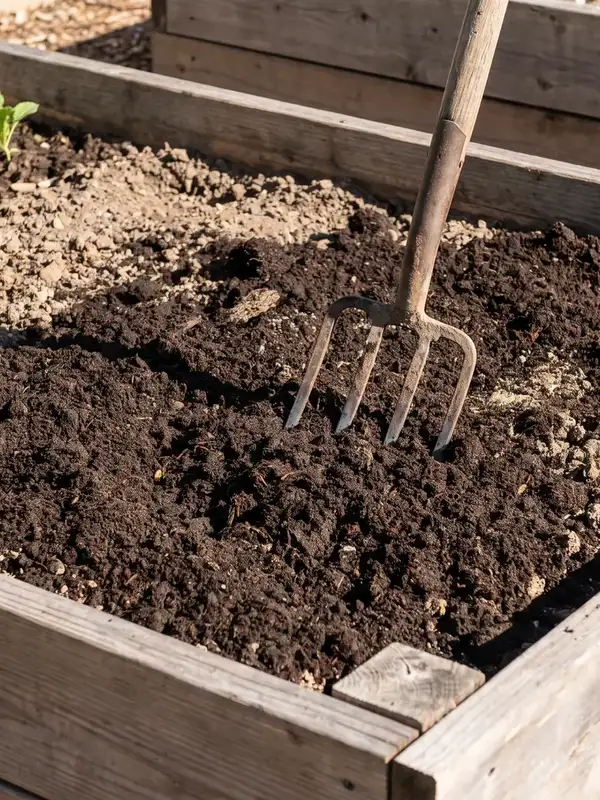
Bulk compost delivered in Oxnard, CA. Dark brown color.
Starting from $612.06 delivered to Oxnard for 2 yards, our minimum order
Oxnard sits on a flat, productive plain, and plenty of local yards still grow like it. If you want compost delivery in Oxnard, CA for a vegetable bed, a new lawn or a tired planting strip, MyGravelBuddy sends it by the truckload so you skip the bagged stuff and the repeated trips in your own pickup.
Compost delivery in Oxnard, CA, sold by the cubic yard
Compost here is sold by the cubic yard, and the smallest order is 2 cubic yards. Enter your ZIP and the page works out the delivered price on the spot, so the number you see already includes the trip to your address. Bigger loads bring the rate per cubic yard down, which matters if you are covering a long garden or several beds at once.
Oxnard is a city of roughly 200,000 people, and most of its homes are on modest lots with a patch of dirt out back. A couple of cubic yards covers a surprising amount of that ground. The material arrives dark brown, crumbly and ready to spread, with no sorting needed.
Where compost pays off around Oxnard
Coastal air keeps the soil cooler and moister than inland California, but irrigated beds still lose organic matter quickly. Compost puts it back. These are the jobs that use it best:
- Raised vegetable beds: fill them with a compost-heavy mix, or top them up each spring.
- New sod or seed: work a layer into the top few inches before you plant.
- Fruit trees and roses: spread it as a mulch ring, kept a hand's width back from the trunk.
- Tired lawns: rake a thin layer over the turf after aerating.
- Slow-draining patches: mixed into heavy ground, it opens the soil up.
Working out how many cubic yards to order
Multiply length in feet by width in feet by depth in inches, then divide by 324. A bed 20 feet long and 6 feet wide, topped with 3 inches, comes to about 1.1 cubic yards, so it falls under the 2 cubic yard minimum and you would simply order the minimum and use the rest elsewhere. If you would rather not do the arithmetic, the calculator will do it for you.
Compost does not settle much after spreading, but it does darken and thin as it breaks down. Many gardeners add half an inch to their target depth for that reason.
What Oxnard garden soil usually asks for
Ground on the Oxnard plain ranges from loamy to sandy, and sandy patches drain fast and hold few nutrients. Compost helps there by acting as a sponge, so water stays in the root zone longer between irrigation cycles. Near the coast, breezes can also carry salt onto leaves, and healthier soil gives plants more room to cope with it.
If your beds sit against a fence or a block wall, expect them to dry out faster along that edge. Spreading compost a little deeper there evens things out.
Timing a delivery
Mild winters mean you can plant most of the year, so the best moment is simply the week before you plant. Order once the beds are cleared and edged. Spring and fall are the busiest planting seasons, and ordering before planting day keeps your project on schedule.
Pairing compost with other materials
A garden project rarely stops at soil. Paths between beds often get #57 Crushed Stone, which is sold by the ton and drains freely. For a driveway edge or a rough service lane, Asphalt Millings are another ton-based option. Ordering each one separately keeps your quantities honest, because compost is measured in cubic yards and these are measured in tons.
Ordering for nearby cities
Customers in Ventura, Thousand Oaks and Simi Valley, at roughly 10, 18 and 25 miles from Oxnard, can check the same ZIP tool to see their own number. Details on delivery in Oxnard are on the city page, and the full range of statewide listings sits at Compost in California.
Pick the spot first. Compost is dumped in one pile, so choose a flat area clear of cars and overhead wires, and lay a tarp or plywood down if the pile will sit on a driveway or patio.
About Compost
Compost is decomposed organic matter, screened to a fine, crumbly texture and dark brown in color. It smells earthy rather than sour, and it holds moisture without turning to paste. Gardeners use it to feed soil, not to replace it, so it is usually mixed in or spread on top.
One cubic yard weighs roughly 1,000 pounds, noticeably lighter than rock, which is why it is sold by volume rather than by the ton. It works as a soil amendment for beds and lawns, a mulch layer around plants, and a component in custom planting mixes. Because it is a living product, it is best spread soon after delivery and kept moist if the pile will sit for a while.
The delivered price depends on your ZIP and is shown live on this page. For Oxnard delivery, the smallest order is 2 cubic yards.
What Compost costs in Oxnard
Around Oxnard, compost is quoted by the ton with delivery layered in based on distance from the closest yard. Send your ZIP and load size and we will send back a same-hour quote with the truck rate and the per-ton figure spelled out. Plan on roughly 216 sq ft of coverage per ton at 3 inches deep, which puts a single-car driveway in the 3 to 5 ton bracket.
How crews use Compost in Oxnard
Oxnard contractors keep compost on the order sheet for a short list of standard installs. Top of the list is planting bed gravel, where the material is rolled out in tight urban lots and infill builds and screeded to grade. Oxnard sits at about 200,616 residents, which means we see steady weekday traffic from landscape crews and weekend pickups from owner-builders.
Delivery day in Oxnard
Delivery in Oxnard runs out of the nearest pit; you get a two hour arrival window the evening prior and a call when the driver leaves the scale. Plan for 12 ft of clear path for a tandem and 14 ft for a tri-axle, plus a level area at the dump point so the bed lifts straight. Standard lead time on this lane is Mon-Sat, with same-day windows held open for orders that hit the desk before 11 AM and clear payment.
Related materials we deliver in Oxnard



Estimate how much you need
Work out your material
A planning figure, not a guarantee. Order roughly a tenth extra to cover settling and uneven ground.
Browse more
Available in nearby cities
Plan your project
Related guides
 GUIDEGravel Size Chart: Pea Gravel to Crushed StoneA gravel size chart showing pea gravel, crushed stone and river rock diameters side by side, so you can match the right size to your project.Read guide →
 GUIDEThe Different Types of Gravel and How to ChooseA plain-language guide to the main types of gravel, covering pea gravel, crushed stone, river rock and decomposed granite.Read guide →
 GUIDEWhat Are Screenings? A Guide to Crushed Stone FinesScreenings are fine crushed stone used for paver bases, joint fill and walkways. See what screenings are, common types, and mistakes to avoid.Read guide →
 GUIDEWhat to Put Under River Rock for Landscaping BedsHere is what to put under river rock landscaping: a compacted base where needed, then landscape fabric, then rock, to stop weeds and settling.Read guide →
Frequently Asked Questions
Is compost safe to use around edible plants?
Finished compost is a normal choice for vegetable and herb beds. It should look dark and crumbly, smell like soil, and show no steam or sharp odor. Spread it around plants rather than piling it against stems, and rinse produce before eating, as you would with any garden harvest.
Can I mix compost with the dirt already in my yard?
Yes, and most people do. A common mix is about one part compost to two or three parts native soil, turned in with a shovel or tiller. Straight compost can dry out quickly and hold too much water in a pot or small bed, so blending is usually kinder to roots.
What is the difference between compost and mulch?
Compost is fine, mostly broken down, and meant to feed the soil. Mulch is coarser and sits on the surface to slow evaporation and block weeds. Many gardeners use both: a layer of compost worked in or spread first, then mulch on top to hold in moisture.
How long does a pile of compost keep before I spread it?
A pile can wait a few days without trouble. Covering it with a tarp stops sun from drying the top and stops rain from soaking it. If it dries out, wet it lightly before spreading. Avoid leaving it for weeks, since the edges lose value and weeds may start sprouting.
Will compost bring weeds or pests into my garden?
Well-made compost heats up enough in processing to kill most weed seed, but a few stray sprouts can still appear. In an Oxnard garden, pull them early while the roots are still shallow. Compost will not carry pests in any meaningful way, though an open pile can attract birds looking for insects.
How often should I add compost to a garden bed?
Once or twice a year is typical. A thin top-up of an inch each spring keeps vegetable beds productive, while lawns and ornamental borders can go longer between applications. If plants look pale or the soil cracks and crusts, that is a good signal to add more.
Can compost go straight onto a lawn?
A thin layer, about a quarter to half an inch, works well on an established lawn. Rake it in so the grass blades still poke through, and water afterward. Anything thicker can smother the turf. Wait to mow until the new growth has pushed up through the layer.
What should I use to move compost from the pile to my beds?
A wheelbarrow and a flat shovel do most of the work, and a landscape rake smooths it out. Compost is lighter than rock, but a full barrow is still heavy when wet. Work in several smaller loads and start with the beds farthest from the pile.