
Compost Delivery in Clarksville, TN
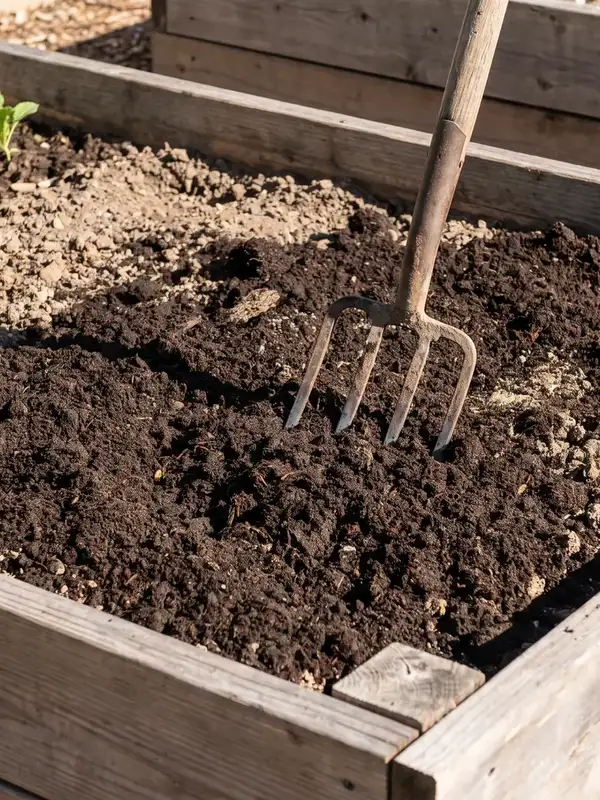
Bulk compost delivered in Clarksville, TN. Dark brown color.
Starting from $565.33 delivered to Clarksville for 2 yards, our minimum order
Gardeners in Clarksville, TN usually come to compost for one reason: the soil they were handed is not the soil they want. New subdivisions often get stripped lots with compacted fill, and older yards have years of lawn on top of tight ground. A few cubic yards of compost changes that quickly, and compost delivery saves the trips with a loaded pickup.
Compost delivery in Clarksville, TN
Compost is sold by the cubic yard, and the smallest order is 2 cubic yards. Type your ZIP into the product page and the live engine shows the delivered price for your address, with a lower rate per cubic yard as the load grows. The delivery in Clarksville page explains how local drop-offs are handled, and the Compost in Tennessee page covers the state as a whole.
Nashville is about 40 miles away, but there is no need to go looking for a yard there: you order online and the load comes to your Clarksville address.
How much you need to buy
Start with the area. Multiply bed length by width in feet, then multiply by the depth you want in inches, and divide by 324. That gives cubic yards. Three beds that are each 4 by 12 feet, at 2 inches deep, come to roughly 0.9 cubic yards in all, so the 2 yard minimum would cover them with plenty to spare. If you prefer to skip the math, the calculator handles it.
New beds need more than refreshed ones. A first-time vegetable plot may take a deeper layer, while an established border only needs a light top-up. On a lot where the builder left compacted fill, plan on the deeper end and loosen the ground first, since compost sitting on hard pan mostly stays on top and the roots never reach it.
Where compost works best around Clarksville
- New home landscaping: builder-graded soil is often thin, and compost gives shrubs and sod a better start.
- Vegetable gardens: work it in before spring planting and the crops get a fertile bed.
- Overseeding thin lawns: a light layer of compost under fresh seed holds moisture against the Tennessee sun.
- Fruit trees and berry rows: a surface ring feeds the roots as it breaks down.
- Soil blends: combine with Premium Screened Topsoil for a deep, loose planting mix.
Compost alongside other materials
Compost does not make a path or a drain. For a walking surface through the garden, Pea Gravel is a tidy, comfortable choice. For the planting soil itself, Premium Screened Topsoil gives you the base to build on. Both of those are priced by the ton, so convert carefully if you order several materials at once.
Where to put the pile
Choose a hard patch near the beds, away from storm drains and from the neighbor's fence line. A driveway apron works well. The truck needs room to tip, so clear overhead branches and wires. If the beds are far from the pile, a wheelbarrow and a few hours will do the rest.
Ordering notes
Add your cubic yards, confirm the ZIP, and check out. Spread compost within a few weeks if you can, because bare piles lose some goodness to rain and wind over time.
Mistakes that waste compost
The most common one is spreading it too thin to matter, a dusting that disappears by June. The second is piling it against trunks and stems, which keeps bark damp and invites rot.
Working it in
Loosen the existing soil with a garden fork first so the compost has somewhere to go, especially where construction traffic packed the ground. Spread an even layer, then turn it in to about the depth of a shovel blade. Water the bed afterward to settle the mix, and wait a few days before sowing small seeds. Larger transplants such as tomato starts or shrubs can go in right away, and a light mulch on top afterward keeps the surface from crusting over in the first weeks.
About Compost
Compost is screened, fully broken-down organic material with a dark brown color and a loose, crumbly feel. It adds organic matter to tired soil, gives plant roots a gentler place to start, and helps a bed keep moisture between rains. Finished compost smells like damp earth and has no recognizable chunks of the original waste.
It is sold by the cubic yard here, and one cubic yard weighs roughly 1,000 pounds. Gardeners use it to improve vegetable plots, to freshen flower borders, to topdress lawns and to build raised-bed mixes with topsoil. Because it is rich, it is usually blended with soil rather than used alone, except as a surface layer around established plants.
What Compost costs in Clarksville
Around Clarksville, compost is quoted by the ton with delivery layered in based on distance from the closest yard. Send your ZIP and load size and we will send back a same-hour quote with the truck rate and the per-ton figure spelled out. Plan on roughly 216 sq ft of coverage per ton at 3 inches deep, which puts a single-car driveway in the 3 to 5 ton bracket.
How crews use Compost in Clarksville
Clarksville contractors keep compost on the order sheet for a short list of standard installs. Top of the list is planting bed gravel, where the material is rolled out in tight urban lots and infill builds and screeded to grade. Clarksville sits at about 174,530 residents, which means we see steady weekday traffic from landscape crews and weekend pickups from owner-builders.
Delivery day in Clarksville
Delivery in Clarksville runs out of the nearest pit; you get a two hour arrival window the evening prior and a call when the driver leaves the scale. Plan for 12 ft of clear path for a tandem and 14 ft for a tri-axle, plus a level area at the dump point so the bed lifts straight. Standard lead time on this lane is Mon-Sat, with same-day windows held open for orders that hit the desk before 11 AM and clear payment.
Related materials we deliver in Clarksville



Estimate how much you need
Work out your material
A planning figure, not a guarantee. Order roughly a tenth extra to cover settling and uneven ground.
Browse more
Available in nearby cities
Plan your project
Related guides
 GUIDEWhat Are Screenings? A Guide to Crushed Stone FinesScreenings are fine crushed stone used for paver bases, joint fill and walkways. See what screenings are, common types, and mistakes to avoid.Read guide →
 GUIDEWhat to Put Under River Rock for Landscaping BedsHere is what to put under river rock landscaping: a compacted base where needed, then landscape fabric, then rock, to stop weeds and settling.Read guide →GUIDEHow to Clean River Rock and Restore Its ColorLearn how to clean river rock landscaping with rinsing, soap and vinegar methods, plus common mistakes to avoid for a brighter, longer lasting rock bed.Read guide →
 GUIDEHow to Lay a Gravel Driveway: Step-by-Step GuidePractical, field-tested guide: how to lay gravel driveway. Pulled from real US installer notes and 2026 supplier price data.Read guide →
Frequently Asked Questions
How is compost different from mulch?
In Clarksville beds, mulch sits on top of the soil to block weeds and slow evaporation, and it breaks down slowly. Compost is finished and fine, meant to feed the soil. Many gardeners spread compost first, then a layer of mulch on top. The compost does the feeding while the mulch protects the surface.
Can I grow vegetables in straight compost?
It is possible but not ideal. Compost is rich and can hold too much water or too many salts for some crops when used alone. A blend of roughly half compost and half topsoil gives better drainage and steadier results, especially in raised beds.
When is the best time to spread compost in Clarksville?
Early spring, before planting, and early fall, after summer crops finish, are the two sweet spots. The ground is workable and not baked or frozen. Avoid spreading on saturated soil, because walking on wet ground squeezes out the air you are trying to add.
Does compost help with drainage?
Yes, in heavy soil. The crumb structure it creates leaves small gaps for water to travel through. In sandy soil it works the opposite way, helping the ground keep water longer. Either way, you need to mix it in, not just lay it on top.
How deep should I spread compost on a new lawn?
Work in about 1 to 2 inches into the top 4 to 6 inches of soil before laying sod or seed. Because compost settles over time, do not go heavy on top of sod. A thin layer over an existing lawn is enough.
How long before compost shows results?
Soil structure improves over a season or two as the organic matter works into the ground. Plants often respond sooner, with better color and steadier growth in the first growing season. Heavy clay or compacted fill takes longer, so repeat the application each year instead of expecting one load to do it all.
What if I have too much compost left over?
Leftovers keep fine. Shovel the extra into a heap, cover it with a tarp so rain does not wash the nutrients away, and use it on shrubs, as a lawn topdressing or in a late-season bed. It does not spoil.
Should I pull weeds before spreading compost?
Yes. Clear existing weeds, roots and all, before you spread, because a layer of compost will not smother established perennial weeds. Annual weed seedlings are easier to deal with: rake them off, spread the compost, and pull any that come through while they are small.