
Garden Soil Delivery in Clarksville, TN
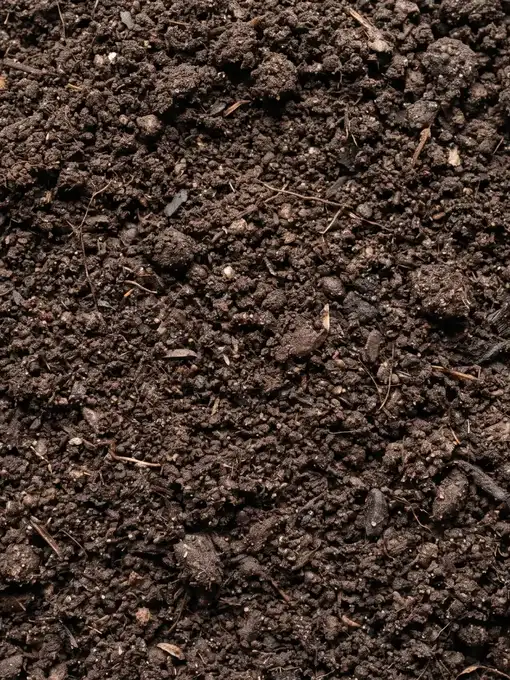
Bulk garden soil delivered in Clarksville, TN. Dark brown color.
Starting from $535.65 delivered to Clarksville for 2 tons, our minimum order
Garden soil delivery in Clarksville for new beds
If you are planning a bed in Clarksville and want garden soil delivery in Clarksville, TN that you can order online, the process is short. Pick the number of tons, enter your ZIP, and check out. Garden soil here is a dark brown blend sold by the ton, and the smallest order is 2 tons. The delivery in Clarksville page covers how drop-offs are handled around town.
Clarksville has grown to roughly 175,000 people, and a lot of that growth is new subdivisions where builders left thin, compacted ground behind the foundation. Those lots are exactly where garden soil pays off: a few inches of loose, dark material over packed subsoil turns a bare back yard into something a vegetable bed can live in.
Fixing hard ground along the Cumberland
Soils near the Cumberland River and its creeks lean toward silt and clay, and in a wet March they stay cold and sticky. Raised beds built from garden soil drain faster and warm sooner, which gives tomatoes and peppers an earlier start. If you would rather regrade a whole yard, a finer screened product may suit you better, and Premium Screened Topsoil is the one to compare.
Common projects
- New raised beds in a fenced back yard.
- Flower and shrub borders next to a new patio.
- Container and planter refills for a deck.
- Patching bare spots where a builder stripped the lawn.
Pairing a bed with a gravel path keeps shoes clean between rows, and Pea Gravel is a smooth, comfortable surface for that.
Working out the right tonnage
Sketch each bed, note its length and width, and choose a fill depth. Plug the measurements into the calculator for a baseline, then add a margin, because fresh soil loses height as it waters in. Garden soil is priced by weight, 2,000 pounds to the ton, so tonnage rather than yardage is what you enter at checkout. Nobody can order under 2 tons, so if the math lands below that, consider planting a second bed or topping up the lawn edges.
Building the bed itself
Frame the bed first, whether with cedar boards, landscape timbers or block. Lay cardboard on turf to smother grass, then fill in layers, watering each one as you go so air pockets close. Leave an inch or so below the rim for mulch. A bed about four feet wide can be reached from both sides without stepping in, which keeps the soil loose for the whole season.
Where the truck can drop
Look at your property the way a driver would. A level pad beside the drive is better than a soft lawn, and overhead wires or low branches can block the bed from tipping. Subdivision streets often have narrow cul-de-sacs and parked cars, so say in your notes if the truck must stop on the street, which is also the kinder choice over thin asphalt or fresh concrete. Keep children and pets clear of the area while the load comes off.
What the ZIP price tells you
Because Clarksville sits about 40 miles from Nashville, some buyers wonder whether the Nashville area changes their cost. It does not need to: your own ZIP is what drives the figure shown at checkout, and that figure already includes the trip to you. Larger orders drop the rate per ton, so a neighbor split often beats ordering alone.
Seasonal planting notes
Middle Tennessee gets a stretch of warm, dry weeks in summer, and soil laid then dries fast, so water new beds daily at first. Fall is a good time to build beds for winter cover crops or spring bulbs, and settled soil is ready by the first warm weekend. Use mulch over the surface to keep the top layer from crusting.
More materials and the state page
Browse every location for this product on the Garden Soil in Tennessee page. You can also add stone or gravel from the same site when a project needs more than planting soil.
About Garden Soil
Garden soil is a dark brown planting blend with plenty of organic matter, made for beds, borders and containers. It crumbles easily, takes water well and gives roots room to spread, which makes it a good match for the dense clay that many Clarksville yards start with.
The material is sold by the ton, and 1 ton is 2,000 pounds. Orders start at 2 tons. The delivered price is calculated for your ZIP and shown right on the page, and larger orders carry a lower rate per ton. As a natural product it may vary slightly in texture and moisture from one load to the next, which is normal for soil.
What Garden Soil costs in Clarksville
Around Clarksville, garden soil is quoted by the ton with delivery layered in based on distance from the closest yard. Send your ZIP and load size and we will send back a same-hour quote with the truck rate and the per-ton figure spelled out. Plan on roughly 108 sq ft of coverage per ton at 3 inches deep, which puts a single-car driveway in the 3 to 6 ton bracket.
How crews use Garden Soil in Clarksville
Clarksville contractors keep garden soil on the order sheet for a short list of standard installs. Clarksville sits at about 174,530 residents, which means we see steady weekday traffic from landscape crews and weekend pickups from owner-builders.
Delivery day in Clarksville
Delivery in Clarksville runs out of the nearest pit; you get a two hour arrival window the evening prior and a call when the driver leaves the scale. Plan for 12 ft of clear path for a tandem and 14 ft for a tri-axle, plus a level area at the dump point so the bed lifts straight. Standard lead time on this lane is Mon-Sat, with same-day windows held open for orders that hit the desk before 11 AM and clear payment.
Related materials we deliver in Clarksville



Estimate how much you need
Work out your material
A planning figure, not a guarantee. Order roughly a tenth extra to cover settling and uneven ground.
Browse more
Common uses for Garden Soil in Clarksville
Available in nearby cities
Plan your project
Related guides
 GUIDEHow Much Does Gravel Cost? A Practical Pricing GuideHow much does gravel cost and why does it vary? See the real factors behind ton pricing, delivery, and order size before you buy.Read guide →GUIDEGravel Size Chart: Pea Gravel to Crushed StoneA gravel size chart showing pea gravel, crushed stone and river rock diameters side by side, so you can match the right size to your project.Read guide →
 GUIDEThe Different Types of Gravel and How to ChooseA plain-language guide to the main types of gravel, covering pea gravel, crushed stone, river rock and decomposed granite.Read guide →
 GUIDEWhat Are Screenings? A Guide to Crushed Stone FinesScreenings are fine crushed stone used for paver bases, joint fill and walkways. See what screenings are, common types, and mistakes to avoid.Read guide →
Frequently Asked Questions
How deep should I fill a vegetable bed?
Most vegetables do well with 8 to 12 inches of loose soil. Root crops such as carrots want the deeper end. Measure the depth in a few spots, since beds on a slope rarely fill evenly.
Can I use garden soil to level a lawn?
It works for small low spots, but it is richer than most lawns need and can sink faster than screened fill. For a larger area, spread thin layers of no more than an inch or two at a time and reseed right away.
Does the soil contain weed seeds?
Natural soil can carry a few seeds, so some sprouts are normal in the first weeks. Pull them early, cover the bed with mulch, and avoid tilling deeply, which brings buried seeds to the surface.
Do I need to add fertilizer to a new bed?
Most beds do fine the first season without it. A little compost worked into the top few inches is a gentle boost, and heavy feeders such as tomatoes and squash can get a slow-release feed at planting time. Test before adding more in later years.
What is the easiest way to move a pile by hand?
Use a wheelbarrow and fill it only part way so it stays steady. Start with the bed farthest from the pile so you never walk across finished soil, and move the pile in sections instead of chasing the edges.
How soon can I plant after the soil is spread?
You can plant seedlings almost right away if the soil is moist and loose. Seeds do better after a gentle watering and a day or two of settling. Skip heavy raking that packs the surface back down.
Can I plant shrubs and perennials in garden soil?
Yes. Dig each hole about twice as wide as the root ball, backfill around the root ball, and set the plant at the same depth it grew in the pot. Water well and keep mulch back from the stem.
Should I cover the pile if beds are not framed yet?
Yes. A tarp weighted at the edges keeps a heavy rain from washing soil toward the street and stops the surface from crusting in the sun. Pull it back when you are ready to fill, and shovel from the top of the pile down so the damp interior does not dry out in the open.