
Bulk Compost Delivery in Salem, OR
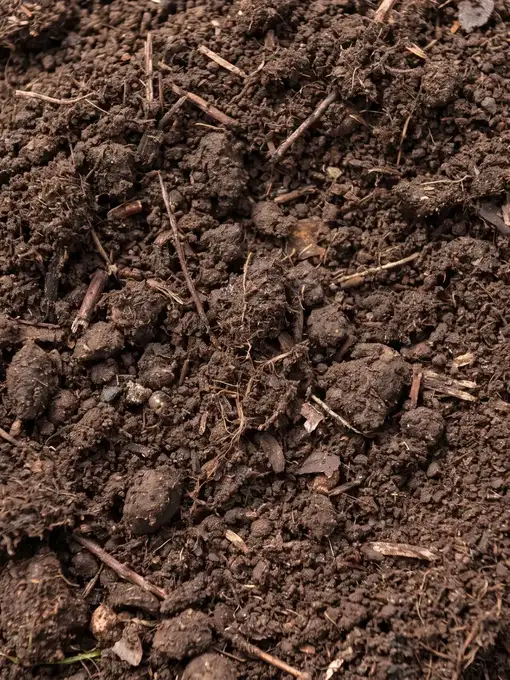
Bulk compost delivered in Salem, OR. Dark brown color.
Starting from $523.61 delivered to Salem for 2 yards, our minimum order
Compost delivery in Salem, OR, by the cubic yard
Salem is the state capital, a city of about 180,000 with a long farming history in the middle of the Willamette Valley. Garden beds, orchards and school plots here get a lot of compost, and compost delivery in Salem, OR means you can order the quantity you need without hauling it in a pickup bed. Compost is sold by the cubic yard, with 2 cubic yards as the smallest order.
The product is dark, crumbly and earthy, finished from plant material. Think of it as food for soil rather than a fill: it goes into beds, around plants and onto lawns, not under walkways.
Starting with the delivery details
Salem addresses are covered on the delivery in Salem page, which is the place to confirm how orders reach your street. Looking at the map, Portland is about 42 miles away and Hillsboro about 34 miles. Pick a drop spot with open sky, no wires, and room for the truck to back in or stop at the curb. Loose compost is dumped as a single pile, so a tarp or a sheet of plywood underneath protects whatever surface is below.
Where Salem gardeners put it
- Vegetable plots where last year's crops have drained the soil.
- Hazelnut, blueberry and fruit rows on small acreage.
- New landscaping around houses in the newer subdivisions.
- Raised beds that need refilling after a year or two of settling.
Working it into the soil
For existing beds, spread two or three inches and fork it into the top six inches before planting. On lawns, a thin layer raked flat after aerating fills the holes and feeds the grass. For a brand new bed on poor ground, a deeper layer mixed with the native soil gives plants a head start, though going much past a third compost by volume is not necessary.
Working out your quantity
The math is simple. Take the length and width of the area in feet, multiply them together, multiply by the depth in inches, and divide by 324 to get cubic yards. A 12 by 8 foot raised bed filled 10 inches deep needs just under 3 cubic yards. Round up to the next half yard, since compost sinks as it is watered in. If you would like a second opinion, the calculator does the conversion for you.
Keep the units straight on mixed jobs. A pathway around the beds built with #57 Crushed Stone is quoted in tons, as are Asphalt Millings for a driveway apron, while the compost pile is in cubic yards. Do the calculation for each material separately and do not convert one into the other.
Timing the work around Salem weather
Valley winters are wet and summers turn dry, so the calendar matters more than people expect. Early spring, once beds drain enough to walk on without leaving footprints, is the usual window for vegetable plots. Early fall suits lawns and perennial borders, because the heat has eased and rain returns to help the compost settle in. Mid-winter spreading on saturated ground just smears the soil and wastes effort.
On the day the load lands, rain is the thing to watch. A tarp over the pile keeps it from turning into a heavy, dripping mound, and a dry afternoon gives you the easiest shoveling. Plan to move most of the pile within a few days so it does not sit on the drop spot longer than you want.
What the price looks like
The price on this page is not a printed rate. The system calculates the delivered price from the ZIP you enter, then shows it right on the product page. A larger order lowers the rate per cubic yard, so it pays to combine the beds you plan to do this year into one load.
Place your Salem order
Choose the quantity, type your ZIP and read the delivered price. Statewide, the Compost in Oregon page also covers other Oregon cities, which is handy if you manage property in more than one town. Salem growers, landscapers and homeowners all use the same checkout.
About Compost
Compost is finished organic matter that has broken down into a dark, crumbly, soil-like material. It carries the earthy smell of a forest floor rather than anything sour or sharp. In a garden it supplies slow-release nutrition, helps sandy soil hold water, and loosens tight soil so roots can spread.
Typical uses include amending vegetable and flower beds, topping lawns before overseeding, mulching under shrubs after a light application, and blending into raised bed soil. It should not be used as a base under paving or as structural fill, since it keeps decomposing and settles over time.
Loads vary slightly in texture, and a few small bits of bark or wood are normal. Compost is sold by the cubic yard, the smallest order is 2 cubic yards, and larger orders get a lower rate per cubic yard. In Salem, the delivered compost price is worked out live for your ZIP and appears on the page.
What Compost costs in Salem
Local Salem yards quote compost by the ton; the delivered number includes fuel, the truck, and the haul. Send your ZIP and load size and we will send back a same-hour quote with the truck rate and the per-ton figure spelled out. A ton of this material spreads across about 216 sq ft when laid 3 inches deep, useful when you are sizing a patio base or a walkway run.
How crews use Compost in Salem
In and around Salem, compost shows up most often on two project types. The most common deployment is planting bed gravel, often in tight urban lots and infill builds in two to three inch lifts. At roughly 180,406 people, the Salem order mix leans toward 3 to 8 ton residential drops with the occasional 16 ton job for a contractor.
Delivery day in Salem
A typical Salem drop is dispatched from the closest yard with a two hour window and a heads-up call once the truck is loaded. Tandem trucks want a 12 ft lane in and out; tri-axles need 14 ft, and both want firm ground at the tipping spot so the load releases cleanly. Standard lead time on this lane is Mon-Sat, with same-day windows held open for orders that hit the desk before 11 AM and clear payment.
Related materials we deliver in Salem


Estimate how much you need
Work out your material
A planning figure, not a guarantee. Order roughly a tenth extra to cover settling and uneven ground.
Browse more
Available in nearby cities
Plan your project
Related guides
 GUIDEWhat Is #57 Stone? Uses, Size, and Cost ExplainedPractical, field-tested guide: what is 57 stone. Pulled from real US installer notes and 2026 supplier price data.Read guide →
 GUIDEHow Deep Should a Gravel Driveway Be? Layer GuidePractical, field-tested guide: how deep should gravel driveway be. Pulled from real US installer notes and 2026 supplier price data.Read guide →
 GUIDEHow Much Does River Rock Cost? By Ton or YardRiver rock cost depends on your ZIP code, order size, and whether you buy by the ton or the cubic yard. Here is how pricing works.Read guide →
 GUIDEWhat Size Crushed Stone Goes Under a Concrete SlabMost slabs need 4 to 6 inches of compacted crushed stone underneath. What size crushed stone under a concrete slab needs, and why it matters.Read guide →
Frequently Asked Questions
How much compost goes into a new raised bed?
Fill the bed with a blend rather than straight compost. A mix of roughly one part compost to two parts topsoil drains well and feeds plants through the first season. Over the following years, top the bed up with a couple of inches of fresh compost each spring as the level drops.
Does compost replace fertilizer in a vegetable garden?
For many gardens it covers the basics, because compost releases nutrients slowly as it breaks down. Heavy feeders such as tomatoes and squash may still want extra nitrogen mid-season. Treat compost as the base layer of soil health and add targeted feed only if plants show yellowing or slow growth.
Can I spread compost around blueberries?
Yes, a light layer helps, since blueberries like soil rich in organic matter. Keep the depth to an inch or two over the root zone, and keep it off the stems. Do not overdo it, because blueberries prefer acidic ground and thick applications can shift the balance.
Is it safe to use compost near pets and kids?
Finished compost is a normal garden material, and a freshly spread bed is generally fine for play areas once it has been raked smooth and watered in. Keep curious dogs from eating it, as they might any soil. Wash hands after handling, and cover it with a thin mulch if pets dig.
Can I put compost on lawn grass without tearing it up?
Yes, this is called top dressing. Rake a thin layer across the lawn, then work it down between the blades with the back of the rake until the grass tips show. Thick patches smother the turf, so spread it in several light passes if the lawn is thin.
How long does a pile of compost keep before I use it?
Leftover compost stays usable for many months. It slowly loses moisture and may crust on top, but a quick turn with a shovel fixes that. Keep any remainder away from storm drains and bag or bin it if you want it out of sight.
What tools do I need to spread a few yards?
A wheelbarrow, a flat shovel, a garden rake and a pair of gloves handle nearly any job. For larger beds, a second barrow speeds things up. Fill the barrow only about two thirds so it stays easy to steer, and dump in small piles that you rake level.
Is it better to top dress established plants than dig compost in?
For established plantings, yes. Leaving compost on the surface lets worms and rain pull the nutrients down gradually without disturbing roots. Spread an inch or two under shrubs and perennials, keep it off stems and trunks, and refresh the layer each spring as it thins out.