
Bulk Compost Delivery in Eugene, OR
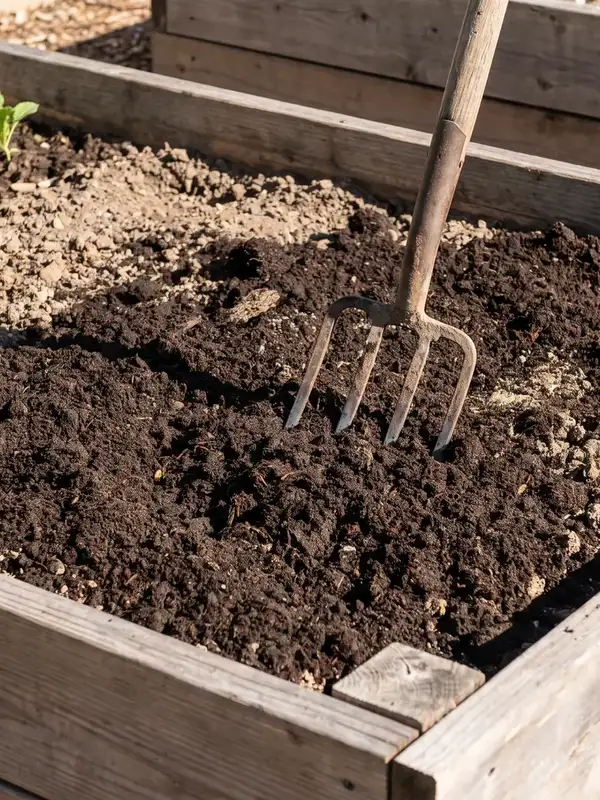
Bulk compost delivered in Eugene, OR. Dark brown color.
Starting from $523.77 delivered to Eugene for 2 yards, our minimum order
Compost delivery in Eugene, OR is built around one idea: you pick a number of cubic yards, enter your ZIP, and the page shows what that load costs at your address. Eugene sits in the Willamette Valley with a city of roughly 180,000 people, and most of its yards, school gardens and small farms share the same chore every year: feeding soil that gets soaked through winter and dries hard in late summer.
What compost does for Eugene soil
Compost is dark brown, crumbly organic material that holds water in sandy spots and opens up heavy ground. Valley soil often runs on the clay side, so a few inches worked into a bed changes how it drains and how it breaks apart in a trowel. It is a soil amendment and a top dressing, not a fill material, so plan it for planting areas rather than under hardscape.
Where it gets used most
- Vegetable and flower beds that need feeding before spring planting.
- Lawn renovation, where a thin layer goes down before overseeding.
- Berry rows, young trees and shrub borders around new homes.
- Raised beds, mixed with topsoil or used to refill beds that have settled.
Measuring the cubic yards you need
Compost is sold by the cubic yard, and the smallest order is 2 cubic yards. For a rectangular bed, multiply length in feet by width in feet by the depth you want in inches, then divide by 324. A bed 20 feet by 10 feet spread 3 inches deep comes to about 1.9 cubic yards, so it rounds up to the 2 cubic yard minimum. Irregular beds are easier to split into a few rectangles and add together.
Add a little extra to your total. Fresh compost fluffs up when it is dumped and then settles once it is watered in, so a bed that looks full on delivery day will sit lower a week later. Rounding up by a quarter yard is usually enough. If you would rather skip the arithmetic, the calculator will turn your dimensions into a quantity, and you can swap in the compost depth you have in mind.
Compost delivery in Eugene, OR: getting a load to your address
Orders go to the address you enter, and the price you see already includes the trip. Read the details on delivery in Eugene before you check out, then think about where the pile will land. Loose material is dumped in one spot, so choose a flat area clear of overhead wires and low branches, and keep the pile off the lawn you want to keep green. A sheet of plywood or a tarp under the drop area saves cleanup.
Rain is part of Eugene life from fall through spring. A wet pile is heavy to shovel and can leach onto a driveway, so cover it with a tarp and anchor the edges. Dry weather makes spreading far easier, which is why many people schedule the work for a stretch of clear days.
Pairing compost with stone
Compost rarely works alone on a landscaping job. Paths and edging around the beds often call for #57 Crushed Stone, which is sold by the ton and packs into a firm walkway. For a rough service lane to a garden shed or back lot, Asphalt Millings are also sold by the ton and bind together under traffic. Compost, in contrast, is measured in cubic yards, so keep the two quantities separate when you plan the job.
How pricing works
You will not find a flat price list here. The delivered price for your ZIP is calculated live and shown on the product page, so what you see is the number for your address. Bigger orders carry a lower rate per cubic yard, which makes it worth batching several beds into one delivery rather than ordering a little at a time.
Ready to order
Start from the Oregon page for Compost in Oregon, or go straight to the Eugene product listing, enter your ZIP and choose the quantity. A homeowner topping a single garden and a landscaper stocking a few jobs use the same page, only with different numbers.
About Compost
Compost is decomposed organic matter, dark brown and crumbly, with an earthy smell and no sharp odor. It is made from plant material that has broken down into a stable, soil-like product. Gardeners use it to add organic content, improve how soil holds moisture, and feed plants slowly over a season.
It works as a soil amendment mixed into existing ground, as a top dressing over lawns and beds, and as one ingredient in homemade raised bed mixes. It is not a structural fill, so it should not go under patios, paths or driveways. Texture varies a little from load to load, and some loads include small woody bits that are normal in finished compost.
Eugene compost is sold here by the cubic yard. The smallest order is 2 cubic yards, and the delivered price for your ZIP is shown on the page.
What Compost costs in Eugene
Local Eugene yards quote compost by the ton; the delivered number includes fuel, the truck, and the haul. Send your ZIP and load size and we will send back a same-hour quote with the truck rate and the per-ton figure spelled out. A ton of this material spreads across about 216 sq ft when laid 3 inches deep, useful when you are sizing a patio base or a walkway run.
How crews use Compost in Eugene
In and around Eugene, compost shows up most often on two project types. The most common deployment is planting bed gravel, often in tight urban lots and infill builds in two to three inch lifts. At roughly 178,786 people, the Eugene order mix leans toward 3 to 8 ton residential drops with the occasional 16 ton job for a contractor.
Delivery day in Eugene
A typical Eugene drop is dispatched from the closest yard with a two hour window and a heads-up call once the truck is loaded. Tandem trucks want a 12 ft lane in and out; tri-axles need 14 ft, and both want firm ground at the tipping spot so the load releases cleanly. Standard lead time on this lane is Mon-Sat, with same-day windows held open for orders that hit the desk before 11 AM and clear payment.
Related materials we deliver in Eugene



Estimate how much you need
Work out your material
A planning figure, not a guarantee. Order roughly a tenth extra to cover settling and uneven ground.
Browse more
Available in nearby cities
Plan your project
Related guides
 GUIDEWhat Size Crushed Stone Goes Under a Concrete SlabMost slabs need 4 to 6 inches of compacted crushed stone underneath. What size crushed stone under a concrete slab needs, and why it matters.Read guide →
 GUIDEWhat Is Crushed Stone? Sizes, Uses and Buying BasicsCrushed stone is quarried rock crushed and screened into angular pieces sold by the ton. Here is what it is, how it is graded, and where to use it.Read guide →
 GUIDEHow Much Does Gravel Cost? A Practical Pricing GuideHow much does gravel cost and why does it vary? See the real factors behind ton pricing, delivery, and order size before you buy.Read guide →GUIDEGravel Size Chart: Pea Gravel to Crushed StoneA gravel size chart showing pea gravel, crushed stone and river rock diameters side by side, so you can match the right size to your project.Read guide →
Frequently Asked Questions
Can I fill a pot or planter with straight compost?
It is usually too rich and dense for containers on its own. A common approach is to blend it with topsoil or a lighter growing medium so roots get drainage as well as nutrients. For in-ground beds, mixing compost into the existing soil works better than planting into a pure layer of it.
Will compost help the heavy clay in a Eugene yard?
Yes, over time. Working a few inches into clay loosens it and gives water somewhere to go, but it takes a season or two to notice the full change. One heavy application will not turn clay into loam, so plan on adding more each year as the organic matter breaks down.
How do I keep compost from harming my trees?
Pull it back a few inches from every trunk and stem. Piled against bark, it stays damp and can invite rot. Spread it out toward the drip line instead, where the feeder roots are, and keep the layer even so the tree gets food without a mound at its base.
Is compost the same as mulch?
No. Compost is finished, fine material that feeds soil, while mulch is a coarser cover that blocks light and slows evaporation. Many gardeners use both, working compost in first and then topping the bed with mulch to keep the surface from crusting.
Can compost bring weeds into my beds?
Finished compost can carry a few stray seeds, as any organic material can. Most gardeners see only a small number, and they pull easily from loose soil. Laying a layer of mulch over the compost cuts down on anything that tries to sprout.
When is the best season to spread compost in Eugene?
Early spring before planting and early fall after the heat has eased are the favorites. Fall applications let winter rain carry nutrients down into the root zone. Avoid spreading on frozen or waterlogged ground, because it will not work in and compacts under foot traffic.
What should I do with leftover compost?
Keep it in a tidy pile under a tarp and use it as needed. It stays useful for months, and many people top up potted perennials, patch thin lawn spots or add to the compost bin. Do not leave a bare pile on pavement, where a hard rain can wash fines into the street.
Can I use compost when I lay sod or seed a new lawn?
Yes. Spreading a thin layer and raking it into the top few inches of soil before seeding or rolling out sod improves rooting. Keep the layer modest and even, then rake the ground smooth so the sod sits flat against the soil without air pockets underneath.