
Fill Dirt Delivery in Kansas City, KS
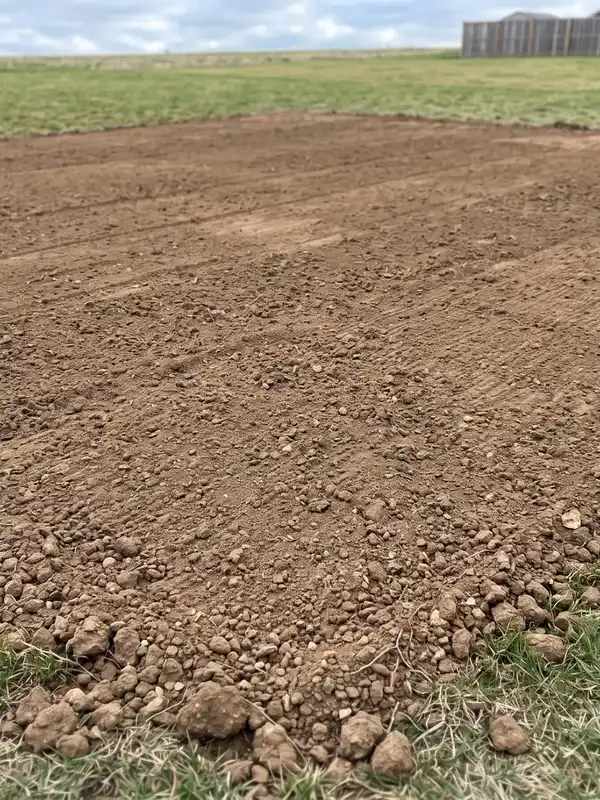
Bulk fill dirt delivered in Kansas City, KS. Brown color.
Starting from $457.54 delivered to Kansas City for 2 tons, our minimum order
Low spots behind a house, a new slab that needs a level base, a retaining wall that wants backfill: ordering fill dirt delivery in Kansas City, KS comes down to getting one clean load of brown, compactable soil to the right spot. MyGravelBuddy sells fill dirt by the ton, and the delivered price for your ZIP is calculated live on this page.
Fill dirt delivery in Kansas City, KS
Kansas City, Kansas has about 157,000 residents and a lot of older lots with grade problems: washed-out side yards, sunken utility trenches, and backyards that slope toward the foundation. Fill dirt is the cheap structural layer for all of that. Think of it as the bulk you build up with, then cap with something better.
Two tons is the minimum, and the price per ton eases as the order gets bigger, so one larger load usually beats two small ones. For the logistics behind drop-off, see delivery in Kansas City. If you are comparing across the state, the Fill Dirt in Kansas hub lists every city we serve.
Where Kansas City projects put fill to work
- Backfilling around foundations and walls: brown fill packs in thin lifts against a wall without the voids that loose rock leaves.
- Raising a low yard: bring a soggy corner up so water runs away from the house instead of pooling.
- Trench and utility repair: refill after a plumber or electrician, then top up as it consolidates.
- Pads for sheds and slabs: a level fill pad, compacted, then a stone cap on top.
When the finished surface needs to drain or bear traffic, the dirt is only the lower layer. A driveway or shed apron usually gets #57 Crushed Stone over the fill, and a patio or dog run can take Pea Gravel as the finish. Both are sold by the ton, like the dirt.
How much fill dirt to order
Measure the length and width of the area in feet, then decide how deep the fill must go in inches. For a Kansas City grade, length times width times depth, divided by 324, gives cubic yards. Our fill dirt is priced and sold in tons, so convert before you order: a cubic yard of this material weighs roughly 1.1 tons. A 20 by 15 foot low spot filled 6 inches deep works out to about 5.6 cubic yards, or around 6 tons.
Skip the mental math and try the calculator, which handles the conversion for you. Fresh fill also sinks as it is walked on and rained on, so plan a little over your measured depth and finish with a final top-up rather than a second full order.
Getting the load to the right spot
Before the truck arrives, mark where the pile should go and make sure the route is clear of low branches and soft ground. A dump truck needs a firm, open stretch to tip its bed, and a paved driveway or a flat curb-side apron works best. If the yard is fenced or the gate is narrow, say so when you order so the drop point makes sense. Fill spreads quickly with a skid steer, but a wheelbarrow and rake will do for a small pad.
Shaping the grade before you build on it
Where the lots tilt toward the house, the finished surface matters more than the pile itself. Walk the area first and note where water currently stands after a hard rain, because those are the spots that need the most fill. Build the new surface so it falls gently away from walls and foundations, even if that means bringing one side up higher than the other.
Strip sod, roots and loose debris from the area before the first lift goes down. Fill laid over a mat of grass rots underneath and leaves a soft layer that settles unevenly. Where fill meets an existing slope, cut small steps into the old ground so the new material locks in rather than sliding.
Ordering fill dirt in Kansas City
Type in your ZIP, set the tons, and the cart does the rest. The closest cities we list are Overland Park, 8 miles away, and Olathe, 16 miles away.
About Fill Dirt
Fill dirt is brown subsoil taken from below the topsoil layer. It is a mix of clay, silt and sand with very little organic matter, and it is sold here by the ton. Because it holds together when damp and compacts densely, it is the standard choice for raising grade, filling low areas, backfilling around foundations and walls, and building pads before a stone or concrete surface goes on.
Even in Kansas City, fill dirt is not a growing medium. Plants and lawns do poorly in it, so cap it with topsoil if you want grass or beds. It also is not screened, so expect small stones and some clods that break apart as you spread and tamp it.
Handle it in layers: spread, wet lightly, compact, repeat. A cubic yard weighs about 1.1 tons, which is why the order is placed in tons. Delivered price is shown for your ZIP, and larger orders carry a lower rate per ton.
What Fill Dirt costs in Kansas City
Around Kansas City, fill dirt is quoted by the ton with delivery layered in based on distance from the closest yard. Send your ZIP and load size and we will send back a same-hour quote with the truck rate and the per-ton figure spelled out. Plan on roughly 98 sq ft of coverage per ton at 3 inches deep, which puts a single-car driveway in the 4 to 7 ton bracket.
How crews use Fill Dirt in Kansas City
Kansas City contractors keep fill dirt on the order sheet for a short list of standard installs. Top of the list is erosion control, where the material is rolled out in tight urban lots and infill builds and screeded to grade. Right behind that is driveway gravel, common in dense neighborhoods where curb access is short and often paired with edging or fabric below the lift. Kansas City sits at about 156,752 residents, which means we see steady weekday traffic from landscape crews and weekend pickups from owner-builders.
Delivery day in Kansas City
Delivery in Kansas City runs out of the nearest pit; you get a two hour arrival window the evening prior and a call when the driver leaves the scale. Plan for 12 ft of clear path for a tandem and 14 ft for a tri-axle, plus a level area at the dump point so the bed lifts straight. Standard lead time on this lane is Mon-Sat, with same-day windows held open for orders that hit the desk before 11 AM and clear payment.
Related materials we deliver in Kansas City
 Price by ZIP
- SizeScreened, no size grade
- Density2200 lb/yd³
- ColorDark brown
 Price by ZIP
- Density2000 lb/yd³
- ColorDark brown
 Price by ZIP
- Density1000 lb/yd³
- ColorDark brown
Estimate how much you need
Work out your material
A planning figure, not a guarantee. Order roughly a tenth extra to cover settling and uneven ground.
Browse more
Common uses for Fill Dirt in Kansas City
Available in nearby cities
Plan your project
Related guides
 GUIDEGravel Size Chart: Pea Gravel to Crushed StoneA gravel size chart showing pea gravel, crushed stone and river rock diameters side by side, so you can match the right size to your project.Read guide →
 GUIDEThe Different Types of Gravel and How to ChooseA plain-language guide to the main types of gravel, covering pea gravel, crushed stone, river rock and decomposed granite.Read guide →
 GUIDEWhat Are Screenings? A Guide to Crushed Stone FinesScreenings are fine crushed stone used for paver bases, joint fill and walkways. See what screenings are, common types, and mistakes to avoid.Read guide →
 GUIDEWhat to Put Under River Rock for Landscaping BedsHere is what to put under river rock landscaping: a compacted base where needed, then landscape fabric, then rock, to stop weeds and settling.Read guide →
Frequently Asked Questions
What is fill dirt actually made of?
Fill dirt is subsoil dug from below the topsoil layer. It is usually a mix of clay, silt and sand with little organic matter. That makes it stable once compacted, which is why it suits grading and backfill.
Can I plant a lawn directly on fill dirt?
Not with good results. Fill has little organic content, so grass struggles and washes thin. Spread a few inches of topsoil rates for bulk.
How do I compact fill so it does not sink later?
Place it in lifts of about 6 inches, wet each lift lightly, and tamp or run a plate compactor before adding the next. Dumping the whole depth at once traps air pockets that collapse after a season of rain. Damp, not muddy, soil compacts best and holds its shape.
What should I do with leftover fill dirt?
Spread it thinly into low spots elsewhere on the property, or keep it piled under a tarp for later settling touch-ups. A small leftover is also handy as a base under a garden path or terrace. Break up any clods first so the second use compacts as evenly as the first job did.
Does fill dirt contain rocks or debris?
It can include small stones and clods, since it is not screened like topsoil. A Kansas City load should not contain trash or construction waste. Break up large clods as you spread, and pull out any oversized rocks before compacting so they do not leave soft spots under a slab.
Can I split an order between two spots on my property?
Yes, if both spots are reachable by the truck, since the pile is dropped in one place. Plan to move part of it yourself with a wheelbarrow or skid steer. Estimate the tons for each area separately, add them, and place a single order for the total.
What can I build on a fill dirt pad?
Light structures like sheds and small slabs are common, provided the fill is compacted in lifts. Anything carrying heavy loads, such as a garage or addition, should follow an engineer's or inspector's specification for compaction rather than a general rule of thumb.
Should I cover the pile if rain is coming?
Yes, a tarp weighted at the edges keeps a pile from turning to mud and washing across the pavement. Soaked fill is heavy, slow to spread and hard to compact until it dries back to a damp state. If the pile does get soaked, spread it thin and let it drain before tamping.