
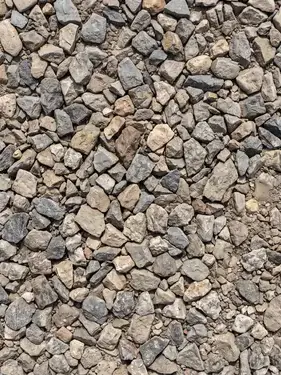
Driveway Gravel in Baltimore, MD: Materials and Delivery
Material picks, pricing, and pro tips for driveway gravel projects in Baltimore, MD.
Choosing driveway gravel in Baltimore, MD starts with the ground under the drive. Rowhouse alley pads, Hampden side lots and long rural-style drives in the outer neighborhoods all ask for a different stone. This page covers the options on our Driveway Gravel hub as they apply here, so you can match a material to your lot and order by the ton.
What a Baltimore driveway has to handle
Many Baltimore properties sit on sloped, clay-heavy ground, and city lots are often narrow with little room to stage material. A gravel drive here carries daily car traffic, sheds rain toward the street or alley, and takes a beating when winter freezes and thaws loosen the surface. Plan for a stable base first and a clean top layer second.
Choosing the stone for the surface and the base
Four materials suit this job, and all four are sold by the ton.
- Crusher Run packs tight with its mix of stone and fines, which makes it the usual pick for the main body of a drive.
- Class 5 Base is a graded base layer, good under a finish stone on soft or wet ground.
- #57 Crushed Stone is clean, open stone. It drains fast and works as a top dressing or where water collects.
- Asphalt Millings bind together under traffic and suit long, plain drives where a darker, firmer surface is wanted.
A common build puts Class 5 Base or Crusher Run down first and tops it with a thinner layer of the stone you like to look at.
How much driveway gravel to order in Baltimore, MD
For a typical single-family drive, plan on a compacted base of about 4 to 6 inches and a surface layer of about 2 inches. Measure the length and width of the drive in feet and multiply by the depth in inches. Divide by 324 to get cubic yards, then convert to tons for the material you picked. Our gravel driveway calculator does that conversion for you.
For a Baltimore drive, the smallest order is 2 tons. Most Baltimore drives need well past that, and larger orders get a lower rate per ton, so one combined order for base and top layer usually costs less per ton than two small ones.
Local conditions that affect the build
Pay attention to where water goes. Slope the finished drive so rain runs off to a side ditch, a lawn or a drain instead of toward the garage or a neighbor. Heavy clay holds water, so a thicker base pays off on those lots. Spring is the busiest season for rutted, washed-out drives, so many owners schedule the work after the ground has dried out in late spring or in early fall.
Delivery and getting started
Gravel arrives by truck, so check overhead wires, parked cars and the width of your curb cut before you choose a drop spot. Tight city streets may limit where the truck can stop; see delivery in Baltimore for how it works in this area. Enter your ZIP on any material page and the delivered price appears right there, with no guessing at fees.
About Driveway Gravel projects
A gravel driveway is a layered surface built from a compacted base stone and a thinner top layer, shaped so water runs off. In Baltimore, with its clay soils and tight lots, the right material and a solid base decide whether the drive stays smooth or ruts out within a couple of seasons.
Recommended materials for driveway gravel

How a driveway gravel project goes
- Mark the drive and measureStake the outline and measure length and width in feet. Note any bends or widened parking pads, since each adds area. Good numbers at this stage prevent a short load later, and they make the order simple to enter into the calculator.
- Excavate and grade the subgradeRemove sod, topsoil and soft spots to firm ground, usually 6 to 8 inches below finished height. Shape the subgrade with a slight crown or cross slope so water leaves the drive, then compact it with a plate compactor before any stone goes down.
- Spread and compact the basePlace Class 5 Base or Crusher Run in layers of about 2 to 3 inches, wetting lightly and compacting each pass. Keep the crown consistent as you go. A well-compacted base is what keeps tire ruts from forming once cars start using the drive.
- Add the surface layerSpread about 2 inches of your chosen top stone, such as #57 Crushed Stone, or finish with Asphalt Millings if you want a bound surface. Rake it level, check the slope with a string line, and fill low spots before the final pass.
- Edge, compact and finishSet edging along the sides, make a last pass with the compactor and clean up stray stone from the lawn or street. Keep heavy loads off the drive for a few days, and rake the surface occasionally to keep the crown intact.
Estimate your material
Work out your material
A planning figure, not a guarantee. Order roughly a tenth extra to cover settling and uneven ground.
Driveway gravel in Baltimore's climate
In Baltimore, the local climate shapes which driveway gravel materials hold up over a full year. Mixed mid-Atlantic with humid summers and moderate freeze. Standard crushed stone specs apply. For driveway gravel work specifically, that means choosing material that handles local moisture and traffic loads without re-dressing every season.
The small market profile of Baltimore also shapes how a project runs. Most jobs are residential, with the occasional school or municipal project. Truck access is usually wide and turnarounds run fast.
Where we deliver driveway gravel material in Baltimore
Our delivery footprint around Baltimore covers the core city plus a typical 35-mile radius. Recent driveway gravel drops have included:
- older single-family blocks in and around Baltimore
- newer subdivisions on the outskirts in and around Baltimore
- commercial pad sites near the freeway in and around Baltimore
- horse properties on the rural edge in and around Baltimore
If your address is outside that radius, send your ZIP through the contact form and we will confirm coverage within an hour.
Pricing for driveway gravel in Baltimore
Here is what the recommended driveway gravel materials are running in Baltimore right now. Full-truck orders (16 tons or more) typically save 15 to 20 percent off these per-ton rates.
| Material | Price from |
|---|---|
| #57 Crushed Stone Delivery in Baltimore, MD | Quote on request |
| Crusher Run Delivery in Baltimore, MD | Quote on request |
| Asphalt Millings Delivery in Baltimore, MD | Quote on request |
| Class 5 Base Delivery in Baltimore, MD | Quote on request |
Browse more
Recommended materials in Baltimore
Same project in nearby cities
Tools to plan your project
Related guides
 GUIDEWhat Are Screenings? A Guide to Crushed Stone FinesScreenings are fine crushed stone used for paver bases, joint fill and walkways. See what screenings are, common types, and mistakes to avoid.Read guide →
 GUIDEWhat to Put Under River Rock for Landscaping BedsHere is what to put under river rock landscaping: a compacted base where needed, then landscape fabric, then rock, to stop weeds and settling.Read guide →GUIDEHow to Clean River Rock and Restore Its ColorLearn how to clean river rock landscaping with rinsing, soap and vinegar methods, plus common mistakes to avoid for a brighter, longer lasting rock bed.Read guide →
 GUIDEHow to Lay a Gravel Driveway: Step-by-Step GuidePractical, field-tested guide: how to lay gravel driveway. Pulled from real US installer notes and 2026 supplier price data.Read guide →
Frequently Asked Questions
How do I compact a gravel driveway?
Spread the stone in thin lifts instead of one deep pile, and lightly wet each lift so the fines bind. Run a plate compactor or a rented roller over it until the surface stops shifting under foot. Hand tamping works only on very small pads. Expect a little settling after the first few weeks of traffic, then rake and fill low spots.
Can I use only one material for the whole drive?
Yes, Crusher Run alone makes a solid drive on firm ground, since it locks together as it compacts. A two-layer build lasts longer on wet or clay soil, because the base carries the load and the cleaner top stone sheds water and looks neater. Pick one material only if the budget is tight and the ground is dry.
Which stone drains best for a wet driveway?
#57 Crushed Stone has the most open spaces between pieces, so water passes through quickly. It does not pack as firmly as Crusher Run, so it works best over a compacted base. Pairing the two gives you a firm foundation and a surface that does not hold puddles after a storm.
Are asphalt millings a good choice for a long drive?
Millings are a good fit for long, straight drives because they bind into a firm, darker surface once rolled and warmed by the sun. They work best with a compacted base underneath and a little crown for drainage. Expect to rake and top up the edges now and then, as with any loose-fill surface.
Can I spread the gravel myself?
On a short drive, yes. A wheelbarrow, a landscape rake and a flat shovel are enough, and working from the far end back toward the street keeps you off the finished stone. A long or wide drive goes faster with a skid steer or a small tractor, and many owners rent one for a day instead of moving the pile by hand.
Do I need to remove the old surface first?
Strip grass, topsoil and loose debris down to firm ground. If an old gravel drive is still sound, you can rake it level and add new stone on top. Where the old surface is mostly mud or has deep ruts, dig it out and start with a fresh base so the new layers do not sink.
Should I add landscape fabric under the gravel?
Woven geotextile fabric helps on soft, silty ground because it keeps the base stone from sinking into the soil and slows weeds. On firm, well-drained Baltimore ground, it is optional. Lay it flat with overlapping seams, then spread the base stone on top without driving a loaded truck across it first.
What edging keeps gravel in place?
Stone creeps sideways under tires, so an edge helps. Steel or heavy plastic edging, pressure-treated timbers or a line of larger rock all hold the sides. Keep the finished surface slightly below the top of the edging so loose stone does not spill onto the lawn or sidewalk.