
Compost Delivery in Bridgeport, CT
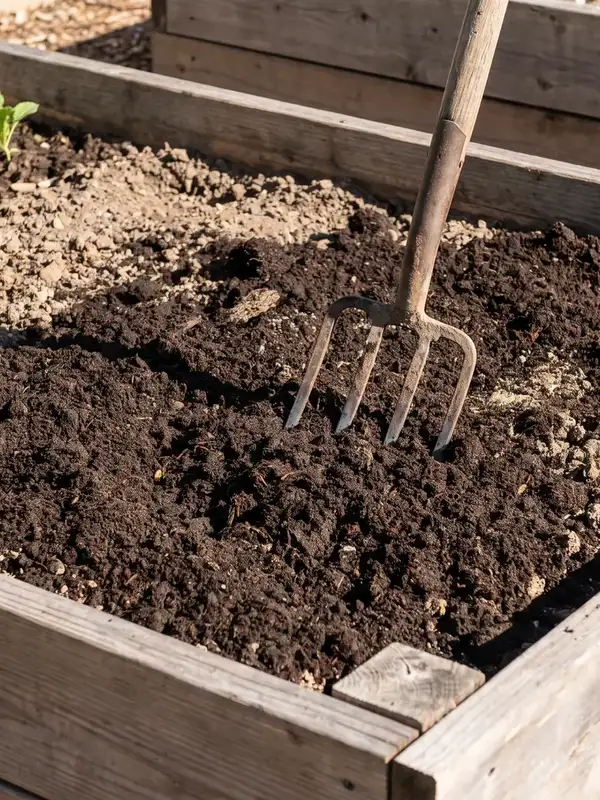
Bulk compost delivered in Bridgeport, CT. Dark brown color.
Starting from $538.95 delivered to Bridgeport for 2 yards, our minimum order
Bridgeport has a lot of small growing spaces: backyard raised beds, narrow side lots, tree belts and the occasional community plot. Compost delivery in Bridgeport, CT puts dark, finished compost on your driveway by the cubic yard, so you can stop hauling bags from the car. Here is how the ordering works and how to size a job.
Compost for a city of small lots
With a population of about 150,000, Bridgeport is dense, and most yards are modest. A homeowner here rarely needs a truckload, but two cubic yards is the smallest order we take, and it goes a long way on a few beds. Contractors planting a commercial strip or regrading a lawn will want more. Compost in Connecticut covers the wider state if you are comparing nearby towns.
Where compost earns its keep
Raised beds and vegetable gardens
Blend compost into the top few inches of native soil, or mix it about one part to two parts topsoil in a bed. Coastal Connecticut soil often runs sandy near the water and heavy with clay a little inland, and compost helps both: it holds moisture in the sandy ground and opens up the clay.
Lawn repair and overseeding
A thin layer raked over bare patches before seed gives the grass something to root into. Keep it light, a quarter inch or so, or the seed will struggle to push through.
Mulching around shrubs
Spread a few inches around foundation plantings, keeping it off the stems. It feeds the soil as it breaks down, which wood mulch alone will not do.
Getting compost delivered in Bridgeport
Orders for the city are handled through the page for delivery in Bridgeport. Enter your ZIP and the delivered price appears live, so you see the real number before you commit. Bridgeport compost orders that grow in size drop to a lower rate per cubic yard. The truck tips the load in one pile, so pick a flat spot where the driver can back in and where a pile of damp compost will not sit against a wall or fence. Plenty of Bridgeport streets are tight, so tell the driver about overhead wires, parked cars or a steep curb cut in your order notes.
Nearby towns include Fairfield at 3 miles, Easton at 6 miles, Redding at 12 miles and Danbury at 17 miles.
How much compost you need
Measure the bed length and width in feet, decide the depth in inches, and divide by 324 to get cubic yards. A 10 by 20 foot garden worked in at 3 inches comes to just under 2 cubic yards. Round up a little, because a pile that comes up short means a second delivery. For an odd-shaped bed, the calculator will do the arithmetic once you type in your own length, width and depth.
Pairing compost with other materials
Compost rarely works alone on a project. Garden paths often get a base of #57 Crushed Stone under a finer top layer, and a driveway apron can be built from Asphalt Millings. Stone and millings are weighed in tons, so total them apart from your compost yardage.
Spreading and settling
Fresh compost sits fluffy on the surface and drops noticeably over the first few weeks as it settles and the rain works it into the soil. Bridgeport beds near the harbor can also take salt spray, so a layer of compost over the soil helps buffer plants that are sensitive to it. Work from the far end of a bed back toward the pile, and use a flat rake to level it. For a large bed, a few full wheelbarrow loads at a time are easier on the back than shoveling from a pile all afternoon.
Buying for a project crew
Landscapers working several Bridgeport properties in a season can order one load per site instead of stockpiling. That keeps compost fresh and avoids storing a pile on a client's driveway longer than they would like. A written note of the final cubic yard figure for each address also keeps the invoices tidy.
About Compost
Compost is decomposed organic matter, screened to a crumbly, dark brown texture with an earthy smell. It is not a fertilizer in the bag sense. Instead it improves how soil holds water, drains and feeds roots over a full season. Because it is sold by the cubic yard, a delivered order is measured by volume, and a cubic yard weighs roughly 1,000 pounds when moist. Use it as a soil amendment in beds, a top dressing on lawns, or a mulch layer beneath shrubs. Keep the pile covered with a tarp if rain is expected before you spread it, and avoid piling it against wood siding.
What Compost costs in Bridgeport
In the Bridgeport market, compost is sold by the ton and priced at the gate before delivery is added on. Send your ZIP and load size and we will send back a same-hour quote with the truck rate and the per-ton figure spelled out. One ton covers about 216 sq ft at a 3 inch finished depth, so a 400 sq ft driveway pad runs roughly 2 tons.
How crews use Compost in Bridgeport
Crews working out of Bridgeport tend to call for compost on a few repeat jobs each week. The first is planting bed gravel, typically laid in tight urban lots and infill builds with a base lift compacted before the finish course goes on. With a population around 151,599, Bridgeport pulls a mix of single-truck homeowner orders and contractor full-loads through the season.
Delivery day in Bridgeport
On the day of the drop, the dispatcher pulls the closest yard, batches your ticket with other Bridgeport stops, and sends a window the night before. Tandem-axle dumps need at least 12 ft of clear width and 14 ft overhead to set the bed; tri-axles need 14 ft of clearance on both counts and a level pad to tip safely. Standard lead time on this lane is Mon-Sat, with same-day windows held open for orders that hit the desk before 11 AM and clear payment.
Related materials we deliver in Bridgeport



Estimate how much you need
Work out your material
A planning figure, not a guarantee. Order roughly a tenth extra to cover settling and uneven ground.
Browse more
Available in nearby cities
Plan your project
Related guides
 GUIDEHow to Clean River Rock and Restore Its ColorLearn how to clean river rock landscaping with rinsing, soap and vinegar methods, plus common mistakes to avoid for a brighter, longer lasting rock bed.Read guide →
 GUIDEHow to Lay a Gravel Driveway: Step-by-Step GuidePractical, field-tested guide: how to lay gravel driveway. Pulled from real US installer notes and 2026 supplier price data.Read guide →
 GUIDEDoes Gravel Stop Weeds? Honest Answer + What WorksPractical, field-tested guide: does gravel stop weeds. Pulled from real US installer notes and 2026 supplier price data.Read guide →
 GUIDEHow Much Gravel Do I Need? Quick Sizing GuidePractical, field-tested guide: how much gravel do i need. Pulled from real US installer notes and 2026 supplier price data.Read guide →
Frequently Asked Questions
Can I get compost for a small garden in Bridgeport?
Yes. The smallest order is 2 cubic yards, which is enough for several raised beds or a modest vegetable plot. If your space is smaller than that, share the order with a neighbor or use the extra as top dressing around trees and along fence lines over the season.
Can I use compost in containers and planters?
Yes, but blend it with potting soil or topsoil instead of filling a container with compost alone. A mix of roughly one part compost to three parts soil drains well and still feeds the plant. Top up the surface with a thin layer each spring as the mix settles and the nutrients are used.
Is compost the same as topsoil?
No. Topsoil is mineral earth meant to fill and grade, while compost is decomposed organic material meant to feed and loosen what is already there. Many Bridgeport gardeners mix the two for raised beds. Compost alone can be too rich for some seedlings, so blend it in rather than planting straight into it.
How often should I add compost to the same bed?
Once a year is plenty for most vegetable beds, applied in spring before planting. Perennial beds and shrub borders can go a year or two between top-ups. If plants look pale or the soil dries out and crusts over quickly, that is a good sign the organic matter has been used up.
When is the best time to overseed a lawn with compost?
Early fall is the best window, because the soil is still warm and the nights are cooler. Spring works as a second choice once the ground has thawed. Whichever season you pick, keep the seeded area moist until the new grass is up, and hold off on heavy foot traffic.
What should I do with the pile if it rains?
Cover it with a tarp and weigh the edges down. Wet compost is heavy and can wash onto sidewalks or into storm drains, which is a problem on Bridgeport streets. Spread it as soon as the ground is workable, and keep the pile clear of the gutter line.
Does finished compost attract pests?
Finished compost has little odor, so it draws far fewer animals than kitchen scraps or a working compost heap would. Rodents and raccoons mostly go after food waste. Spreading the load within a week or two and keeping it away from bird feeders and trash bins keeps the area quiet.
Is it better to spread compost wet or dry?
Compost is easiest to handle when it is slightly damp, like a wrung-out sponge. Bone dry material blows around and is dusty to shovel, while soaked compost is heavy and clumpy. If the pile has dried out, mist it lightly with a hose before you start, then rake it level.