
Compost Delivery in Pearland, TX by the Cubic Yard
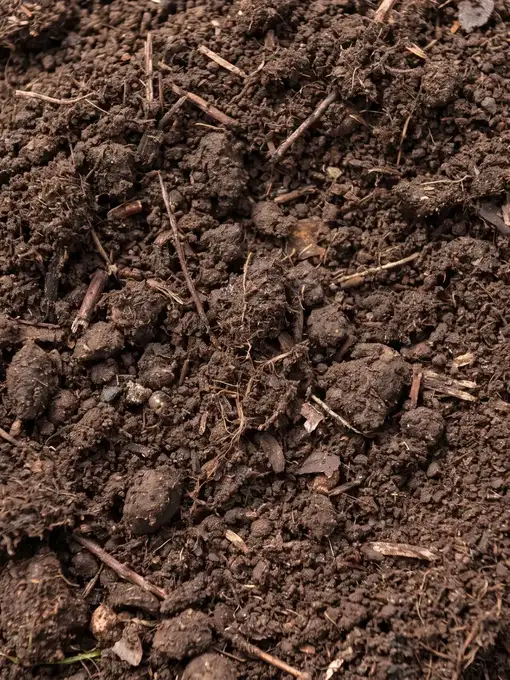
Bulk compost delivered in Pearland, TX. Dark brown color.
Starting from $622.95 delivered to Pearland for 2 yards, our minimum order
Compost delivery in Pearland, TX gives homeowners and small contractors a way to build better soil without tearing up an entire yard. Pearland has about 126,000 residents and sits on the Gulf Coast side of the Houston area, where soils are often heavy and warm for much of the year. Below you will find the soil conditions that matter most here, a volume formula with worked examples, and notes on placing the drop.
Heavy clay and compost delivery in Pearland, TX
Houston is about 14 miles away and Pasadena about 10 miles, so the city shares the same traffic of landscape crews, remodel contractors, and do-it-yourself owners that keeps the wider metro busy. Clay is the soil problem most often raised here. Compost helps clay ground loosen and drain better, which is why it shows up in so many Pearland garden and lawn projects.
Where compost helps Pearland yards
Garden beds with dense, slow-draining ground are the strongest case for compost. Adding it before planting gives shrubs and perennials a looser root zone, and it reduces the sticky, compacted feel that clay develops after a hard rain. Lawns that have thinned along a heavily used path can also be rebuilt with compost, and new sod or seed does better on ground that has been improved first. Narrow planting strips along fences and driveways are another good target, since foot and tire traffic often packs that soil down over the years.
Sloped beds need a slightly different approach. On a grade, work compost into the uphill side in a band rather than spreading it evenly, so the material stays where you put it when water runs down the slope. Terraces or a short retaining edge can help hold the bed in place while the soil settles into its new structure.
Low, wet spots call for a different plan. Compost can improve the soil around them, but if water sits for long periods, pair the planting with drainage material. For those areas, our Pea Gravel is a common choice, while Premium Screened Topsoil is often used to build up grade before a bed or lawn goes in.
Delivery to Pearland addresses
Pearland orders are delivered to the address you give, and the price is worked out for your ZIP. The number you see on the product page already includes delivery, so you can compare it directly with what you planned to spend. You can find the city-level delivery information on our delivery in Pearland page. Keep the order confirmation with your project notes so the quantity and the work it was meant for stay easy to match later on.
Working out your compost volume
Turn the area into cubic yards with one formula: length in feet times width in feet times depth in inches, divided by 324. A 15 by 12 foot planting area at 2 inches deep needs about 1 cubic yard, and a 30 by 20 foot lawn renewal at a quarter inch takes about half a cubic yard. If you prefer not to do the arithmetic, our calculator handles the conversion from your measurements.
Pricing notes for Pearland orders
The rate per cubic yard drops as the order gets bigger. That makes larger jobs such as a full bed renovation or several garden zones at once easier on the budget per yard. Bigger is not always better, though, since leftover material needs somewhere to go and compost is most useful when it is put to work soon after it arrives.
Ordering compost for a Pearland project
Plan the drop spot before the order arrives. Choose a flat, firm area near the bed or lawn, and keep it clear of tree roots, sprinkler heads, and anything a delivery vehicle could crush. Make sure the route in is open and that a wheelbarrow can cross it without a long detour.
Settle on the volume first, then add the cubic yards to your cart and continue to checkout. Projects that include a walking path often add Pea Gravel or a crushed base alongside the compost, and each material is priced on its own page. Browse all of our Texas compost options from the Compost in Texas hub. If the project is large enough to split across several zones, plan each zone separately so that no single bed ends up with a surplus.
About Compost
Compost is organic matter that has been broken down by microbes until it becomes a dark brown, crumbly material. Good compost smells earthy rather than sour, and it holds its shape only loosely when you squeeze a handful. Its fine texture is what lets it blend into existing ground instead of sitting on the surface as a separate layer.
The most useful property of compost in soil is its effect on structure. Clay particles bind together into larger crumbs, which opens up pore space for water and air. In sandy or fast-draining ground, the same organic matter holds moisture and nutrients that would otherwise wash away. Over time the material continues to decompose slowly, so it keeps supplying organic matter long after it was first worked in.
Compost should not be confused with a synthetic fertilizer. It contributes organic matter and a modest amount of nutrients, and it does not deliver a fixed, measured dose of any single element. Think of it as a soil conditioner that improves the ground your plants already grow in, rather than a quick feed that gives a sudden green flush.
What Compost costs in Pearland
Local Pearland yards quote compost by the ton; the delivered number includes fuel, the truck, and the haul. Send your ZIP and load size and we will send back a same-hour quote with the truck rate and the per-ton figure spelled out. A ton of this material spreads across about 216 sq ft when laid 3 inches deep, useful when you are sizing a patio base or a walkway run.
How crews use Compost in Pearland
In and around Pearland, compost shows up most often on two project types. The most common deployment is planting bed gravel, often in tight urban lots and infill builds in two to three inch lifts. At roughly 125,817 people, the Pearland order mix leans toward 3 to 8 ton residential drops with the occasional 16 ton job for a contractor.
Delivery day in Pearland
A typical Pearland drop is dispatched from the closest yard with a two hour window and a heads-up call once the truck is loaded. Tandem trucks want a 12 ft lane in and out; tri-axles need 14 ft, and both want firm ground at the tipping spot so the load releases cleanly. Standard lead time on this lane is Mon-Sat, with same-day windows held open for orders that hit the desk before 11 AM and clear payment.
Related materials we deliver in Pearland



Estimate how much you need
Work out your material
A planning figure, not a guarantee. Order roughly a tenth extra to cover settling and uneven ground.
Browse more
Available in nearby cities
Plan your project
Related guides
 GUIDEWhat Size Crushed Stone Goes Under a Concrete SlabMost slabs need 4 to 6 inches of compacted crushed stone underneath. What size crushed stone under a concrete slab needs, and why it matters.Read guide →
 GUIDEWhat Is Crushed Stone? Sizes, Uses and Buying BasicsCrushed stone is quarried rock crushed and screened into angular pieces sold by the ton. Here is what it is, how it is graded, and where to use it.Read guide →
 GUIDEHow Much Does Gravel Cost? A Practical Pricing GuideHow much does gravel cost and why does it vary? See the real factors behind ton pricing, delivery, and order size before you buy.Read guide →GUIDEGravel Size Chart: Pea Gravel to Crushed StoneA gravel size chart showing pea gravel, crushed stone and river rock diameters side by side, so you can match the right size to your project.Read guide →
Frequently Asked Questions
What depth of compost should go into a new Pearland planting bed?
A layer of 2 to 3 inches, worked into the top several inches of the native clay, is a common starting point. Going much thicker can create a soft pocket that holds water and sits differently from the ground around it. Blend it in well so the bed grades gradually into the soil beneath.
Can I sow seeds directly into compost?
Not in a pure bed. Compost on its own dries quickly at the surface and can form a crust that slows seedlings coming up. Blend it into the native soil first, then sow into the mixed ground, and keep the top moist until the seeds have sprouted.
Can I topdress a Pearland lawn with compost in the fall?
Yes, a light topdressing can go on at any point the lawn is actively growing. Rake the material so it falls into the turf rather than sitting in clumps, and keep the layer thin so the grass blades still show. Avoid applying a heavy coat to dormant or stressed turf, because it can trap moisture against the crowns.
Is compost a good choice for a raised bed?
Yes. Raised beds usually start with a filler soil, and compost blended into that mix adds organic matter and improves the planting medium. A bed built from compost and topsoil is a popular combination for vegetables and flowers, since each material covers a different job in the mix.
How close to a foundation can I put compost?
Keep compost a few inches back from the foundation and away from siding and weep holes. Piling material high against a wall can hold moisture where it should drain, and it can create a path for pests. Keep the bed sloping away from the house so water runs off instead of pooling at the wall.
Does a Pearland bed need compost added every year?
Usually a refresh helps. Organic matter breaks down over time, so the benefit of one application fades gradually. Many gardeners add a fresh layer each season to keep the structure open, especially in beds that get heavy use or rain. A new application is usually lighter than the first, since the ground already has some organic matter in it.
Can I mix compost with soil I dug out of the yard?
Yes, for planting beds. Remove rocks, roots, and debris from the dug soil, then blend it with compost in roughly equal parts by eye. Native soil from a healthy bed can be improved this way, but soil from a compacted or contaminated area should not be reused.
Does compost attract insects or rodents?
Finished compost is less attractive to pests than fresh food scraps or raw manure. Keep piles away from the house, avoid burying it against wooden structures, and spread it out instead of leaving it in large heaps for long periods. Any unusual smell or heating suggests the material is still breaking down.