
Bulk Compost Delivery in St. George, UT by the Cubic Yard
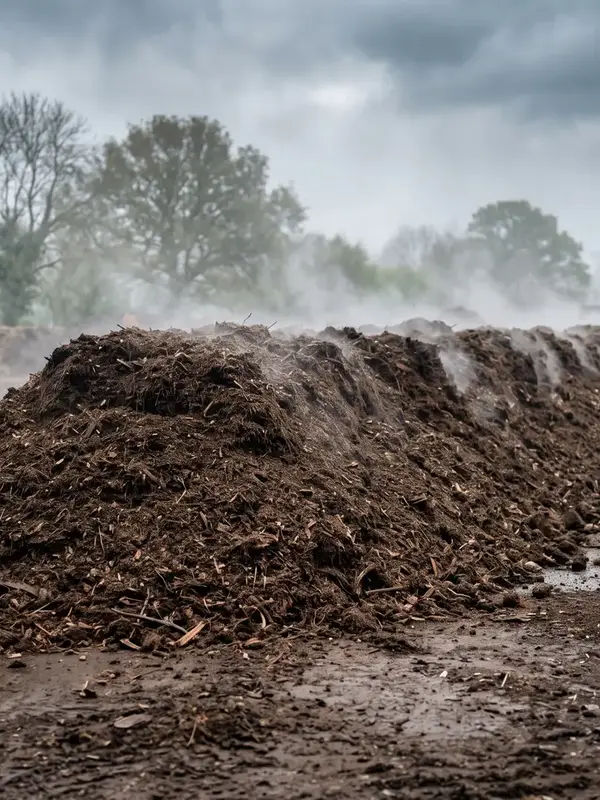
Bulk compost delivered in St. George, UT. Dark brown color.
Starting from $602.39 delivered to St. George for 2 yards, our minimum order
Compost delivery in St. George, UT puts a bulk supply of dark brown organic matter on your property without a trip to a garden center. Compost is sold by the cubic yard, so one order can cover several planting beds, a lawn section or a row of new shrubs. St. George has about 106,000 residents, and many yards here have sandy or fill soil that dries out fast in summer, which is where added organic matter earns its place.
Local conditions that shape your compost plan
St. George sits in the Mojave Desert region of southwestern Utah, where summers run hot and dry and winters stay mild. Many lots have thin topsoil, sandy patches or gravel mixed into the fill from grading, and bare ground sheds water quickly. Organic matter holds moisture in those spots and gives plant roots more to work with, which is why compost is a common upgrade for both new builds and older yards.
Where compost fits in a St. George yard
Planting beds and vegetable gardens get the most out of compost. Work a layer into the top several inches of soil before you plant, then cover the surface to hold moisture. Lawns that look thin after a hot summer can take a light top dressing. New trees and shrubs do better when the planting hole is backfilled with a mix of native soil and compost, which gives roots a looser start.
Compost is the wrong material for a base. A driveway, patio or shed pad needs a layer that packs down under weight, such as #57 Crushed Stone, which is sold by the ton. For a packed path with a darker finish, Asphalt Millings is another ton-sold option.
Estimating your order
Measure the area in feet, multiply length by width, then multiply by the depth in inches and divide by 324. For compost in St. George, the answer is worked out in cubic yards. A bed 12 feet long and 4 feet wide, spread 2 inches deep, comes to about 0.3 cubic yards. Round your total up a little, because compost shrinks once it is watered in and settles against the soil.
If you would rather skip the arithmetic, use the calculator on this site to get a starting number before you place an order.
Compost delivery in St. George, UT: pricing by ZIP
Enter your ZIP code and the delivered price for your order appears on the page. That figure includes delivery, so there is no separate charge to add up later. Larger orders get a lower rate per cubic yard, which makes one bigger order more economical than several small ones for the same site.
Drop spot, access and slope
Pick a firm, level spot as close to the work as the truck can reach safely. Look for low branches, soft lawn edges and gates that must swing wide. Where the lot is graded or sloped, have the load placed near the highest edge of the work area and rake it outward from there, away from low corners where water gathers.
When to plant with compost in St. George
Spring and early fall are the easiest windows here. Summer heat and dry wind pull moisture out of freshly spread material, so spread on a cool morning and water it in the same day.
Planning a phased project in St. George
If the project covers more than one area, split it into stages. Start with the beds you use most, then move to lawn edges and tree rings. Keep a short list of which area got how much, so the next order matches the real footprint instead of a guess.
Raised planters and large containers do well with a blend that leans toward compost but keeps some native soil for weight and drainage. Pure compost in a small pot dries out fast in hot weather and can shrink until roots pull away from the sides.
Ordering compost for St. George
Enter the yardage from your estimate and move on to checkout. The statewide picture is covered on Compost in Utah, and city delivery details sit on delivery in St. George.
About Compost
Compost is a dark and crumbly material with an earthy smell, made by letting yard trimmings, food scraps and other plant matter break down until the original pieces are hard to recognize.
A finished batch holds water well and adds the kind of loose texture that helps both heavy and sandy ground. It works in planting beds, vegetable plots and thin lawn repairs, and it blends easily with native soil.
Batches can differ a little in color and fineness from one delivery to the next. Bulk orders are measured in cubic yards, which makes it simple to compare a small planting project with a larger landscape job.
What Compost costs in St. George
In the St. George market, compost is sold by the ton and priced at the gate before delivery is added on. Send your ZIP and load size and we will send back a same-hour quote with the truck rate and the per-ton figure spelled out. One ton covers about 216 sq ft at a 3 inch finished depth, so a 400 sq ft driveway pad runs roughly 2 tons.
How crews use Compost in St. George
Crews working out of St. George tend to call for compost on a few repeat jobs each week. The first is planting bed gravel, typically laid in tight urban lots and infill builds with a base lift compacted before the finish course goes on. With a population around 106,288, St. George pulls a mix of single-truck homeowner orders and contractor full-loads through the season.
Delivery day in St. George
On the day of the drop, the dispatcher pulls the closest yard, batches your ticket with other St. George stops, and sends a window the night before. Tandem-axle dumps need at least 12 ft of clear width and 14 ft overhead to set the bed; tri-axles need 14 ft of clearance on both counts and a level pad to tip safely. Standard lead time on this lane is Mon-Sat, with same-day windows held open for orders that hit the desk before 11 AM and clear payment.
Related materials we deliver in St. George



Estimate how much you need
Work out your material
A planning figure, not a guarantee. Order roughly a tenth extra to cover settling and uneven ground.
Browse more
Available in nearby cities
Plan your project
Related guides
 GUIDEGravel Size Chart: Pea Gravel to Crushed StoneA gravel size chart showing pea gravel, crushed stone and river rock diameters side by side, so you can match the right size to your project.Read guide →
 GUIDEThe Different Types of Gravel and How to ChooseA plain-language guide to the main types of gravel, covering pea gravel, crushed stone, river rock and decomposed granite.Read guide →
 GUIDEWhat Are Screenings? A Guide to Crushed Stone FinesScreenings are fine crushed stone used for paver bases, joint fill and walkways. See what screenings are, common types, and mistakes to avoid.Read guide →
 GUIDEWhat to Put Under River Rock for Landscaping BedsHere is what to put under river rock landscaping: a compacted base where needed, then landscape fabric, then rock, to stop weeds and settling.Read guide →
Frequently Asked Questions
Can I order just one cubic yard of compost?
Not through a bulk order. The smallest order is 2 cubic yards, so a single yard is not an option even for a small project. If you only need a few shovelfuls, bagged compost from a garden center is the better match. For a bed, a row of shrubs or a lawn strip, two yards gives you room to spread the material thin and still keep some for the next season.
Is compost the same as topsoil?
No. Compost is decomposed organic matter that you mix into soil or spread thinly on top. Topsoil for grade and compost for structure. A basic soil test can show which one your ground needs more.
Can I spread compost on top of an existing lawn?
Yes, but keep the layer thin, about half an inch at most. A thicker layer can smother grass and stop water from soaking in. If the lawn has bare patches, overseed those spots first, then add the compost so the seed sits in contact with the soil. Thin layers are easier to rake in and recover from quickly.
Why does compost work better across a bed than in one planting hole?
A small pocket of organic material in heavy clay can act like a bowl, holding water around the roots while the surrounding soil stays tight. Spreading compost across the bed and working it into a wider area gives water and roots a more even path. For planting holes, keep the mix close to the native soil ratio so roots do not stop at the edge of the hole.
How long does compost keep improving the soil?
The benefit builds over time and then fades as the material breaks down. A single application usually shows up as looser soil and better moisture for a season or more, depending on how much is worked in and how hot the summer runs. Adding a fresh thin layer once a year keeps soil structure from slipping back. Note how each bed responds so you know how often to refresh it.
Do I need a permit if the load lands on the street?
It depends on where the load lands. A load that sits in a public street, sidewalk or shared easement may need permission from the city, and rules can change. Ask the city before you order if the drop spot is outside your property line. A load on your own driveway or a private lot is usually simpler, as long as the surface can take the weight.
Can I mix compost with mulch?
Yes, but the two do different jobs. Compost goes into the soil or lies thin underneath, while mulch sits on top to slow evaporation and keep weeds down. A common pattern is compost worked into the bed first, then a layer of shredded bark or wood chips over the surface. Keep mulch pulled back a few inches from plant stems and tree trunks so the bark stays dry.
Can I plant seeds directly in fresh compost?
Yes, most seeds sprout well in a fine layer of compost. A thick pile can dry out quickly and crust over at the surface, so press seeds in lightly and keep the top moist until the seedlings are up. Thin the seedlings once they show a few true leaves, and move crowded clumps to a new spot rather than pulling them out.