
Drainage Gravel in Portland, OR: Materials and Delivery
Material picks, pricing, and pro tips for drainage gravel projects in Portland, OR.
What a drainage gravel project in Portland, OR needs
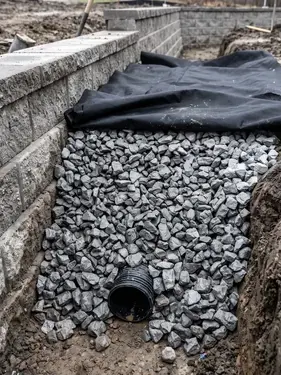
Drainage gravel in Portland, OR has one job: give rainwater and runoff a path out of the ground before it soaks in the wrong place. Common jobs include French drains along a house wall, trenches that catch gutter runoff, low spots in a backyard, and a base under a patio that stays soggy after storms. Each one needs stone that lets water pass through while keeping the trench open, instead of letting soil wash in and clog it. Homeowners fixing a soggy side yard and small contractors grading a lot use the same stone for this work, so the choice comes down to the job rather than the buyer.
Choosing the material and size
Four materials from our Portland lineup suit drainage work. Drain Rock is a clean stone meant for trench fill, and #4 Crushed Stone and #57 Crushed Stone have angular faces that lock together for a firmer base. River Rock is smooth and rounded, which suits exposed drainage where looks matter.
- Drain Rock for trench fill around a drain line
- #4 Crushed Stone for a base that has to stay put
- #57 Crushed Stone for the layer under a path or patio
- River Rock for dry creek beds and open surface swales
Depth, base and how much to order
A drain works best when the stone reaches above the pipe or the wet soil it is meant to catch, so plan the depth from the lowest point you need to drain. Add the base layer you will firm up before the stone goes in. Work out the volume by multiplying length and width in feet by depth in inches, then divide by 324 to get cubic yards. Every material listed here is sold by the ton, and the drainage trench calculator turns that volume into the tonnage you order. Add a little extra for settling, since loose stone packs down once it is wet and walked on.
Local conditions that affect the build
Portland gets long stretches of rain, so a drain that looks fine in a dry month can overflow during a wet week. Heavy clay soil, found in parts of the metro area, holds water close to the surface, which is why a trench often needs to reach below the topsoil. Schedule the digging for a dry stretch so the trench stays open long enough to line and fill. Confirm where the water will go once the trench is full, because a drain with no exit only moves the problem to the next low spot.
Delivery and getting started
Enter your ZIP code on the product page to see the delivered price for your address, calculated live. In Portland, larger orders get a lower rate per ton, and the smallest order is 2 tons. For how orders reach Portland, see our delivery in Portland page. You can also browse the full Drainage Gravel guide before choosing a material.
About Drainage Gravel projects
A drainage gravel project moves water away from a wall, footing, patio or low corner of a yard before it can pool. In Portland the job usually means a trench or French drain filled with clean, open-graded stone wrapped in filter fabric. Material is sold by the ton, and the right size depends on how much water the spot has to shed.
Recommended materials for drainage gravel
How a drainage gravel project goes
- Plan the routeMark the line the water should follow across the yard, then trace it on the ground with a garden hose or spray paint. Seeing the full path before any digging starts makes it easy to catch a bend, a tree root or a low spot you did not expect.
- Dig to depthExcavate the trench to the depth you planned, then clear loose soil from the bottom so the base is firm. A sound base keeps the stone from sinking unevenly, and it is much easier to fix now than after the trench is filled and covered.
- Line and place the pipeLay filter fabric along the bottom and sides of the trench so soil stays out of the stone. If the run is long, set perforated pipe on the base with the holes facing down, and let it run to the exit point you chose during planning.
- Fill with stoneAdd the drainage stone in even layers until the trench reaches the height you planned. Keep an eye on the pipe while you fill so it stays where it was placed, and avoid dumping a single heavy load on one end.
- Cover and finish the surfaceFold the fabric over the top of the stone, then backfill with topsoil and sod or seed. A finished surface that slopes away from the trench keeps new water from sitting on top of the drain and flowing back into it.
Estimate your material
Work out your material
A planning figure, not a guarantee. Order roughly a tenth extra to cover settling and uneven ground.
Drainage gravel in Portland's climate
Picking the right material for a drainage gravel project in Portland comes down to how the climate treats it. Wet winters and dry summers. Stone with strong drainage prevents winter saturation under traffic. For drainage gravel work specifically, that means choosing material that handles local moisture and traffic loads without re-dressing every season.
The small market profile of Portland also shapes how a project runs. Most jobs are residential, with the occasional school or municipal project. Truck access is usually wide and turnarounds run fast.
Where we deliver drainage gravel material in Portland
Our delivery footprint around Portland covers the core city plus a typical 35-mile radius. Recent drainage gravel drops have included:
- older single-family blocks in and around Portland
- newer subdivisions on the outskirts in and around Portland
- commercial pad sites near the freeway in and around Portland
- horse properties on the rural edge in and around Portland
If your address is outside that radius, send your ZIP through the contact form and we will confirm coverage within an hour.
Pricing for drainage gravel in Portland
Here is what the recommended drainage gravel materials are running in Portland right now. Full-truck orders (16 tons or more) typically save 15 to 20 percent off these per-ton rates.
| Material | Price from |
|---|---|
| Drain Rock Delivery in Portland, OR | Quote on request |
| #4 Crushed Stone Delivery in Portland, OR | Quote on request |
| #57 Crushed Stone Delivery in Portland, OR | Quote on request |
| River Rock Delivery in Portland, OR | Quote on request |
Browse more
Recommended materials in Portland
Same project in nearby cities
Tools to plan your project
Related guides
 GUIDEHow Deep Should a Gravel Driveway Be? Layer GuidePractical, field-tested guide: how deep should gravel driveway be. Pulled from real US installer notes and 2026 supplier price data.Read guide →
 GUIDEHow Much Does River Rock Cost? By Ton or YardRiver rock cost depends on your ZIP code, order size, and whether you buy by the ton or the cubic yard. Here is how pricing works.Read guide →
 GUIDEWhat Size Crushed Stone Goes Under a Concrete SlabMost slabs need 4 to 6 inches of compacted crushed stone underneath. What size crushed stone under a concrete slab needs, and why it matters.Read guide →
 GUIDEWhat Is Crushed Stone? Sizes, Uses and Buying BasicsCrushed stone is quarried rock crushed and screened into angular pieces sold by the ton. Here is what it is, how it is graded, and where to use it.Read guide →
Frequently Asked Questions
Does a French drain need filter fabric around the stone?
Yes, in most cases. Filter fabric keeps fine soil from migrating into the open spaces between stones, which is what slowly clogs a drain. That matters in Portland, where wet winters keep soil moving toward the trench. A woven fabric resists tearing when you backfill, while a non-woven fabric filters water more finely. Overlap the fabric edges by about a foot where they meet across the top.
Which stone works best for a dry creek bed?
River Rock is the usual pick for a dry creek bed because its smooth, rounded pieces look like a natural channel. Size it to the flow: in Portland, where a downspout can send a lot of water after a heavy rain, mix larger rounded stones along the center and edges so storm runoff does not push the smaller ones downhill.
What are fines, and why do they matter in drainage stone?
Fines are the small particles of dust, silt and sand that come mixed into crushed stone. They fill the gaps between larger pieces and slow water down, which is the opposite of what a drain needs. Ask for stone with few fines, and keep soil from the yard out of the trench so the open spaces stay open for years.
Can I mix two stone sizes in one trench?
You can, but mixing sizes often backfires. Smaller pieces drop into the gaps between larger ones and reduce the room water has to move. A common approach is to keep one drainage stone for the zone where water flows, and keep each size in its own layer instead of blending them together in the trench.
What is the difference between a French drain and a dry well?
A French drain is a trench that runs in a line and carries water along its length to an exit point. A dry well is a pit filled with stone that collects water from one spot and lets it soak down into the soil. A dry well suits a single downspout, while a French drain handles water spread across a wider area.
Can I plant over a drainage trench?
Shallow-rooted plants and grass are the safest choice over a drain, since they will not reach down to the pipe or stone. Keep trees and large shrubs a respectful distance from the line, because roots look for moisture and can work into a perforated pipe over time. Ground cover is a good middle ground for the strip above the trench.
How long does drainage gravel last?
The stone itself does not wear out under normal use, because it is rock that does not break down with water. Most drains fail for a different reason: soil and silt slowly fill the open spaces or the fabric tears during backfill. Good fabric and clean stone are what keep a drain working for many years.
Is a perforated pipe always needed in a drainage trench?
No. A short trench that drops water into a stone-filled pit can often work with stone alone. Longer runs usually benefit from perforated pipe, since the pipe moves water quickly along its length and keeps it from pooling in one section. If you are unsure, the length of the run and how much water it has to carry are the two things to weigh.