
Compost Delivery in Glendale, AZ
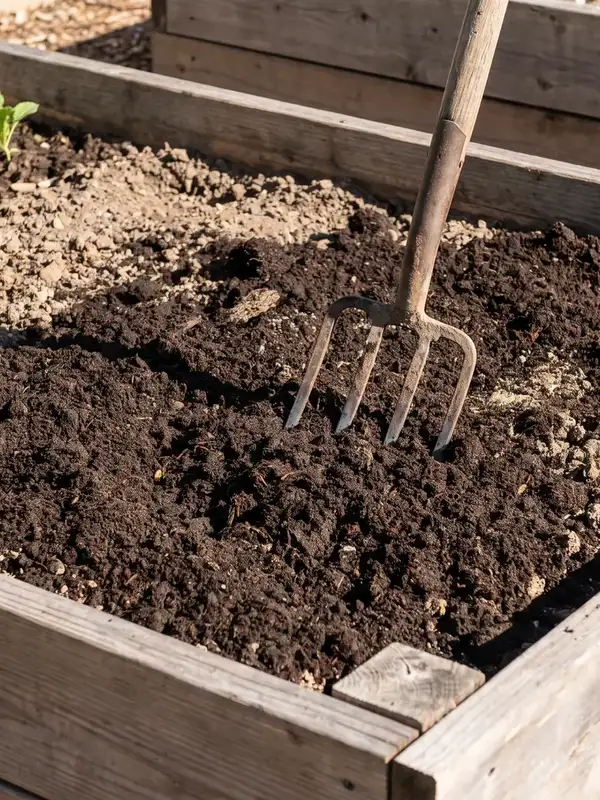
Bulk compost delivered in Glendale, AZ. Dark brown color.
Starting from $532.35 delivered to Glendale for 2 yards, our minimum order
Compost delivery in Glendale, AZ for yards of every size
Glendale spreads from older neighborhoods near the center to newer subdivisions on the edges, and the soil changes with it: tired, compacted beds in the old lots and bare graded dirt in the new ones. Compost delivery in Glendale, AZ is a practical fix for both, bringing organic matter to the ground by the cubic yard rather than by the bag. A city of about 250,000 people has plenty of vegetable beds, shade trees and patchy lawns to feed.
Where compost helps most
Newer lots here often start with hard, graded subsoil that holds little water. Older yards tend to have beds that have been planted for years and need replenishing. Compost works on both.
- Bare new-build yards: work it into the top layer before planting anything.
- Established beds: add a fresh layer each year and let the worms mix it down.
- Vegetable gardens: blend it in before each planting season.
- Shade trees and shrubs: ring the base, well clear of the trunk.
- Patchy turf: rake a thin layer over thin spots before overseeding.
If a lot needs fill or leveling before any of that, Premium Screened Topsoil builds the base and compost improves it. For a clean path or a dry creek bed between planting areas, Pea Gravel is an easy partner. Their quantities are in tons, a different measure from the yards of compost.
Sizing your order
Take the length and width of each bed in feet, pick a depth in inches, multiply the three, and divide by 324. That gives cubic yards. A new-build backyard planted from scratch will use far more than a single vegetable plot, so measure every zone before you decide. Adding a small cushion is sensible for fresh loose material, which packs down once it is watered. The calculator will do the sums if you enter each area one at a time.
An order must be at least 2 cubic yards. As a rule of thumb, a yard of compost weighs about 1,000 pounds, which is why it is measured by volume. The more you order, the lower the rate per cubic yard.
Matching compost to the season
Late winter and early fall are the easy times to amend Glendale beds, because the ground is workable and new plantings are not fighting extreme heat. Spreading compost before a planting window gives it time to settle in, and the roots find a softer, richer layer to grow into. In summer, keep new applications light and water them in early in the day so the material does not bake. Plan any big renovation around your own calendar.
Homeowners with drip systems should keep compost off emitters and pull it back from tubing, since fines can clog small openings. A quick check after the first watering shows whether anything shifted.
Delivery details for the Glendale area
The page on delivery in Glendale has the city-level information. For your own order, the useful details are practical ones: a drop spot on firm ground, a clear approach for a large truck, and no wires or branches overhead. Jobs near the Peoria or Phoenix edges of the city should be entered with the ZIP of the exact address.
If you are working with a landscaper, share the order details so the compost lands where the crew will use it. A pile in the wrong place means a lot of extra shoveling.
How the price is set
Pricing is delivered and calculated live when you enter a ZIP, so the figure on the product page includes the trip to your door. No number is printed on this page, since it would be wrong for some addresses. For wider context on what is offered statewide, see Compost in Arizona.
Care once the pile arrives
Do not let it sit for weeks. Spread it soon after it lands, water it in, and lay it thin where you are topping a lawn.
About Compost
Compost is a dark, crumbly soil conditioner made from composted plant material. Here it is sold by the cubic yard and delivered loose to the address you enter. It adds organic matter to the soil, helps it hold water longer and supports healthy root growth in garden beds, around trees and under lawns.
Compost is not topsoil, rather than used alone. Common uses are vegetable gardens, flower borders, tree rings, lawn top dressing and planting holes. Good compost has an earthy smell, a uniform brown color and no large chunks of wood or plastic.
Enter your ZIP to see the delivered price on the page. Glendale compost orders begin at 2 cubic yards, and bigger loads drop to a lower rate per cubic yard.
What Compost costs in Glendale
Around Glendale, compost is quoted by the ton with delivery layered in based on distance from the closest yard. Send your ZIP and load size and we will send back a same-hour quote with the truck rate and the per-ton figure spelled out. Plan on roughly 216 sq ft of coverage per ton at 3 inches deep, which puts a single-car driveway in the 3 to 5 ton bracket.
How crews use Compost in Glendale
Glendale contractors keep compost on the order sheet for a short list of standard installs. Top of the list is planting bed gravel, where the material is rolled out in tight urban lots and infill builds and screeded to grade. Glendale sits at about 248,325 residents, which means we see steady weekday traffic from landscape crews and weekend pickups from owner-builders.
Delivery day in Glendale
Delivery in Glendale runs out of the nearest pit; you get a two hour arrival window the evening prior and a call when the driver leaves the scale. Plan for 12 ft of clear path for a tandem and 14 ft for a tri-axle, plus a level area at the dump point so the bed lifts straight. Standard lead time on this lane is Mon-Sat, with same-day windows held open for orders that hit the desk before 11 AM and clear payment.
Related materials we deliver in Glendale



Estimate how much you need
Work out your material
A planning figure, not a guarantee. Order roughly a tenth extra to cover settling and uneven ground.
Browse more
Available in nearby cities
Plan your project
Related guides
 GUIDEWhat Size Crushed Stone Goes Under a Concrete SlabMost slabs need 4 to 6 inches of compacted crushed stone underneath. What size crushed stone under a concrete slab needs, and why it matters.Read guide →
 GUIDEWhat Is Crushed Stone? Sizes, Uses and Buying BasicsCrushed stone is quarried rock crushed and screened into angular pieces sold by the ton. Here is what it is, how it is graded, and where to use it.Read guide →
 GUIDEHow Much Does Gravel Cost? A Practical Pricing GuideHow much does gravel cost and why does it vary? See the real factors behind ton pricing, delivery, and order size before you buy.Read guide →GUIDEGravel Size Chart: Pea Gravel to Crushed StoneA gravel size chart showing pea gravel, crushed stone and river rock diameters side by side, so you can match the right size to your project.Read guide →
Frequently Asked Questions
Is compost a good fix for a new-build yard in Glendale?
Yes, it is one of the best fixes. Graded subsoil is usually compacted and low in organic matter. Spread a few inches and blend it into the top layer of soil before planting. Plan irrigation at the same time, because amended soil still needs steady watering to establish plants.
How often should I add compost to a garden bed?
Once a year is typical, applied before the main planting season. Heavy feeders such as tomatoes and squash may benefit from a second light layer mid-season. If plants are healthy and the soil stays loose, you can skip a year and watch how the bed performs.
Will compost wash away in a storm?
Loose compost can move on slopes during heavy rain. On a grade, spread it thinly and mix it in, or cover it with a coarser mulch. On flat beds the risk is small. Avoid piling it against a wall or fence where water could carry it away.
Can I plant straight into compost?
Pure compost is rich, and plant roots may struggle in it. Mix it with native soil or topsoil before planting. A ratio of about one part compost to two or three parts soil suits most garden plants and still keeps the mix well drained.
Does compost attract pests?
Finished compost seldom does, since the food scraps that draw rodents are long broken down. Spreading the pile promptly and keeping a tarp over any part that waits keeps dogs and birds from digging in. A sour smell means the material is not fully finished, so spread it thin and let it air out.
How do I keep weeds from sprouting in the compost?
Finished compost has few weed seeds, but wind can bring more. A layer of mulch on top helps, and so does pulling seedlings early. Keep the pile covered with a tarp if it will sit for several days before you spread it.
Can I put compost on top of existing mulch?
Pull the old mulch aside, spread the compost on the soil, then put the mulch back over it. Compost under mulch stays moist and works down into the soil, while compost sitting on top of bark dries out and gets scattered by wind and watering.
Can I use compost in containers?
Blend it with potting soil rather than filling a pot with compost alone, since it packs down and holds too much water by itself. Top up each spring with a thin layer, and keep the surface a little below the rim so water does not run off the side.