
Compost Delivery in Roseville, CA
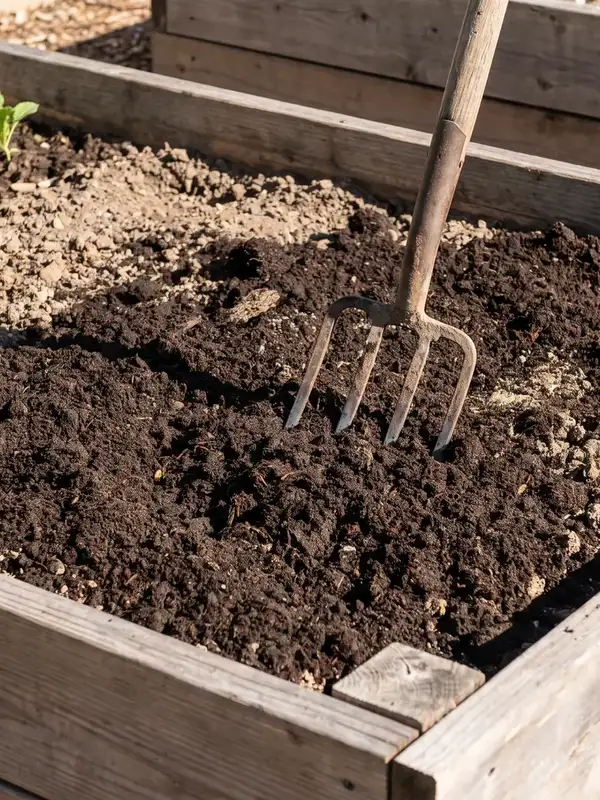
Bulk compost delivered in Roseville, CA. Dark brown color.
Starting from $597.58 delivered to Roseville for 2 yards, our minimum order
Compost for Roseville beds, lawns and trees
Roseville's newer subdivisions often sit on graded lots where the topsoil was stripped or compacted during construction, and a few inches of compost goes a long way toward fixing that. MyGravelBuddy brings compost delivery to Roseville, CA as a loose bulk load measured in cubic yards, ready to shovel into place. With about 163,000 people in town, plenty of yards are young enough that the soil work is still ahead of them.
Good jobs for a load of compost
- Filling new raised beds, blended with native soil so they do not slump.
- Planting holes for young trees and hedges along a new fence line.
- Reviving a lawn that struggles on thin, hard-packed ground.
- Mulch-style layers over drip lines in perennial borders.
Hot Central Valley summers pull moisture out of bare soil quickly. A layer of compost slows that loss, and it gives roots a looser place to grow than packed builder fill.
Measuring the pile you need
Start with each area on its own: length times width in feet. Pick a depth in inches, multiply, and divide by 324 for cubic yards. If you would rather skip the arithmetic, the calculator handles it for you. Because compost breaks down and compresses over the first season, many gardeners add a small cushion so beds still look full by fall.
A Roseville compost order starts at 2 cubic yards. A yard covers a lot of ground at the thin depths used for lawns, so a modest property rarely needs more than a few.
Getting it to your Roseville address
The truck tips the load in one heap, so choose a flat, firm spot with clear space above it. A driveway apron works well, and a tarp underneath keeps the pad clean for the move to the beds. The page for delivery in Roseville explains how service reaches the city. Sacramento (17 mi) and Elk Grove (22 mi) are nearby, but each address is priced for its own ZIP, so enter yours rather than assuming a neighbor's cost.
What else goes with compost
Compost handles the soft side of a yard. For hard edges, drainage trenches or a path through the garden, #57 Crushed Stone gives a clean, free-draining base. If a driveway or work area next to the garden needs a firm surface, Asphalt Millings packs down tight. For a stone or millings job beside the beds, order those by the ton and size the compost on its own cubic yard count.
Planning around Roseville weather
Spring and fall are the easiest seasons to prep beds here, with soil that is workable and not baked. In July and August, a fresh compost layer needs steady watering to earn its keep, so time the delivery for when you can actually get it spread. Winter rain can turn an uncovered pile into a heavy, soggy mound, so cover it if wet days are coming.
New homeowners often tackle the whole yard in one weekend. Start with the plant beds nearest the house, then do trees and lawn, so the most visible areas come together first.
Reading the price
You will see one delivered price for your ZIP. Bigger orders carry a lower rate per cubic yard, which is useful when you are covering several beds at once. If you are gathering ideas for other parts of the state, our page on Compost in California lists where else the material is offered. When the quantity looks right, place the order online.
Applying it after the drop
Spread compost in dry weather when it is easy to rake, and work it into the top few inches of beds so it bonds with the soil below. For established shrubs and perennials, lay it on top and leave a gap around the stems. Water it in once, then let the soil settle. Wheelbarrows and a flat shovel move a yard faster than most people expect, especially with two people sharing the work.
Lawns need a lighter hand. Rake a thin pass over the grass until the blades show through, then water. Heavy piles smother turf and leave yellow patches that take weeks to recover.
About Compost
This compost is a dark, crumbly soil conditioner made from broken-down organic material. It looks like rich brown dirt, smells earthy rather than sour, and weighs about 1,000 lb per cubic yard, which is why it is measured by volume and not by the ton. Gardeners use it to loosen heavy ground, add organic matter to thin soil and feed beds over a season. It is an amendment, so it works best blended with existing soil. Orders start at 2 cubic yards, and the delivered price is calculated live for the ZIP you enter.
What Compost costs in Roseville
In the Roseville market, compost is sold by the ton and priced at the gate before delivery is added on. Send your ZIP and load size and we will send back a same-hour quote with the truck rate and the per-ton figure spelled out. One ton covers about 216 sq ft at a 3 inch finished depth, so a 400 sq ft driveway pad runs roughly 2 tons.
How crews use Compost in Roseville
Crews working out of Roseville tend to call for compost on a few repeat jobs each week. The first is planting bed gravel, typically laid in tight urban lots and infill builds with a base lift compacted before the finish course goes on. With a population around 163,304, Roseville pulls a mix of single-truck homeowner orders and contractor full-loads through the season.
Delivery day in Roseville
On the day of the drop, the dispatcher pulls the closest yard, batches your ticket with other Roseville stops, and sends a window the night before. Tandem-axle dumps need at least 12 ft of clear width and 14 ft overhead to set the bed; tri-axles need 14 ft of clearance on both counts and a level pad to tip safely. Standard lead time on this lane is Mon-Sat, with same-day windows held open for orders that hit the desk before 11 AM and clear payment.
Related materials we deliver in Roseville



Estimate how much you need
Work out your material
A planning figure, not a guarantee. Order roughly a tenth extra to cover settling and uneven ground.
Browse more
Available in nearby cities
Plan your project
Related guides
 GUIDEHow Much Does River Rock Cost? By Ton or YardRiver rock cost depends on your ZIP code, order size, and whether you buy by the ton or the cubic yard. Here is how pricing works.Read guide →
 GUIDEWhat Size Crushed Stone Goes Under a Concrete SlabMost slabs need 4 to 6 inches of compacted crushed stone underneath. What size crushed stone under a concrete slab needs, and why it matters.Read guide →
 GUIDEWhat Is Crushed Stone? Sizes, Uses and Buying BasicsCrushed stone is quarried rock crushed and screened into angular pieces sold by the ton. Here is what it is, how it is graded, and where to use it.Read guide →
 GUIDEHow Much Does Gravel Cost? A Practical Pricing GuideHow much does gravel cost and why does it vary? See the real factors behind ton pricing, delivery, and order size before you buy.Read guide →
Frequently Asked Questions
Is compost good for the heavy soil in Roseville yards?
It helps a great deal. Compost opens up dense, clay-leaning ground so water drains and roots can spread. Dig it in rather than leaving it as a top layer, and repeat a thin application each year. One treatment will not transform builder-compacted soil, but steady additions build it up season after season.
What does finished compost smell like?
Finished compost smells like damp woods or fresh earth. A sharp ammonia odor or a rotten smell means the material is not fully cured, and you should be wary of using it near young seedlings. Dark color, loose crumbly texture and no recognizable scraps are the signs you want to see.
Can I use compost as the only fill in a raised bed?
It is better as part of the mix. Plain compost can dry out, shrink and sometimes hold too many nutrients for certain crops. A common blend is about one third compost with the rest topsoil or similar mineral soil. That keeps structure while still feeding plants through the growing season.
How often should I add compost to a vegetable garden?
Once or twice a year is typical, usually before the main planting season and again if you start a second round of crops. A one to two inch layer worked into the top soil is plenty. Hungry crops like tomatoes and squash can take a little more, but heavy repeated dosing is rarely needed.
Does compost attract rodents or flies?
Finished, fully broken-down compost seldom does. Problems come from piles that still contain food waste. If you want to be careful, keep the delivered pile away from the house and spread it soon. Covering leftover material with a tarp also limits both odor and curious animals.
Can I plant right after spreading compost?
Established plants and transplants can go in right away. Seed does better if you let the layer settle for a day or two and water it lightly first. Fresh, loose compost can dry out unevenly around small seed, so mixing it into the top few inches of soil gives seedlings steadier contact with moisture.
Is it safe to put compost on top of tree roots?
A modest layer is helpful. Keep it a couple of inches deep and pulled back from the trunk so the bark does not stay wet. Piling it against the trunk invites rot and insects. Spreading it out to the drip line feeds the feeder roots where they actually are.
What tools do I need to spread a pile myself?
A flat-edged shovel, a wheelbarrow and a rake cover most jobs. A garden fork helps blend compost into beds. Gloves are worth wearing since the material can be damp and gritty after a delivery.