
Compost Delivery in Broomfield, CO for New Yards
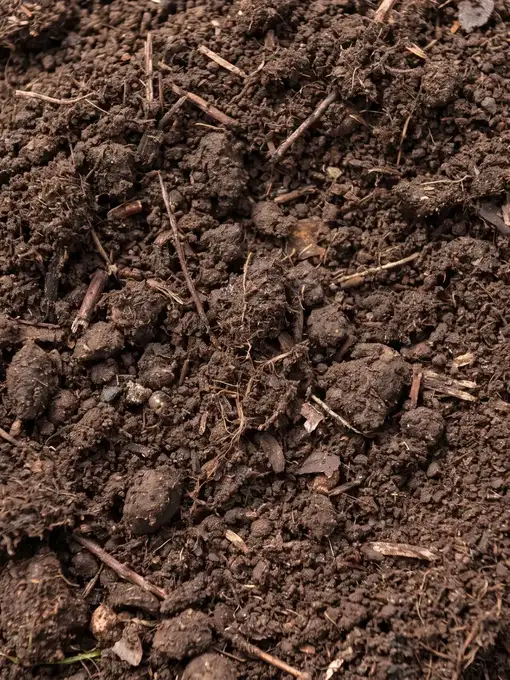
Bulk compost delivered in Broomfield, CO. Dark brown color.
Starting from $522.45 delivered to Broomfield for 2 yards, our minimum order
Compost delivery in Broomfield, CO: what to expect
Broomfield became a city and county in 2001, and many of its yards sit on newer lots where grading left the subsoil close to the surface. Compost delivery in Broomfield, CO gives those yards a dark, crumbly layer that loosens the ground and holds moisture. You order it by the cubic yard, and the delivered price for your own ZIP is shown before you check out.
Pricing notes for Broomfield orders
Compost is sold by the cubic yard, and every order starts at 2 cubic yards. Larger orders get a lower rate per cubic yard, which makes a bigger project cheaper per yard than a string of small top-ups.
Order the full amount in one go when you can. Scattered small orders tend to cost more per yard, and they can leave uneven patches in the bed.
Local overview of Broomfield yards and soil
Broomfield has about 78,000 residents and sits north of Denver, between Boulder and Westminster. Many new subdivisions have thin topsoil over compacted fill, so the first season often brings bare patches and slow-draining beds. Compost fixes both by adding organic matter that the ground can hold onto.
Compacted fill resists a shovel, so loosen the top few inches with a garden fork before the compost goes on. That lets water and roots pass through the new layer into the ground below instead of stopping at a hard line. On a fresh lot, start with the bare patches and the beds closest to the house, then widen out to the rest of the yard once you can see how the soil responds. Seeing a first season of results makes it much easier to judge how much more the remaining areas need.
Winter freezes and thaws can push loose material around, so spread compost in spring or early fall, when you can rake it into place before the ground firms up.
How much compost you need in Broomfield
Use the formula that every bulk order depends on: length in feet times width in feet times depth in inches, divided by 324. The result is cubic yards. A 10 by 25 foot lawn area topped with half an inch of compost comes to about 0.4 cubic yards, so the smallest order of 2 cubic yards would cover several areas like it.
The calculator takes the same measurements and returns the volume for you, which is handy when a yard has several zones with different depths.
Raised beds deserve extra care, because the mix inside them is the whole root zone. Fill them with a blend of compost and screened topsoil, then check the mix each year as the compost breaks down and the bed settles.
Best uses for compost in Broomfield
- New lawns that need a fresh start over compacted fill.
- Shrub and tree planting, mixed with native soil in the hole.
- Vegetable beds that will be planted again every year.
- Foundation beds where water pools after snowmelt.
Compost goes into the top several inches of planting beds and sits thin on lawns.
Comparing compost with mulch and topsoil
Mulch protects the surface and slows evaporation, which makes it a good top layer for beds you have already planted. Compost works underneath and improves the soil over time. Premium Screened Topsoil is a different tool again, sold by the ton, and it is useful for filling low spots before you add plants.
Delivery to Broomfield
The delivery in Broomfield page covers this city. Nearby towns are Thornton, about 7 miles away, Westminster at about 8 miles, Arvada at about 11 miles, Boulder at about 12 miles and Commerce City at about 14 miles.
Ordering compost in Broomfield
- Enter your ZIP code to see the delivered price for the quantity you want.
- Select the cubic yards, beginning with the 2 cubic yard minimum.
- Check the delivery address and confirm the order at checkout.
Keep a short list of the beds, lawn areas and tree rings you plan to cover, with the measurements written next to each. A written list makes the total easy to check before you enter it on the order.
If your project reaches beyond Broomfield, compare options on the Compost in Colorado page.
About Compost
Compost is finished organic material, made from plant matter that has been held at the right moisture and heat until it turns dark and crumbly. Screened compost is consistent in texture, which makes it easier to spread evenly and to mix into existing soil without big clumps. It works as a conditioner for soil structure and moisture, and it feeds soil life over time.
In Broomfield, many new lots have subsoil with little topsoil on top after grading. That kind of ground benefits from compost worked into the first several inches, both for lawns that need a fresh start and for beds that will hold annuals and perennials. Compost also suits tree and shrub planting, where a mix of compost and native soil gives roots a better start.
Measure the area before you order, since bulk compost is sold by the cubic yard. A cubic yard covers a surprising amount of ground at a light layer and far less at a deep one, so the depth you plan to spread matters as much as the length and width.
What Compost costs in Broomfield
In the Broomfield market, compost is sold by the ton and priced at the gate before delivery is added on. Send your ZIP and load size and we will send back a same-hour quote with the truck rate and the per-ton figure spelled out. One ton covers about 216 sq ft at a 3 inch finished depth, so a 400 sq ft driveway pad runs roughly 2 tons.
How crews use Compost in Broomfield
Crews working out of Broomfield tend to call for compost on a few repeat jobs each week. The first is planting bed gravel, typically laid in tight urban lots and infill builds with a base lift compacted before the finish course goes on. With a population around 78,323, Broomfield pulls a mix of single-truck homeowner orders and contractor full-loads through the season.
Delivery day in Broomfield
On the day of the drop, the dispatcher pulls the closest yard, batches your ticket with other Broomfield stops, and sends a window the night before. Tandem-axle dumps need at least 12 ft of clear width and 14 ft overhead to set the bed; tri-axles need 14 ft of clearance on both counts and a level pad to tip safely. Standard lead time on this lane is Mon-Sat, with same-day windows held open for orders that hit the desk before 11 AM and clear payment.
Related materials we deliver in Broomfield



Estimate how much you need
Work out your material
A planning figure, not a guarantee. Order roughly a tenth extra to cover settling and uneven ground.
Browse more
Available in nearby cities
Plan your project
Related guides
 GUIDEHow Much Does Gravel Cost? A Practical Pricing GuideHow much does gravel cost and why does it vary? See the real factors behind ton pricing, delivery, and order size before you buy.Read guide →GUIDEGravel Size Chart: Pea Gravel to Crushed StoneA gravel size chart showing pea gravel, crushed stone and river rock diameters side by side, so you can match the right size to your project.Read guide →
 GUIDEThe Different Types of Gravel and How to ChooseA plain-language guide to the main types of gravel, covering pea gravel, crushed stone, river rock and decomposed granite.Read guide →
 GUIDEWhat Are Screenings? A Guide to Crushed Stone FinesScreenings are fine crushed stone used for paver bases, joint fill and walkways. See what screenings are, common types, and mistakes to avoid.Read guide →
Frequently Asked Questions
How wide should a compost ring around a tree be?
Spread the compost in a ring that reaches out roughly to the edge of the branches, which is where most of the feeding roots sit. Keep it one to two inches deep and clear of the trunk. For a young tree, a ring a few feet across is plenty. Larger trees can take a wider ring, and you can add to it in stages.
How do I work out cubic yards for a Broomfield lawn?
Measure the length and width in feet, multiply them, then multiply by the depth in inches and divide by 324. A lawn that is 40 by 30 feet with a quarter inch of compost works out to about 0.9 cubic yards. Round up a little so the layer comes out even across the whole area.
Is compost better than topsoil for a new Broomfield yard?
For a yard on compacted fill, compost is the best first step because it adds organic matter the ground can hold. Topsoil to level the ground and compost worked into the surface for plants to root in.
Can I put compost around trees and shrubs?
Yes. Mix compost with the native soil when you plant, using roughly equal parts, and spread a thin layer over the root zone afterward. Keep the material a few inches away from the trunk so the bark stays dry and the tree does not sit in wet material.
Will compost fix a bed where water pools?
It helps, but it works best alongside grading. Compost loosens heavy ground so water can move down, yet a bed that sits lower than its surroundings will still collect runoff. Check that the soil slopes gently away from the foundation, then work compost into the top several inches. Give it a full season to see how the bed drains.
How do I keep compost from compacting after I spread it?
Stay off the beds once the compost is down. Footprints and wheelbarrow tires press the air out of the material, and the ground below stays tight. Lay a few boards as a walkway if you need to cross the bed, and use a rake or a garden fork instead of stepping in to level the surface.
Can I use compost in large containers and planters?
Yes, as part of a blend. Mix finished compost into potting soil at roughly one part in four so the container holds water without turning soggy. Pure compost packs down and can crowd the roots. Refresh the top few inches each spring, and empty and refill the container every few seasons if the mix has broken down.
How deep should compost go into a Broomfield vegetable bed?
Work a layer of roughly 3 to 4 inches of compost into the top 6 to 8 inches of soil before planting. Refresh the bed each spring with a thinner layer, since the material breaks down over the season and the roots keep drawing on it. A soil test is a good step if you want a more exact plan.