
Compost Delivery in Johns Creek, GA by the Cubic Yard
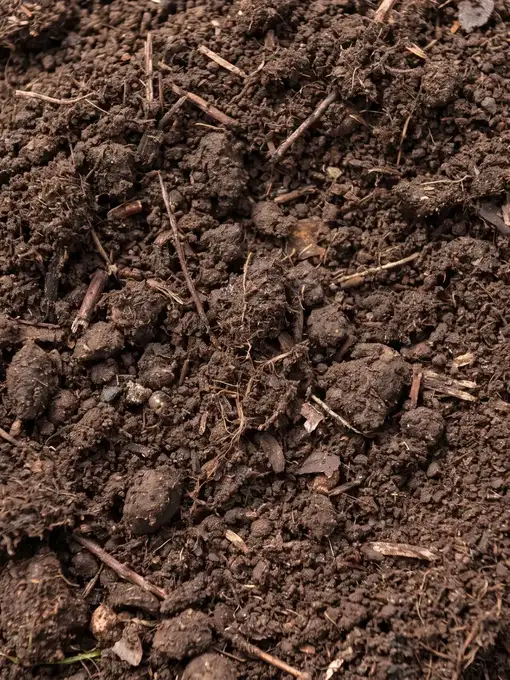
Bulk compost delivered in Johns Creek, GA. Dark brown color.
Starting from $535.65 delivered to Johns Creek for 2 yards, our minimum order
Johns Creek homeowners who want compost without hauling bags home from a garden center can have it delivered by the cubic yard. Compost delivery in Johns Creek, GA suits large beds, new planting areas and lawn top-dressing, and the smallest order is 2 cubic yards. The city blends established neighborhoods with newer developments, so one bulk order can often cover several projects at once.
Johns Creek is a larger suburb with a wide range of yard sizes, so the same compost order can fill a small bed in one yard and a long border in another. Sizing the order to the actual footprint is what keeps the total fair.
Alpharetta, Roswell and Sandy Springs are the nearest neighbors, roughly 10 to 15 miles away, and Marietta and Atlanta sit about 24 miles out. The sections below walk through the ordering steps, how to size the order, where compost performs best, the pricing, and the other materials we deliver here.
Compost delivery in Johns Creek, GA: ordering steps
Begin with the drop spot. Choose a hard, easy-to-reach surface like a concrete drive or a packed gravel pad, so the truck stays off soft turf, sprinkler heads and buried lines. Check overhead lines and low limbs along the route as well. The product page shows the delivered price for your address, so you can compare totals before you commit. For the local details, see delivery in Johns Creek.
How much compost you need in Johns Creek
Work out volume with length times width times depth in inches, divided by 324. A 12 by 8 foot planting bed at 3 inches deep is about 0.9 cubic yards, so the 2 cubic yard minimum would apply and leave roughly 1.1 cubic yards for another bed. Plan on a little extra for settling, since compost drops after it is watered in. If you have several areas, the calculator adds up the volume for you.
Best uses for compost in Johns Creek
Vegetable gardens, perennial borders and shrub beds gain the most from a yearly layer of compost. Work it into the top few inches of soil before planting and mulch over the top. On slopes, compost helps the soil absorb rain, but bare banks can wash out, so top-dress only after the area is planted or covered with straw or mulch. Small landscape crews also use compost during new lawn installs, mixing it into the top layer before the sod goes down.
Planning a multi-area project in Johns Creek
Many homeowners here want compost for a front bed, a back border and a patch of lawn at the same time. Measure each area separately, write down its volume, then add the figures together. Seeing the individual numbers makes it easier to decide which areas get compost now and which can wait for the next round of work.
Take a front border 40 feet long and 4 feet wide, topped with 2 inches of compost. That is roughly 1 cubic yard on its own, so pairing it with the back bed and the lawn patch is what brings an order past the 2 cubic yard minimum. Keeping every area on one list shows whether the combined order clears that minimum with room to spare.
Pricing notes for Johns Creek orders
Enter your ZIP on the product page and it shows the delivered price for your address. The rate per cubic yard drops as the order grows, so a combined order for the front bed, back border and lawn costs less per yard than three separate small ones. Add up the whole project first, then order once.
Other materials delivered in Johns Creek
Pea gravel, premium screened topsoil, river rock and #57 crushed stone all ship to Johns Creek, and each one is sold by the ton. Pea Gravel is common for drainage and walkways and has its own Johns Creek page with the same ZIP-based pricing. Premium Screened Topsoil and crushed stone handle drainage and base layers. Browse the Compost in Georgia overview if you are comparing products across the state.
About Compost
Compost is the finished result of organic material breaking down under steady moisture and air, and it gives garden soil a richer, more workable texture. Clay soils gain drainage and room for roots, and the nutrients compost releases slowly are available to plants over a season rather than all at once.
A cubic yard works out to 27 cubic feet, enough to cover a 100 square foot bed about 3 inches deep. Compost runs about 1,000 pounds per cubic yard, so a bulk load is best spread with a wheelbarrow or a spreader instead of being lifted by hand. Its color is dark brown, and fully finished material smells earthy rather than sour. Most projects here are sized by bed area, so the volume you need depends on how much ground you are covering and how deep you plan to work the material in.
What Compost costs in Johns Creek
Local Johns Creek yards quote compost by the ton; the delivered number includes fuel, the truck, and the haul. Send your ZIP and load size and we will send back a same-hour quote with the truck rate and the per-ton figure spelled out. A ton of this material spreads across about 216 sq ft when laid 3 inches deep, useful when you are sizing a patio base or a walkway run.
How crews use Compost in Johns Creek
In and around Johns Creek, compost shows up most often on two project types. The most common deployment is planting bed gravel, often in tight urban lots and infill builds in two to three inch lifts. At roughly 82,453 people, the Johns Creek order mix leans toward 3 to 8 ton residential drops with the occasional 16 ton job for a contractor.
Delivery day in Johns Creek
A typical Johns Creek drop is dispatched from the closest yard with a two hour window and a heads-up call once the truck is loaded. Tandem trucks want a 12 ft lane in and out; tri-axles need 14 ft, and both want firm ground at the tipping spot so the load releases cleanly. Standard lead time on this lane is Mon-Sat, with same-day windows held open for orders that hit the desk before 11 AM and clear payment.
Related materials we deliver in Johns Creek



Estimate how much you need
Work out your material
A planning figure, not a guarantee. Order roughly a tenth extra to cover settling and uneven ground.
Browse more
Available in nearby cities
Plan your project
Related guides
 GUIDEHow Deep Should a Gravel Driveway Be? Layer GuidePractical, field-tested guide: how deep should gravel driveway be. Pulled from real US installer notes and 2026 supplier price data.Read guide →
 GUIDEHow Much Does River Rock Cost? By Ton or YardRiver rock cost depends on your ZIP code, order size, and whether you buy by the ton or the cubic yard. Here is how pricing works.Read guide →
 GUIDEWhat Size Crushed Stone Goes Under a Concrete SlabMost slabs need 4 to 6 inches of compacted crushed stone underneath. What size crushed stone under a concrete slab needs, and why it matters.Read guide →
 GUIDEWhat Is Crushed Stone? Sizes, Uses and Buying BasicsCrushed stone is quarried rock crushed and screened into angular pieces sold by the ton. Here is what it is, how it is graded, and where to use it.Read guide →
Frequently Asked Questions
Does compost work well in raised beds?
Yes. Raised beds drain faster than in-ground soil and often need more organic matter to hold moisture, so blend compost into the existing fill rather than using it straight, and top it up each season. Mixing it with a coarser base keeps the bed from packing down, and the compost supplies the nutrients the plants draw on through the season.
What is the difference between compost and mulch?
Compost is decomposed organic matter that gets mixed into the soil and feeds it from below. Mulch is a surface layer, such as wood chips or shredded bark, that holds moisture and keeps weeds down without becoming part of the soil itself. Many beds use compost underneath and mulch on top.
Can compost go directly on top of sod?
A thin layer of fine compost can be raked into an existing lawn, but it should not be piled thick enough to smother the grass. Spread it lightly, rake it so the blades stand up through it, and water it in. A thick layer that sits on the turf for long stretches can cause the grass underneath to yellow.
Will compost attract pests or weeds?
Well-finished compost is not a pest magnet, but it can carry weed seeds if it did not heat up fully during production. Spread it, keep it watered, and pull any sprouts while they are small. Pests tend to follow decaying food scraps rather than finished material, so a sweet earthy smell is a good sign.
What is the easiest way to move a compost pile to my beds?
A wheelbarrow and a flat shovel handle most residential jobs, and a tarp under the pile keeps the drive clean and makes the last scoops easier. Move the compost in loads you can steer comfortably, and start with the bed farthest from the drop spot so you are not walking over finished areas with each trip.
Is compost safe to use on vegetables?
Finished compost is widely used on vegetable gardens because it builds soil structure and supports healthy roots. Choose a product that is fully broken down, free of visible trash, and not still hot to the touch. Wash harvested produce as you normally would, and keep compost away from the edible parts of the plant when it is first spread.
Is it worth making my own compost instead of buying it?
Home composting works well for a few buckets of kitchen scraps and leaves, but it is slow to produce the volume a bed or lawn project needs. Bulk delivery gives you a consistent, finished product in one step. Many gardeners do both, using a backyard pile for daily scraps and buying compost for larger jobs.
Can I use compost in containers or pots?
Yes, but blend it with a lighter potting base instead of using it straight. Pure compost can compact in a pot and hold too much water around the roots. A mix of roughly one part compost to two parts lighter material gives containers better drainage and steady nutrition over the growing season.