
Compost Delivery in Iowa City, IA by the Cubic Yard
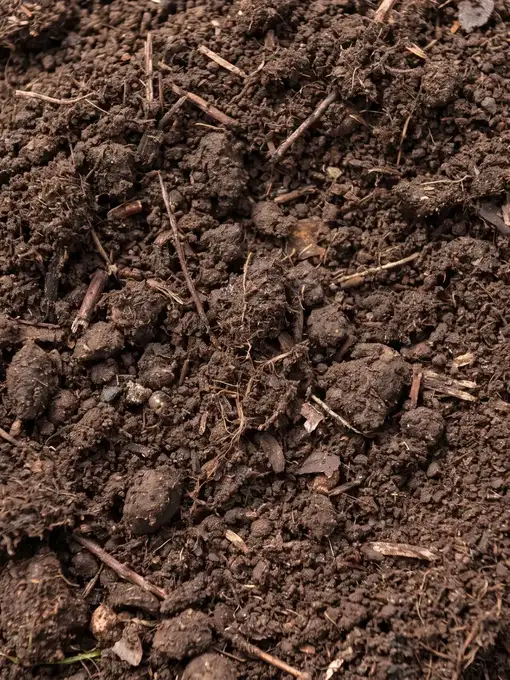
Bulk compost delivered in Iowa City, IA. Dark brown color.
Starting from $453.07 delivered to Iowa City for 2 yards, our minimum order
Compost delivery in Iowa City, IA brings finished, dark compost to your property in bulk. The yard is the sales unit, which means a small bed and a big one each get an order sized to them. Iowa City is home to the University of Iowa, and its residential yards mix established lawns, older gardens and newer beds that all benefit from added organic matter. Cedar Rapids sits about 28 miles away. For statewide background, see Compost in Iowa.
Iowa City compost delivery by use
- Garden beds: a layer worked into the top of the soil gives roots more to hold on to through the summer heat.
- Lawn repair: thin spots can be topped with a light layer and then seeded again.
- Newly planted trees and shrubs: spread it in a wide ring around the planting area and keep it off the trunk.
Compost is a soil product, so pair it with Mulch when the goal is a protective surface over the bed rather than better soil underneath. For a deeper planting bed or a lawn that needs a base of soil, Premium Screened Topsoil is sold by the ton and gives plants a sturdier starting material.
What compost does for a lawn
Turf growing in packed ground struggles to put down deep roots, and compost gives it a looser zone to work with. Foot traffic and mowing both compress the top inch or two over time, so a light application keeps that layer open. Turf on looser ground usually needs less watering to look healthy during a dry stretch.
Building soil over several seasons
Good soil is built in layers, one season at a time. Start with the most worn areas, add compost each year, and let the material mix with the native ground as roots and soil life work through it. Over a few seasons the difference shows in how easily a spade goes in and how the bed looks after a heavy rain.
How much compost to order
Compost is measured in cubic yards with a 2-yard minimum. Take the bed length and width in feet, multiply them, then multiply by the depth in inches and divide by 324. A 15 by 12 foot bed at 4 inches needs about 2.2 cubic yards, so a 3-yard order gives you enough material and a little room for settling. Larger projects can be estimated with the calculator, which runs the same arithmetic.
Pricing for Iowa City orders
Each price is delivered and calculated for the ZIP you enter, so the figure on screen covers the trip to your home. Orders with more volume carry a lower rate per cubic yard, which is worth checking if your project covers more than one bed.
Delivery to your Iowa City address
The delivery in Iowa City page explains how orders reach the city. Look at the route from the street to the planting area before you order. Picture where the truck will stand and where the pile will sit. A gate, a narrow side yard or a long carry changes how the load should be placed.
Common mistakes to avoid
The most frequent error is spreading a thick mound in one spot and expecting it to behave like a base. Compost is meant to be a layer that blends into what is below it, so a deep pile in one place rarely helps. Another common slip is skipping the blend altogether and leaving bare clods on the surface where grass or flowers cannot root. A third is ordering by guesswork. Measuring the bed first, even with a tape and a few quick numbers, keeps you from ending up with a pile that is too small to finish the job or far larger than the space can take.
Ordering compost in Iowa City
Work out the cubic yard total from your measurements first. Entering an Iowa City ZIP on the product page brings up the delivered price, and you can change the quantity there until the figure suits the job before you confirm.
About Compost
Compost made from decomposed plant material is one of the most useful soil products a homeowner can work with. When it is finished it is dark, crumbly and mild smelling. It gives sandy ground the ability to hold water and gives dense ground more air pockets, which helps roots spread. Gardeners, lawn renovators and tree planters use it for the same basic reason: it adds organic matter that most yards are short on.
The material is sold in cubic yards, and a yard of wet compost weighs around 1,000 pounds. Measure the area first and work from that number instead of counting bags, since bulk compost is ordered by volume and not by the container it arrives in.
Use it as a blending ingredient at planting time, as a feeding layer across existing beds, or as a light top dressing for turf that has thinned out over a season or two.
What Compost costs in Iowa City
Around Iowa City, compost is quoted by the ton with delivery layered in based on distance from the closest yard. Send your ZIP and load size and we will send back a same-hour quote with the truck rate and the per-ton figure spelled out. Plan on roughly 216 sq ft of coverage per ton at 3 inches deep, which puts a single-car driveway in the 3 to 5 ton bracket.
How crews use Compost in Iowa City
Iowa City contractors keep compost on the order sheet for a short list of standard installs. Top of the list is planting bed gravel, where the material is rolled out in tight urban lots and infill builds and screeded to grade. Iowa City sits at about 76,710 residents, which means we see steady weekday traffic from landscape crews and weekend pickups from owner-builders.
Delivery day in Iowa City
Delivery in Iowa City runs out of the nearest pit; you get a two hour arrival window the evening prior and a call when the driver leaves the scale. Plan for 12 ft of clear path for a tandem and 14 ft for a tri-axle, plus a level area at the dump point so the bed lifts straight. Standard lead time on this lane is Mon-Sat, with same-day windows held open for orders that hit the desk before 11 AM and clear payment.
Related materials we deliver in Iowa City



Estimate how much you need
Work out your material
A planning figure, not a guarantee. Order roughly a tenth extra to cover settling and uneven ground.
Browse more
Available in nearby cities
Plan your project
Related guides
 GUIDEHow Much Does Gravel Cost? A Practical Pricing GuideHow much does gravel cost and why does it vary? See the real factors behind ton pricing, delivery, and order size before you buy.Read guide →GUIDEGravel Size Chart: Pea Gravel to Crushed StoneA gravel size chart showing pea gravel, crushed stone and river rock diameters side by side, so you can match the right size to your project.Read guide →
 GUIDEThe Different Types of Gravel and How to ChooseA plain-language guide to the main types of gravel, covering pea gravel, crushed stone, river rock and decomposed granite.Read guide →
 GUIDEWhat Are Screenings? A Guide to Crushed Stone FinesScreenings are fine crushed stone used for paver bases, joint fill and walkways. See what screenings are, common types, and mistakes to avoid.Read guide →
Frequently Asked Questions
Does compost need to be mixed with soil before I plant seeds?
Seeds germinate best in a fine, firm surface, so a thin compost layer raked into the top inch of soil works better than a thick pile. Mix the compost in lightly, water the area, and then sow. Heavy layers can keep small seeds from reaching the soil, so spread compost first and seed afterward.
Is compost safe to use around food crops?
Finished compost is widely used around food crops because it feeds soil life and improves structure. Use material that is fully broken down and free of visible food scraps or sour odor. Wash harvested produce as you normally would, and keep the material off the leaves when you spread it.
What does good compost look and smell like?
Good compost is dark, loose and crumbly with a clean, earthy smell. It should not look like wet paper or raw scraps. When you squeeze a handful, it should hold a loose shape and then fall apart. Material that smells rotten or stays slimy is not ready for beds.
Can I use compost to level a low spot in a lawn?
Only for small dips. Rake a thin layer of compost into the low area and let the grass grow up through it, repeating once the turf has recovered if the dip is still there. Piling it on thick will smother the grass, so fill deeper hollows with soil first and finish with a light layer of compost.
Can I put compost under a patio or pavers?
No. Compost is organic and it settles and shifts over time, so it will not give the firm, level base that pavers need. A layer of crushed stone or another compacted base material is the right choice under a patio. Compost belongs on top of the soil in beds and lawns.
Can I spread compost when the ground is frozen?
Compost can be spread on frozen ground in a pinch, but it is hard to work into the soil and easy to lose to runoff when the thaw comes. Waiting until the ground is workable lets you blend the material properly and see where it needs to go. A bed covered in frozen material can wait for the next open day.
How should I store compost I plan to use next month?
Store it under a cover on firm ground, away from the driveway and downspouts where runoff could carry nutrients away. Keep the pile slightly moist, not soaked, so it stays biologically active without becoming a soggy mess. Turn or loosen the pile now and then if it starts to compact.
Can I build a new bed on top of existing grass with compost?
Yes. Mow the grass short, lay down flattened cardboard or several sheets of newspaper, wet it, and spread the compost on top. The covering blocks light so the grass underneath dies back and breaks down. Plant right into the compost, keeping the layer deep enough that roots stay in it for the first season.