
Compost Delivery in Hammond, IN for Lawns and Gardens
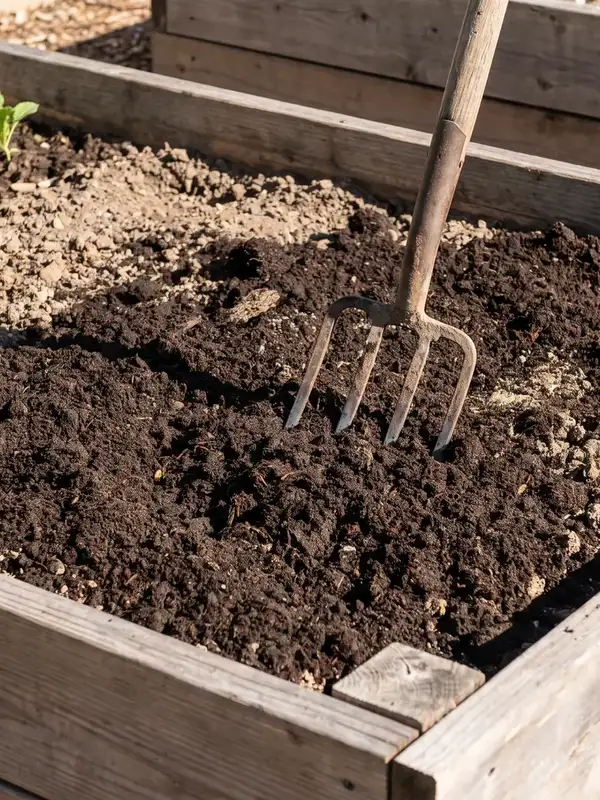
Bulk compost delivered in Hammond, IN. Dark brown color.
Starting from $630.15 delivered to Hammond for 2 yards, our minimum order
Hammond is a city of about 75,000 people on Indiana's northwestern edge, right against the Illinois state line. Compost delivery in Hammond, IN suits a weekend gardener refreshing a few beds and a small contractor working a yard for a client, since both need a measured volume rather than a pile of bags. Chicago, Illinois, sits about 20 miles away across the line.
Compost delivery in Hammond, IN for lawns and gardens
A thin topdressing in spring fills in bare patches and helps grass root more evenly. Perennial beds and vegetable plots benefit from a yearly top layer worked lightly into the surface, and a newly graded lot often needs organic matter before seeding goes down. Late spring and early fall are the most comfortable windows, as long as the soil is not saturated from recent rain. A sloped side yard should get only a thin layer, so heavy rain does not carry it off toward a neighbor's fence line.
Vegetable plots do well with a layer spread after the last harvest, and the material has a few months to settle before spring planting. Shrub borders are another common use. Spread the compost across the bed in an even layer and avoid building it into a mound around the stems, since a mound holds moisture against the bark.
Pricing and minimum order in Hammond
Compost is sold by the cubic yard, and the minimum order is 2 cubic yards. The delivered price for your ZIP is calculated live and appears before you buy, and larger orders carry a lower rate per cubic yard.
Some projects pair compost with a firmer base. Pea Gravel is sold by the ton in Hammond and works well under a path or around a patio edge. For beds that need grade built up first, Premium Screened Topsoil is also sold by the ton, and compost goes on top once the grade is right.
Figuring the volume for a Hammond project
Take the area in square feet by multiplying length by width, then multiply by the depth in inches and divide by 324. A 25 by 12 foot strip at 1.5 inches deep comes to about 1.4 cubic yards, so the order would be the 2-yard minimum. For a lawn that has uneven patches, measure the worst spots separately and total them rather than estimating the whole yard as one shape. Build in a little extra for settling after watering, because compost sinks as it moistens. The calculator gives a quick check if you prefer typing numbers into a form.
Access and drop spot in Hammond
Pick a drop spot as close to the planting area as the access allows, and keep the route clear of hoses, fences and low limbs. A flat, hard surface near the work keeps the wheelbarrow trips short and protects the grass where the truck turns. A wide garden rake, a square shovel and a wheelbarrow cover most spreading jobs. If the house has a narrow side yard, spreading the load in two stages from one end is often easier than hauling it all from a single point. Check the delivery in Hammond page for the city-specific details before you schedule the order.
Hammond crews and repeat jobs
Small crews working Hammond yards often spread compost as the last step before seed or sod goes down. One load can cover several client beds, which keeps truck visits to a minimum, and a rough tally of cubic yards per job makes the next quote easier to build. On a long lot, wheeling material from the driveway is slow, so a short note of each bed's size saves re-measuring on the next visit.
Ordering compost for Hammond delivery
Ordering takes a few steps on the product page: pick compost, enter the cubic yards you measured for the lawn or beds, and review the cart before checkout.
To compare other options across the state, visit Compost in Indiana.
About Compost
About this material
This compost is finished organic matter with a dark brown color and a crumbly, loose texture. Gardeners use it to add organic matter to beds, feed the soil over time and give new plantings a better start. Its texture makes it easy to rake and blend into existing ground.
Compost is sold by the cubic yard, so the quantity you order is a volume you can measure against your beds or lawn. It mixes well with native soil and is a practical choice for raised beds, containers when blended with potting mix, and new planting areas. Keep crushed stone or gravel for any base layer under a walkway, and use compost for the living soil above it.
What Compost costs in Hammond
Local Hammond yards quote compost by the ton; the delivered number includes fuel, the truck, and the haul. Send your ZIP and load size and we will send back a same-hour quote with the truck rate and the per-ton figure spelled out. A ton of this material spreads across about 216 sq ft when laid 3 inches deep, useful when you are sizing a patio base or a walkway run.
How crews use Compost in Hammond
In and around Hammond, compost shows up most often on two project types. The most common deployment is planting bed gravel, often in tight urban lots and infill builds in two to three inch lifts. At roughly 75,795 people, the Hammond order mix leans toward 3 to 8 ton residential drops with the occasional 16 ton job for a contractor.
Delivery day in Hammond
A typical Hammond drop is dispatched from the closest yard with a two hour window and a heads-up call once the truck is loaded. Tandem trucks want a 12 ft lane in and out; tri-axles need 14 ft, and both want firm ground at the tipping spot so the load releases cleanly. Standard lead time on this lane is Mon-Sat, with same-day windows held open for orders that hit the desk before 11 AM and clear payment.
Related materials we deliver in Hammond



Estimate how much you need
Work out your material
A planning figure, not a guarantee. Order roughly a tenth extra to cover settling and uneven ground.
Browse more
Available in nearby cities
Plan your project
Related guides
 GUIDEWhat Size Crushed Stone Goes Under a Concrete SlabMost slabs need 4 to 6 inches of compacted crushed stone underneath. What size crushed stone under a concrete slab needs, and why it matters.Read guide →
 GUIDEWhat Is Crushed Stone? Sizes, Uses and Buying BasicsCrushed stone is quarried rock crushed and screened into angular pieces sold by the ton. Here is what it is, how it is graded, and where to use it.Read guide →
 GUIDEHow Much Does Gravel Cost? A Practical Pricing GuideHow much does gravel cost and why does it vary? See the real factors behind ton pricing, delivery, and order size before you buy.Read guide →GUIDEGravel Size Chart: Pea Gravel to Crushed StoneA gravel size chart showing pea gravel, crushed stone and river rock diameters side by side, so you can match the right size to your project.Read guide →
Frequently Asked Questions
Is compost better than mulch for flower beds?
They do different jobs. Mulch sits on top and mainly protects the soil surface, while compost feeds the soil and can be worked in. Many gardeners spread compost first and cover it with a thin layer of bark or wood chips for a tidy finish.
Can I put compost on a new lawn before seeding?
Yes, that is a common use. Rake a thin layer over the graded surface, then seed and water lightly so the seed settles into the mix. Keep foot traffic light until the new grass is up, since a freshly spread layer can shift under heavy steps.
How long does compost keep helping the soil?
It does not disappear quickly. Organic matter breaks down over several seasons, so one application keeps helping for a while, and yearly top-ups keep the benefit steady. Pace the additions to the size of the beds you are working on.
Can compost be used in containers?
Yes, but use it as a blend rather than pure compost. Mix roughly a third compost into a potting mix or garden soil so the container drains well and holds moisture. Pure compost can compact in a pot and dry unevenly.
Is compost safe for vegetables?
In Hammond vegetable gardens, finished compost is widely used. Look for a dark, crumbly product with an earthy smell and no visible unbroken material. Wash harvested vegetables as you normally would, and avoid spreading unfinished material right up to edible crops.
Can I use compost to fill a low spot in the lawn?
Only for shallow dips. A deep fill of compost keeps sinking as it breaks down and leaves the hollow behind. For a dip deeper than an inch or two, level it with soil first and use compost as a thin finishing layer under seed. Rake it smooth and water lightly.
Does compost attract pests?
Finished compost generally does not draw pests the way fresh food scraps can. Keep it spread rather than piled against a house wall, and turn a stored pile now and then so it stays aerated and gives off less odor.
Will compost fix heavy clay on its own?
Compost helps, but it rarely fixes heavy clay in one season. Adding it every year builds structure over time, and pairing it with a light top layer of screened material can help the surface stay open.