
Bulk Compost Delivery in Durham, NC, by the Cubic Yard
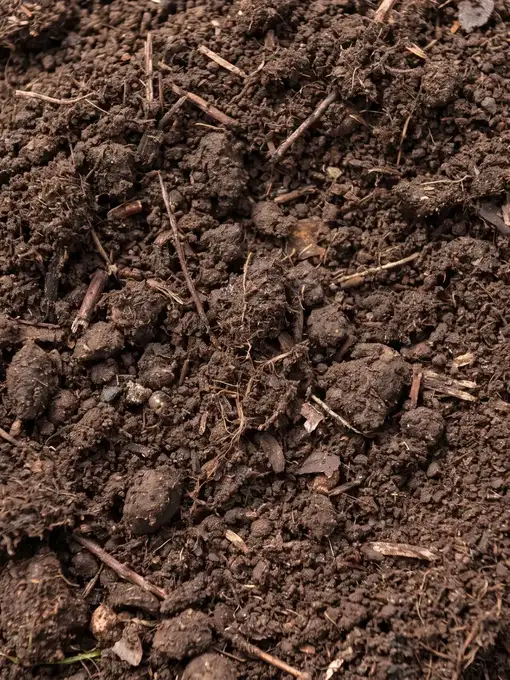
Bulk compost delivered in Durham, NC. Dark brown color.
Starting from $494.79 delivered to Durham for 2 yards, our minimum order
Compost delivery in Durham, NC for beds, lawns and plots
A new vegetable bed behind a bungalow, a row of blueberries, or a community plot that needs feeding before spring: those are the usual reasons for compost delivery in Durham, NC. Durham sits in the Durham-Chapel Hill area with roughly 296,000 residents, and the mix of older in-town lots and newer outer subdivisions means soil conditions change from street to street. MyGravelBuddy delivers compost loose by the cubic yard so you can fill those beds without hauling a single bag.
What compost does in Durham soil
Much of the Piedmont ground around Durham is clay that bakes hard in August and stays soggy in a wet March. Compost loosens that texture and gives roots something to hold onto. It also supplies slow-release nutrients, so beds that were exhausted by a few seasons of tomatoes can recover.
- Vegetable and herb beds: fold in a few inches before planting.
- Fruit and berry plantings: blueberries, figs and young trees do well with an organic top layer.
- Flower borders: a light spread each year replaces what plants pull out.
- Compacted turf: rake a thin coat over aerated lawn before seeding.
The product is dark brown and crumbly, and a cubic yard weighs about 1,000 lb. That makes it easy to move by wheelbarrow, though a full load is still more than most people guess.
Sizing your order
Measure each bed in feet, multiply length by width, then by the depth you want in inches, and divide the result by 324. That number is cubic yards. A 10 by 20 foot garden with three inches of compost, for instance, lands a little under two cubic yards, so a project that size sits right at the minimum. Add the totals for every bed you plan to fill, then round up slightly so you do not run short.
For an estimate without a pencil, use the calculator with your dimensions and read off the volume.
Where the delivery goes in Durham
Durham streets vary: narrow older blocks near downtown, wide cul-de-sacs farther out. Choose a drop point close to where the compost will be used, ideally a hard surface or a spot that can take a pile without damage. Our delivery in Durham page covers how service reaches the city, and the ZIP you enter at checkout confirms the address is covered.
Gardeners in Durham who share a yard with neighbors or a community garden often split a delivery. One larger order is simpler to coordinate than separate small ones, and the combined volume qualifies for a lower rate per cubic yard.
How compost pricing works here
Compost is priced by the cubic yard, and the delivered price is worked out live for the ZIP you enter, then displayed on the page. No printed rate sheet applies: what you see for your address is what the order uses. In Durham, bigger compost orders drop to a lower rate per cubic yard.
Pair it with other materials
Raised-bed and walkway projects often need a few other products. Pea Gravel is a common choice for paths between beds, and Premium Screened Topsoil makes up the bulk of a new bed when compost alone would be too rich. Both are sold by the ton. Statewide details live on the Compost in North Carolina page.
If you are working a bit outside the city, Cary is about 17 miles away, with Apex and Wake Forest each about 19 miles and Raleigh around 22 miles. Ordering works the same way in each of those places.
Ready to order
Enter your ZIP, choose the number of cubic yards, and review the delivered price. When the pile arrives, plan to spread it within a couple of weeks. Fresh compost left in a pile loses some of its moisture and crumbly feel, so it is worth moving into the beds while it is still in good shape.
About Compost
Compost is a dark brown, crumbly material produced when organic matter such as yard trimmings and plant waste breaks down fully. It improves soil structure, adds slow-release nutrients and helps ground hold water without staying soggy. People spread it on vegetable gardens, flower beds, around young trees and over lawns before seeding.
Compost for Durham is sold by the cubic yard, and a cubic yard weighs about 1,000 lb. The material arrives loose, ready to shovel. Compost is best mixed with existing soil, since planting in it alone can dry out quickly and settle. The smallest order is 2 cubic yards, and the delivered price for your ZIP is calculated live and shown on the page. Larger orders earn a lower rate per cubic yard.
What Compost costs in Durham
Around Durham, compost is quoted by the ton with delivery layered in based on distance from the closest yard. Send your ZIP and load size and we will send back a same-hour quote with the truck rate and the per-ton figure spelled out. Plan on roughly 216 sq ft of coverage per ton at 3 inches deep, which puts a single-car driveway in the 3 to 5 ton bracket.
How crews use Compost in Durham
Durham contractors keep compost on the order sheet for a short list of standard installs. Top of the list is planting bed gravel, where the material is rolled out in tight urban lots and infill builds and screeded to grade. Durham sits at about 296,186 residents, which means we see steady weekday traffic from landscape crews and weekend pickups from owner-builders.
Delivery day in Durham
Delivery in Durham runs out of the nearest pit; you get a two hour arrival window the evening prior and a call when the driver leaves the scale. Plan for 12 ft of clear path for a tandem and 14 ft for a tri-axle, plus a level area at the dump point so the bed lifts straight. Standard lead time on this lane is Mon-Sat, with same-day windows held open for orders that hit the desk before 11 AM and clear payment.
Related materials we deliver in Durham



Estimate how much you need
Work out your material
A planning figure, not a guarantee. Order roughly a tenth extra to cover settling and uneven ground.
Browse more
Available in nearby cities
Plan your project
Related guides
 GUIDEHow to Clean River Rock and Restore Its ColorLearn how to clean river rock landscaping with rinsing, soap and vinegar methods, plus common mistakes to avoid for a brighter, longer lasting rock bed.Read guide →
 GUIDEHow to Lay a Gravel Driveway: Step-by-Step GuidePractical, field-tested guide: how to lay gravel driveway. Pulled from real US installer notes and 2026 supplier price data.Read guide →
 GUIDEDoes Gravel Stop Weeds? Honest Answer + What WorksPractical, field-tested guide: does gravel stop weeds. Pulled from real US installer notes and 2026 supplier price data.Read guide →
 GUIDEHow Much Gravel Do I Need? Quick Sizing GuidePractical, field-tested guide: how much gravel do i need. Pulled from real US installer notes and 2026 supplier price data.Read guide →
Frequently Asked Questions
How is compost different from mulch?
Unlike compost worked into Durham clay, mulch sits on the surface to block weeds and hold moisture, and it breaks down slowly. Compost is already decomposed and is meant to feed the soil, either mixed in or as a thin coat. Mulch also keeps soil temperature steadier, while compost is what improves the soil's texture and fertility.
Is compost safe to use around edible plants?
Finished compost is commonly used in vegetable gardens and around fruit crops. Keep it off leaves you plan to eat, wash produce as usual, and spread it on the soil. If you grow in a community plot, check any plot rules about soil additions before you order.
How much compost does a 4 by 8 raised bed need?
A 4 by 8 foot bed is 32 square feet. Filling to 12 inches deep with pure compost works out to about 1.2 cubic yards, but most growers use a mix of compost and soil. Since the minimum order is 2 cubic yards, one delivery can fill several beds.
Can I put compost on top of a clay bed without digging?
Yes. A no-dig method layers three or four inches of compost over the surface and lets worms pull it down. Over a season or two the top layer of clay improves. Digging gives faster results, but the no-dig approach saves your back and still helps.
What should I do if it rains right after delivery?
A few inches of rain will not harm the pile, but heavy runoff can wash fines away. Spread what you can between storms, mound the rest tightly, and tarp it. Avoid stepping on wet compost in beds because it compacts and loses its crumbly texture.
Does compost change the pH of my soil?
Finished compost tends to be close to neutral, so it rarely shifts pH much. If you grow acid-loving plants like blueberries, you still need a soil test to know what the beds need. Compost helps most with texture and fertility, not with pH correction.
Can I spread compost over a bed that already has mulch?
Yes, but pull the old mulch aside first. Spread the compost directly on the soil, then slide the mulch back over the top. That keeps the compost in contact with the ground, where worms and roots can use it, and the mulch still blocks weeds and slows evaporation through a hot Durham summer.
How soon can I plant after spreading compost?
Finished compost generally allows planting right away. For transplants, blend it into the top few inches and set plants at their usual depth. For seeds, rake the surface smooth and fine first, since lumps can keep small seedlings from breaking through. Water everything in well after planting.