
Compost Delivery in Reading, PA by the Cubic Yard
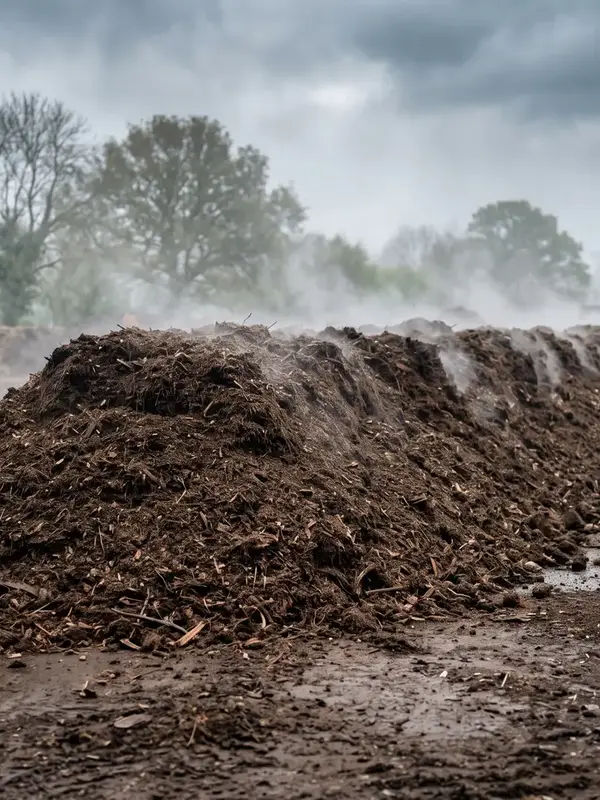
Bulk compost delivered in Reading, PA. Dark brown color.
Starting from $579.99 delivered to Reading for 2 yards, our minimum order
Gardeners and small contractors in Reading, PA often arrange compost delivery once a bed, lawn patch, or planting strip grows past what a few bags can cover. Reading has about 95,000 residents, and Lancaster, Allentown, and Bethlehem are the nearest larger towns, about 29, 30, and 34 miles away. For the full picture across the state, see Compost in Pennsylvania.
Compost Delivery in Reading, PA: The Drop Spot
Pick a spot that is level, firm, and reachable. A loose load dropped on soft ground or behind a narrow gate takes longer to move by hand, so check the gap and the approach before you place the order. Reading addresses are covered on the delivery in Reading page, which describes how the service works in this area.
Where Bulk Compost Pays Off in Reading
Compost does its best work as a soil amendment. Dig it into vegetable and flower beds before planting, spread a thin coat over a tired lawn, or tuck a layer around shrub borders and foundation plantings so the soil stays moist longer. It also gives new beds carved out of compacted yard soil a richer starting point.
One order usually covers one main project, so start with the job that matters most. Spring is the usual season for planting beds, and early fall suits lawn work because the grass has time to recover before winter. Slopes need a lighter hand. On a grade, spread compost thin and work it in rather than leaving a deep pile, so heavy rain does not carry it downhill before the roots take hold.
Sizing the Order for Your Reading Project
Take the bed length and width in feet, then the depth you want in inches. Multiply all three and divide by 324 to find cubic yards. A 12 ft by 10 ft bed filled 4 inches deep is 480 divided by 324, or about 1.5 cubic yards. Compost compacts once it is watered and walked on, so add roughly 10 percent to the total before you round.
Irregular beds are easiest to handle by splitting them into rectangles, working out each piece, and adding the totals together. For a quick check, the calculator takes the same three measurements, so you can enter your garden depth and treat the cubic yard result as a starting estimate.
How the Delivered Price Is Set
Compost is sold by the cubic yard, and the quantity you enter drives the total. Reading compost orders start at 2 cubic yards. Larger orders carry a lower rate per cubic yard, so one full order usually beats several small top-ups over the same season. The price shown is the delivered price for the ZIP you enter, calculated live, so two Reading addresses can show different figures.
If you are also weighing other bulk materials, the unit changes. Pea Gravel is sold by the ton here, so you plan it by weight instead of volume, and Premium Screened Topsoil is sold by the ton too. That makes neither one interchangeable with compost when you plan the load.
Spreading and Finishing a Reading Bed
Dump the load close to the bed, then work from the far end back toward the pile so you never walk on ground you have just leveled. Use a steel rake to knock down the high spots and the flat back of the head to smooth the surface. Leave an inch or two of clear space around plant stems and shrub trunks, because compost packed against bark stays damp and can cause rot.
Edges deserve a little attention. A shallow trench or a strip of edging along the border keeps the material from creeping onto walkways when it rains. After the last pass, water the bed gently and look again the next day, since low spots show up once the surface has settled.
Placing the Order
With the cubic yard figure in hand, choose that quantity and review the drop details and the order total before you pay. If the number comes out well above 2 cubic yards, consider whether a single larger order covers every bed you plan to fill this year, since the lower rate per cubic yard applies to the bigger quantity. If it falls short of 2, combine two small beds or a bed and a border into one order so the whole load gets used.
About Compost
Compost is dark brown, crumbly, and rich in organic matter once it has broken down fully. It is a common choice for improving tired soil, building up beds that drain too fast, and giving new plantings a better start. One cubic yard of compost weighs roughly 1,000 pounds when loose, so a load is heavy enough that the drop location matters as much as the quantity.
Gardeners use compost in several ways. It can be mixed into planting holes, spread as a top layer over existing beds, or used to refresh lawns in cool weather. Many people mix it with native soil rather than using it straight, since a blend holds water and air in a balance that suits most plants. Because compost is an organic material, it keeps improving the soil over time as it breaks down and mixes into the root zone.
When you order, the material is listed under Soil and Dirt on this site. The product page describes the basics, and the Reading page you are reading now covers the local details, the quantity math, and how the delivered price is calculated for your ZIP.
What Compost costs in Reading
In the Reading market, compost is sold by the ton and priced at the gate before delivery is added on. Send your ZIP and load size and we will send back a same-hour quote with the truck rate and the per-ton figure spelled out. One ton covers about 216 sq ft at a 3 inch finished depth, so a 400 sq ft driveway pad runs roughly 2 tons.
How crews use Compost in Reading
Crews working out of Reading tend to call for compost on a few repeat jobs each week. The first is planting bed gravel, typically laid in tight urban lots and infill builds with a base lift compacted before the finish course goes on. With a population around 95,112, Reading pulls a mix of single-truck homeowner orders and contractor full-loads through the season.
Delivery day in Reading
On the day of the drop, the dispatcher pulls the closest yard, batches your ticket with other Reading stops, and sends a window the night before. Tandem-axle dumps need at least 12 ft of clear width and 14 ft overhead to set the bed; tri-axles need 14 ft of clearance on both counts and a level pad to tip safely. Standard lead time on this lane is Mon-Sat, with same-day windows held open for orders that hit the desk before 11 AM and clear payment.
Related materials we deliver in Reading


Estimate how much you need
Work out your material
A planning figure, not a guarantee. Order roughly a tenth extra to cover settling and uneven ground.
Browse more
Available in nearby cities
Plan your project
Related guides
 GUIDEHow Much Gravel Do I Need? Quick Sizing GuidePractical, field-tested guide: how much gravel do i need. Pulled from real US installer notes and 2026 supplier price data.Read guide →
 GUIDEWhat Is #57 Stone? Uses, Size, and Cost ExplainedPractical, field-tested guide: what is 57 stone. Pulled from real US installer notes and 2026 supplier price data.Read guide →
 GUIDEHow Deep Should a Gravel Driveway Be? Layer GuidePractical, field-tested guide: how deep should gravel driveway be. Pulled from real US installer notes and 2026 supplier price data.Read guide →
 GUIDEHow Much Does River Rock Cost? By Ton or YardRiver rock cost depends on your ZIP code, order size, and whether you buy by the ton or the cubic yard. Here is how pricing works.Read guide →
Frequently Asked Questions
Is compost the same thing as topsoil?
No. Compost is decomposed organic matter, usually added to improve soil that is already in place. Topsoil is a soil product bought for leveling low spots or filling a bed from scratch. Both can belong in the same project, but they do different jobs, so decide which one the area needs before you order the quantity.
Can I plant seeds straight into compost?
A layer of pure compost on its own dries out quickly, which makes it hard for small seeds to stay evenly moist. Mix it into the top few inches of your existing soil first, then sow the seeds. Keep the surface damp until the seedlings are up and established, and water gently so the seed is not washed away.
How long can a delivered load sit before I spread it?
Spread it as soon as your schedule allows. A pile left in one place can get wet and pack down, and it becomes harder to move by shovel. If you must wait, keep the pile loose, set it off paved areas where runoff collects, and cover it during heavy rain.
How do I tell when compost is ready to use?
Finished compost looks dark and crumbly, and it smells earthy instead of sour. If you can still recognize leaves, kitchen scraps, or straw in it, it needs more time to break down. Using unfinished material around young plants can tie up nitrogen, so wait until the texture is uniform.
Does compost help heavy clay soil?
Organic matter is one of the most common ways gardeners loosen heavy clay. It opens up the soil so air and water move more easily through it. Expect the improvement to build over several seasons rather than in one application, and keep adding material as the bed settles.
Can I use this compost on vegetable beds?
Many gardeners use compost on vegetable beds. Work it into the soil before planting, and wash all produce before eating it, as you would with any garden-grown food. For questions about a specific crop or a planting schedule, your local extension office is a good place to ask.
Is compost dusty or messy to handle?
Dry compost can kick up fine dust when you shovel it, so a light misting with a hose before you start helps. Gloves keep your hands clean, and a simple dust mask is a sensible choice on a windy day. Damp compost is easier to move, though it should not be so wet that it drips.
What makes a compost bed different from a mulch bed?
Compost is worked into the soil or spread thin to feed it, while mulch sits on top mainly to hold moisture and slow weeds. A bed can use both, with compost mixed in first and a lighter mulch layer added after planting. Pick the one that matches your main goal for the bed.