
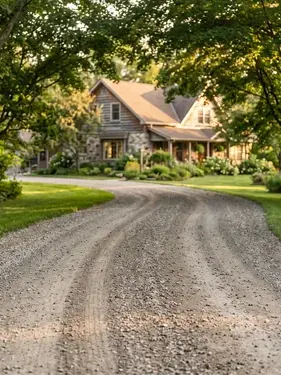
Driveway Gravel in Sunrise, FL
Material picks, pricing, and pro tips for driveway gravel projects in Sunrise, FL.
Building a durable driveway gravel foundation in Sunrise
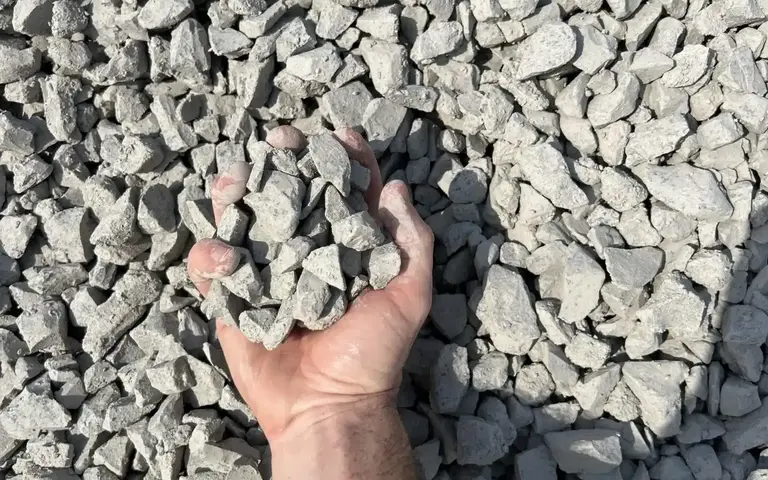
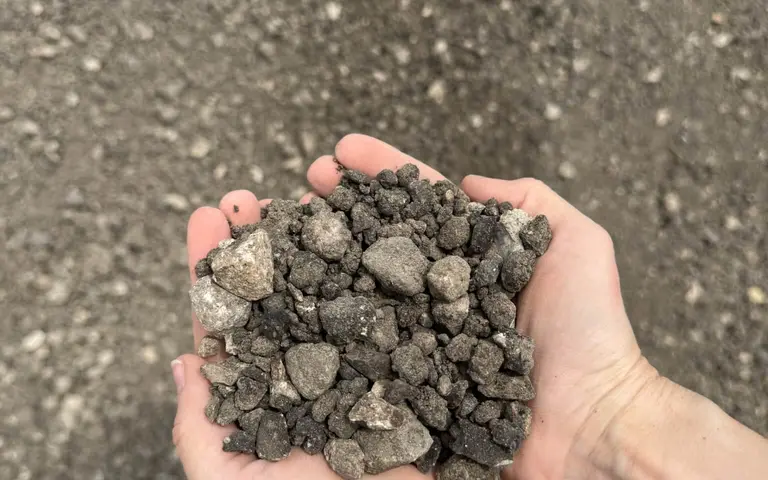
Sunrise sits in the heart of Broward County, surrounded by Davie, Fort Lauderdale, Pembroke Pines, Coral Springs and Miramar. The region shares wet summers, sandy soil, and intense afternoon thunderstorms that test every driveway. Driveway gravel here needs to drain fast and lock tight. #57 Crushed Stone is the backbone: it won't soften in heat, won't float in the rains, and holds its shape under car traffic. Many builders also use Asphalt Millings as a top layer in Florida, though crushed stone is the safe choice if your site stays wet year-round.
How much gravel and what depth to build
A solid driveway gravel base runs 4 to 6 inches of compacted material. Light car traffic calls for 4 inches; heavier vehicles or regular truck use demands 6 inches to prevent rutting. Use the calculator to measure your driveway length and width, enter your target depth, and it will tell you exactly how many tons you need. Most Sunrise driveways range from 6 to 15 tons depending on size. The tonnage accounts for compaction loss, which can run 10 to 15 percent of your initial order. Once you hit 15 tons, delivery in Sunrise is free, so larger single orders save you money compared to multiple small loads. You'll enter your ZIP in Sunrise and get a final price that includes trucking.
Choosing material and stone size
#57 Crushed Stone averages 3/4 inch. That size locks together and compacts hard, standing up to SUV tires without shifting. Smaller pea gravel looks neater but rolls out from under cars and spreads into landscaping. Larger stone over an inch is choppy to walk on and hard to rake smooth. The 3/4-inch crush is the goldilocks size: small enough to seat tight, large enough to drain and support weight. Both materials are sold by the ton at MyGravelBuddy. Your delivered price depends on your ZIP code in Sunrise and the distance from the delivery hub.
Why climate and drainage matter in South Florida
Sunrise's soil profile runs sandy with low clay content, which is great for water movement but means gravel must do all the work keeping the surface stable. Summer rains are sudden and heavy; afternoon thunderstorms drop inches in minutes. Your driveway needs to shed that water fast or soft spots form underneath. A slight slope away from your home or garage is essential. Even 1 to 2 percent grade helps water run off instead of pooling, which is the real enemy of a long-lived gravel surface in this climate. The high water table in Sunrise also works against standing water, so drainage becomes critical for a durable driveway.
Getting started and keeping it maintained
Order your stone by ZIP code to get a delivered price that includes hauling to Sunrise. Distribute the material, rake it level, and compact with a tamper or rented plate compactor. This is straightforward work that most homeowners finish in a weekend. Seasonal upkeep is minimal: rake the surface once a year to push stone back into ruts, and refresh the top inch or two every 2 to 3 years. That simple maintenance beats asphalt patching or concrete sealing and costs far less to start. A gravel driveway in Sunrise will handle the heat and humidity for years if you give it basic attention.
About Driveway Gravel projects
Gravel driveways suit homeowners who want affordability and flexibility without the commitment of concrete. Installing your own driveway with crushed stone and a plate compactor takes a weekend and basic tools. You maintain it by raking annually and refreshing the top layer every few years.
Recommended materials for driveway gravel
How a driveway gravel project goes
- Plan the site and remove old materialClear grass, weeds, and any existing driveway surface. Mark the edges so you know the exact footprint. Bare soil is your starting point, and you want a clean slate.
- Grade and slope for drainageTamp the soil and create a 1 to 2 percent slope away from buildings. Use a level and straight edge to verify the angle. Good drainage prevents water from pooling and softening the base layer.
- Install the base layerLay #57 Crushed Stone to 4 inches deep. Rake it level, then use a hand tamper or plate compactor to lock the pieces together. This layer carries all vehicle weight and must be solid.
- Add a top layer for heavy vehiclesIf trucks or heavy vehicles are regular, add another 2 inches of fresh crushed stone and recompact. This brings you to 6 inches total and prevents rutting under sustained weight.
- Smooth and schedule annual upkeepRake the final surface smooth. Set a calendar reminder to rake once a year and refresh the top inch every couple of years. This simple routine keeps the driveway smooth and solid.
Estimate your material
Calculate Your Project
Estimate only. Add 10-15% for compaction and waste.
Driveway gravel in Sunrise's climate
What works in Sunrise starts with how Florida weathers a year. Subtropical humidity with heavy seasonal rain. Drainage capacity matters more than freeze tolerance, and limestone-based aggregates are widely available. For driveway gravel work specifically, that means choosing material that handles local moisture and traffic loads without re-dressing every season.
The small market profile of Sunrise also shapes how a project runs. Most jobs are residential, with the occasional school or municipal project. Truck access is usually wide and turnarounds run fast.
Where we deliver driveway gravel material in Sunrise
Our delivery footprint around Sunrise covers the core city plus a typical 35-mile radius. Recent driveway gravel drops have included:
- older single-family blocks in and around Sunrise
- newer subdivisions on the outskirts in and around Sunrise
- commercial pad sites near the freeway in and around Sunrise
- horse properties on the rural edge in and around Sunrise
If your address is outside that radius, send your ZIP through the contact form and we will confirm coverage within an hour.
Pricing for driveway gravel in Sunrise
Here is what the recommended driveway gravel materials are running in Sunrise right now. Full-truck orders (16 tons or more) typically save 15 to 20 percent off these per-ton rates.
| Material | Price from |
|---|---|
| #57 Crushed Stone Delivery in Sunrise, FL | Quote on request |
| Asphalt Millings Delivery in Sunrise Florida | Quote on request |
Browse more
Recommended materials in Sunrise
Same project in nearby cities
Tools to plan your project
Related guides
 GUIDEHow to Lay a Gravel Driveway: Step-by-Step GuidePractical, field-tested guide: how to lay gravel driveway. Pulled from real US installer notes and 2026 supplier price data.Read guide →
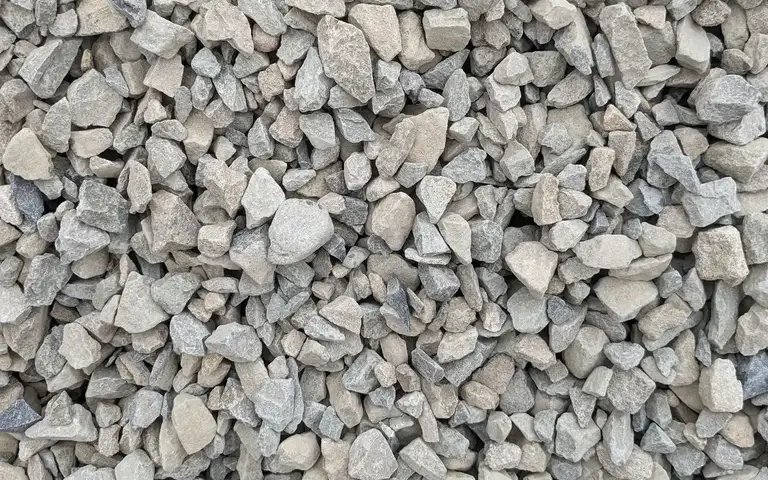 GUIDEDoes Gravel Stop Weeds? Honest Answer + What WorksPractical, field-tested guide: does gravel stop weeds. Pulled from real US installer notes and 2026 supplier price data.Read guide →
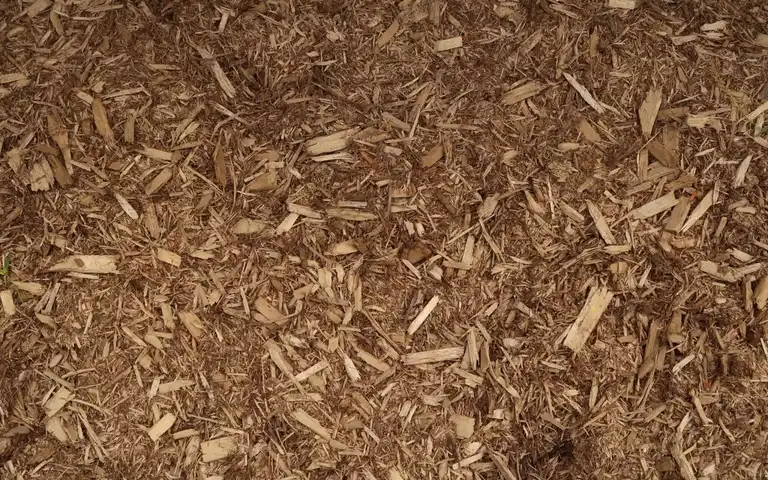 GUIDEHow Much Gravel Do I Need? Quick Sizing GuidePractical, field-tested guide: how much gravel do i need. Pulled from real US installer notes and 2026 supplier price data.Read guide →
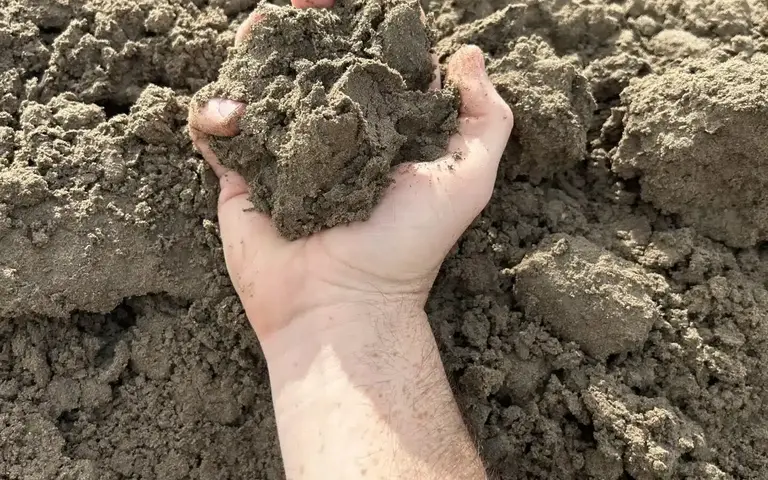 GUIDEWhat Is #57 Stone? Uses, Size, and Cost ExplainedPractical, field-tested guide: what is 57 stone. Pulled from real US installer notes and 2026 supplier price data.Read guide →
Frequently Asked Questions
How much crushed stone does a typical Sunrise driveway need?
A 12-by-24-foot driveway at 4 inches deep requires about 3 to 4 tons of #57 Crushed Stone. Larger residential driveways run 8 to 15 tons. Use the calculator with your exact measurements to get a precise quote, which includes delivery to your Sunrise address.
What's the difference between crushed stone and asphalt millings?
Crushed stone is mineral aggregate that won't soften in Florida heat. Asphalt millings is the more reliable choice, though millings work in drier regions.
Do I need to compact the gravel after it's delivered?
Yes. Distribute the stone and use a hand tamper or rent a plate compactor to lock it down. Uncompacted gravel shifts under tires and spreads to the sides. Compacting ensures a stable, long-lasting surface. Plan an afternoon of work for a typical driveway.
Will heavy summer rains wash away my gravel driveway?
Not if it's compacted tight and sloped to drain. Loose stone will shift, but a proper base of 4 to 6 inches of compacted material stands up to tropical rains. The slope prevents pooling, which is what softens the base layer underneath.
How often should I refresh the top layer?
Every 2 to 3 years, add a fresh layer and recompact. This is cheaper than patching asphalt. Regular raking keeps the surface smooth and pushes displaced stone back into ruts. Most homeowners spend less than concrete or asphalt in long-term maintenance.
Can I use pea gravel instead of crushed stone?
Pea gravel looks attractive but won't hold a driveway surface. It rolls under tires and migrates to the sides within weeks. Use #57 Crushed Stone for the base and finish layer. It compacts, holds its place, and drains properly.
What if water pools in spots after heavy rain?
Pooling means the slope isn't steep enough or the base isn't compacted well. Check your grade and add soil under low spots to create slope away from the driveway. Recompact the entire surface. If the problem persists, call in a grading contractor before ordering more stone.
Is gravel cheaper than concrete or asphalt in the long run?
Yes. Initial cost is lower, and maintenance is simpler. Concrete cracks and asphalt heaves in Florida heat. Gravel needs raking and refreshing, which costs far less than concrete repair or asphalt seal coating.