
Bulk Fill Dirt Delivery in Fort Smith, AR
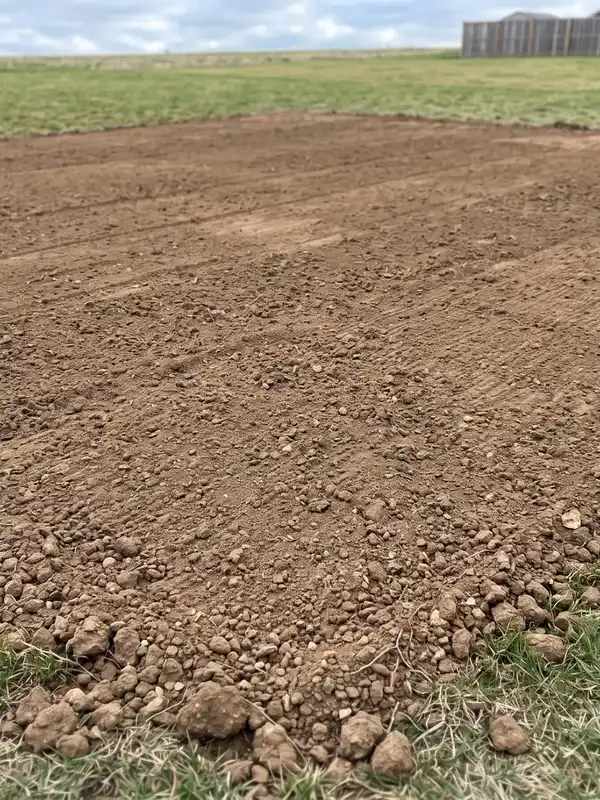
Bulk fill dirt delivered in Fort Smith, AR. Brown color.
Starting from $457.54 delivered to Fort Smith for 2 tons, our minimum order
Fill dirt delivery in Fort Smith, AR is a practical fix for a sunken patio edge, a utility cut that needs closing or a building pad that has to come up before work starts. MyGravelBuddy sells Fill Dirt by the ton, and it arrives in bulk at your address rather than in pickup-sized bags.
Fort Smith sits on the Arkansas River in western Arkansas, close to the Oklahoma line, with roughly 90,000 residents. Older neighborhoods have established lawns and tight lots, while newer edges of town are often graded fresh and left with exposed subsoil that needs building up before it can be landscaped. Buyers here are usually homeowners finishing a yard or contractors working on residential pads and small commercial lots.
For more on the material across the state, see the Fill Dirt in Arkansas overview.
Fill Dirt Delivery in Fort Smith for Local Projects
- Yard low spots. A dip where water sits after a storm can be filled and graded so the surface drains toward the street or a lower lawn area.
- Building pads. Bringing a low or freshly cut pad up to grade where a shed, carport or play set will sit, one of the common jobs on the newer edges of town.
- Utility trenches. Closing a cut after a water or gas line repair so the lawn or driveway edge meets the old grade again.
- Garden beds and edges. Shaping the foundation of a raised bed or border in a tight older lot, ahead of any planting soil.
When a project ends with grass or flowers, Premium Screened Topsoil goes on top of the fill, and it is also priced per ton. Beds that need a top dressing often use Mulch, which is sold by the cubic yard.
Dropping Off Fill Dirt at Your Fort Smith Property
Choose a drop spot that is level enough for the truck, firm enough to hold it and clear of septic lines, sprinkler heads and buried cable. Wet ground after a storm softens quickly, so waiting for a dry stretch keeps the lawn from getting torn up during the drop. The delivery in Fort Smith page has more on how we serve addresses in the city.
Estimating the Volume for Your Fort Smith Project
Take the length and width in feet and the depth in inches, multiply them together and divide by 324 to reach cubic yards. Filled ground sinks as it packs, so add roughly a tenth to the total before you convert it to tons. The calculator can handle the conversion if you want a second set of numbers.
Fill Dirt Pricing by the Ton
Fill Dirt is sold by the ton. The delivered total for your ZIP is worked out live as you order, so the figure you see already includes delivery to your address. Bigger orders bring the rate per ton down, which matters when a single job needs a larger volume at once.
Notes for Small Contractors
Contractors often need fill and a graded base on the same site. The fill goes down first to set the grade, and the base material follows on top. Keeping the two orders separate in your estimate, with the fill figured in tons and the base figured in its own unit, avoids mixing up the totals on the invoice.
Bulk Fill Dirt Versus Bagged Soil
Bagged soil makes sense for a few planters or a single raised bed, where a handful of cubic feet is enough. Once a project moves past a few wheelbarrow loads, bulk fill is the more practical route, since one order covers the whole area and the material does not have to be carried bag by bag. Plan the bulk order for the largest zone first, then size any small touch-up areas from what is left over.
Placing a Fill Dirt Order in Fort Smith
Start with your ZIP, select the tonnage and confirm the delivered figure before you check out. Orders start at 2 tons.
Before you check out, walk the Fort Smith lot once and decide where the single load will be dumped, so the pile lands close to the low spot or pad it is meant for.
About Fill Dirt
Fill Dirt from MyGravelBuddy is brown, natural subsoil meant for filling low areas, backing up trenches and building up grade under slabs, pads and walkways. It is not a planting material, so it makes the base under a finish layer rather than the surface where roots need to grow.
The material is sold by the ton, and one ton is 2,000 pounds. A cubic yard weighs about 2,200 pounds, so a ton comes to a little under one cubic yard. Because it is natural soil, color and moisture change somewhat from load to load, and small stones or bits of root are normal in unscreened subsoil.
Organic debris such as bark, branches or old roots should stay out of the fill, because those pieces rot over time and leave hollows under the surface.
What Fill Dirt costs in Fort Smith
In the Fort Smith market, fill dirt is sold by the ton and priced at the gate before delivery is added on. Send your ZIP and load size and we will send back a same-hour quote with the truck rate and the per-ton figure spelled out. One ton covers about 98 sq ft at a 3 inch finished depth, so a 400 sq ft driveway pad runs roughly 5 tons.
How crews use Fill Dirt in Fort Smith
Crews working out of Fort Smith tend to call for fill dirt on a few repeat jobs each week. The first is erosion control, typically laid in tight urban lots and infill builds with a base lift compacted before the finish course goes on. The second is driveway gravel, which lands here in dense neighborhoods where curb access is short and usually ships as a 4 to 8 ton order. With a population around 90,507, Fort Smith pulls a mix of single-truck homeowner orders and contractor full-loads through the season.
Delivery day in Fort Smith
On the day of the drop, the dispatcher pulls the closest yard, batches your ticket with other Fort Smith stops, and sends a window the night before. Tandem-axle dumps need at least 12 ft of clear width and 14 ft overhead to set the bed; tri-axles need 14 ft of clearance on both counts and a level pad to tip safely. Standard lead time on this lane is Mon-Sat, with same-day windows held open for orders that hit the desk before 11 AM and clear payment.
Related materials we deliver in Fort Smith
 Price by ZIP
- SizeScreened, no size grade
- Density2200 lb/yd³
- ColorDark brown
 Price by ZIP
- Density2000 lb/yd³
- ColorDark brown
 Price by ZIP
- Density1000 lb/yd³
- ColorDark brown
Estimate how much you need
Work out your material
A planning figure, not a guarantee. Order roughly a tenth extra to cover settling and uneven ground.
Browse more
Available in nearby cities
Plan your project
Related guides
 GUIDEGravel Size Chart: Pea Gravel to Crushed StoneA gravel size chart showing pea gravel, crushed stone and river rock diameters side by side, so you can match the right size to your project.Read guide →
 GUIDEThe Different Types of Gravel and How to ChooseA plain-language guide to the main types of gravel, covering pea gravel, crushed stone, river rock and decomposed granite.Read guide →
 GUIDEWhat Are Screenings? A Guide to Crushed Stone FinesScreenings are fine crushed stone used for paver bases, joint fill and walkways. See what screenings are, common types, and mistakes to avoid.Read guide →
 GUIDEWhat to Put Under River Rock for Landscaping BedsHere is what to put under river rock landscaping: a compacted base where needed, then landscape fabric, then rock, to stop weeds and settling.Read guide →
Frequently Asked Questions
How long should fill dirt sit before I build a patio on it?
Give it time to settle before you set pavers or a slab. Fill spread in thin, tamped layers usually needs a few weeks, while a deep, loose fill can keep sinking for months. Watch for dips after your first few hard rains in Fort Smith, and add more material where you see them before the base goes down.
Do I need a permit to bring fill dirt onto my property in Fort Smith?
Rules vary with the job. Light leveling in a backyard is often fine, but raising grade near a foundation, altering drainage or filling land close to the Arkansas River floodplain may need sign-off. Call the City of Fort Smith building or planning staff first, since they can tell you what applies to your lot.
What can I do with extra fill after the job is done?
Use it to top off a sunken corner of the yard, or lay it along a fence line where erosion has worn the ground down. Extra soil that stays in a pile for long should be tarped and kept off the sidewalk and street, so rain does not carry it away.
Will fill dirt have rocks in it?
Possibly. Unscreened subsoil can include small stones and occasional larger pieces. For a finish grade, rake the top layer and remove any rocks bigger than a golf ball before you lay sod or pavers.
Why does my fill dirt smell musty after rain?
Clean subsoil is mostly mineral and normally has only a mild earthy scent. A strong sour or rotten odor points to buried organic debris such as roots or wood. Dig out the affected spot and replace it, because rotting material also leaves voids that settle unevenly.
How do I measure a sloped area for fill?
Measure the depth at the shallow end and again at the deep end, then average those two readings and use that as your depth. For an irregular shape, split it into a few rectangles, work out each one, and add them together before you convert to tons.
Can I order fill dirt for a single trench?
Yes, as long as the total meets the 2-ton minimum. Measure the trench's length, width and depth to see how much material it really takes. Many trenches need less than a ton, in which case bagged product from a store may be the better fit.
What is the difference between fill dirt and crushed stone?
Fill dirt is soil that builds up volume. Crushed stone is a rock product that locks together and drains water, so it suits load-bearing bases under driveways and patios better. Use fill to set the height, then use the stone where the surface has to carry weight.