
Fill Dirt Delivery in Port Saint Lucie, FL
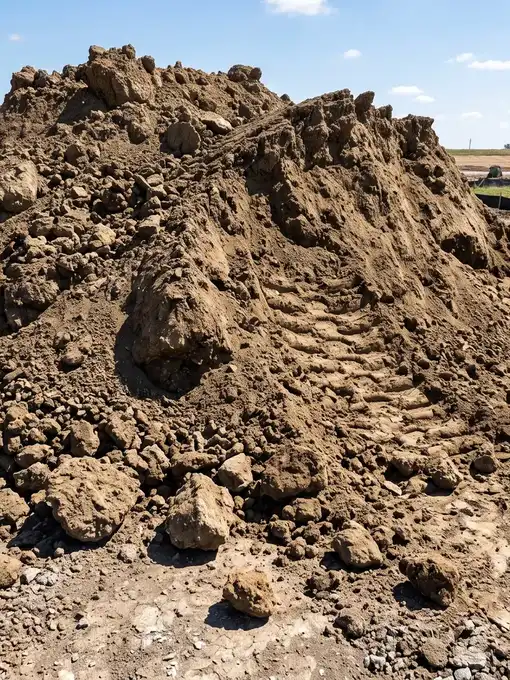
Bulk fill dirt delivered in Port Saint Lucie, FL. Brown color.
Starting from $467.79 delivered to Port Saint Lucie for 2 tons, our minimum order
Builders and homeowners in a city of about 240,000 people spend a lot of time dealing with fill, and fill dirt delivery in Port Saint Lucie, FL is how many of them get it. MyGravelBuddy delivers fill dirt by the ton to your site, and the price for your ZIP appears on the page as you enter it.
Fill dirt delivery in Port Saint Lucie, FL: what it is for
Port Saint Lucie grew from large platted lots, and many of them are flat with a low spot or two. Fill dirt is what you use to even those out. It also goes under new driveways and sheds, behind seawall caps and bulkheads, and around a pool deck or septic area that needs a firm, built-up surface. It is an unscreened brown soil, so it compacts well but it is not a planting soil.
When the project ends in a lawn or garden, finish the surface with Premium Screened Topsoil. For a drainage strip or a decorative edge, Pea Gravel is the better pick.
Delivery to your lot
Many lots here are wide and open, which makes dropping a load easy, but the truck still needs a firm path in. If the ground is soft, ask for the pile at the curb edge or on the driveway and spread it from there. Local details are on the page for delivery in Port Saint Lucie.
West Palm Beach, 43 miles away, is the nearest other city on the nearby list, so Port Saint Lucie has its own ZIP-based pricing.
Getting the quantity right
Take your length and width in feet and your target depth in inches, multiply the three together and divide by 324. That gives cubic yards. One cubic yard of this soil is about 1.1 tons, so convert before you order, or paste your measurements into the calculator and read the tonnage from there.
Round up. Fill loses height as it settles, and an extra ton or two beats stopping a job to wait for a second delivery. Orders start at 2 tons, so even a small yard fix qualifies.
How the price is set
The delivered price is calculated for your ZIP and shown live, and a larger order gets a lower rate per ton. Because the figure updates as you change the tonnage, you can compare a smaller and a larger order side by side before deciding. State-wide information is on the Fill Dirt in Florida page.
Compaction and sandy ground
Much of the area has sandy soil under the surface, which drains quickly and takes a load well once compacted. Spread the fill in layers, run a plate compactor over each, and lightly wet the soil as you go to help it pack. Let the finished fill rest for a few weeks before pouring concrete or setting pavers, so any further settling shows up first.
Ordering steps
Type your ZIP in the price box, pick the tons and add a note describing where the pile should go. Checkout takes a few minutes.
Before the truck comes
Clear vehicles, hoses and toys from the drop area, and mark overhead lines or low branches the driver should know about. Flag any sprinkler heads you want protected, since a heavy truck can crush them.
After the pile lands
Cover a large pile with a tarp if a storm is forecast, so the soil does not turn to mud and run into the street or a neighbor's yard.
Matching the fill to the job
Contractors here often pair this soil with other materials on the same site. A fill pad under a driveway might be topped with #57 Crushed Stone, while a garden edge may use a layer of River Rock over compacted soil. Decide the finish layer first, then work backward to find how deep the fill needs to be, so you do not over-order the base.
Homeowners finishing a back yard should also think about what happens to rainwater once the new grade is in. Shape the surface so it falls gently toward a swale or the street instead of toward the house.
About Fill Dirt
Fill dirt is a plain brown soil sold for building up and leveling ground. It is not screened, so the load holds a range of particle sizes with some small stone mixed in. That range is a benefit for structural fill because the coarse and fine pieces lock together as you compact them.
It is sold by the ton, and a cubic yard weighs around 2,200 pounds. Use it to raise low areas, bring a lot up to grade, backfill trenches and make a stable pad for a shed or slab. Compact it in thin layers and allow some settling time before building on top.
It is a utility material, not a gardening one. If you want to plant, add a screened topsoil layer over the compacted fill.
What Fill Dirt costs in Port Saint Lucie
Around Port Saint Lucie, fill dirt is quoted by the ton with delivery layered in based on distance from the closest yard. Send your ZIP and load size and we will send back a same-hour quote with the truck rate and the per-ton figure spelled out. Plan on roughly 98 sq ft of coverage per ton at 3 inches deep, which puts a single-car driveway in the 4 to 7 ton bracket.
How crews use Fill Dirt in Port Saint Lucie
Port Saint Lucie contractors keep fill dirt on the order sheet for a short list of standard installs. Top of the list is erosion control, where the material is rolled out in tight urban lots and infill builds and screeded to grade. Right behind that is driveway gravel, common in dense neighborhoods where curb access is short and often paired with edging or fabric below the lift. Port Saint Lucie sits at about 240,220 residents, which means we see steady weekday traffic from landscape crews and weekend pickups from owner-builders.
Delivery day in Port Saint Lucie
Delivery in Port Saint Lucie runs out of the nearest pit; you get a two hour arrival window the evening prior and a call when the driver leaves the scale. Plan for 12 ft of clear path for a tandem and 14 ft for a tri-axle, plus a level area at the dump point so the bed lifts straight. Standard lead time on this lane is Mon-Sat, with same-day windows held open for orders that hit the desk before 11 AM and clear payment.
Related materials we deliver in Port Saint Lucie
 Price by ZIP
- SizeScreened, no size grade
- Density2200 lb/yd³
- ColorDark brown
 Price by ZIP
- Density2000 lb/yd³
- ColorDark brown
 Price by ZIP
- Density1000 lb/yd³
- ColorDark brown
Estimate how much you need
Work out your material
A planning figure, not a guarantee. Order roughly a tenth extra to cover settling and uneven ground.
Browse more
Common uses for Fill Dirt in Port Saint Lucie
Available in nearby cities
Plan your project
Related guides
 GUIDEHow Much Does River Rock Cost? By Ton or YardRiver rock cost depends on your ZIP code, order size, and whether you buy by the ton or the cubic yard. Here is how pricing works.Read guide →
 GUIDEWhat Size Crushed Stone Goes Under a Concrete SlabMost slabs need 4 to 6 inches of compacted crushed stone underneath. What size crushed stone under a concrete slab needs, and why it matters.Read guide →
 GUIDEWhat Is Crushed Stone? Sizes, Uses and Buying BasicsCrushed stone is quarried rock crushed and screened into angular pieces sold by the ton. Here is what it is, how it is graded, and where to use it.Read guide →
 GUIDEHow Much Does Gravel Cost? A Practical Pricing GuideHow much does gravel cost and why does it vary? See the real factors behind ton pricing, delivery, and order size before you buy.Read guide →
Frequently Asked Questions
Does fill dirt work for a shed pad?
Yes, it is a typical base for a shed pad. Strip the grass, make the pad wider than the shed on every side so the edges are supported, and check that the top is level with a straightedge. Some people add a layer of crushed stone on top of the soil for extra stability.
Can I plant a tree or shrub in new fill?
Plant into the topsoil layer rather than straight into the fill. A tree set deep in loose fill can lean as the ground below it drops, and the roots struggle in the low organic material. Hold off on trees until the surface has firmed, and set them at the final grade.
Can I use fill dirt around a septic system?
Check with the local health or permitting office first. Septic work has strict rules on what material goes where, and the approved fill may be sand with specific properties. Ask before you order so you do not buy material you cannot use.
Should I strip old sod and roots first?
Yes, strip grass and roots from the area before any fill goes down. Organic material rots under the soil and leaves voids that turn into dips later. Clear trash and old concrete chunks too, and remove mud from any soft spot you plan to fill, since fill over wet organic matter keeps sinking.
How can I tell if the fill is firm enough?
Walk across the surface. If your boots leave deep prints or the ground feels springy, it is not ready. Push a steel rod in at a few spots, and where it sinks easily there is a soft pocket that needs more work. Firm, even resistance across the whole area is what you want before anything heavy goes on top.
How do I estimate for an irregular area?
Break the area into rectangles, measure each, and add the results. For a curved edge, average a few width measurements. Remember that a depth that varies means each section needs its own number, so take the depth at both ends of each piece.
Do I need a permit to add fill to my lot?
It depends on how much fill and where. Large grade changes, work near a seawall or in a drainage easement, and anything tied to a building permit can need approval. Call the city building office before ordering if your project is more than a small yard fix.
Will the truck damage my driveway?
A loaded truck is heavy, and older or thin pavement can crack. If you are worried, lay plywood sheets along the wheel path and tell the driver about any weak spots in the order notes.