
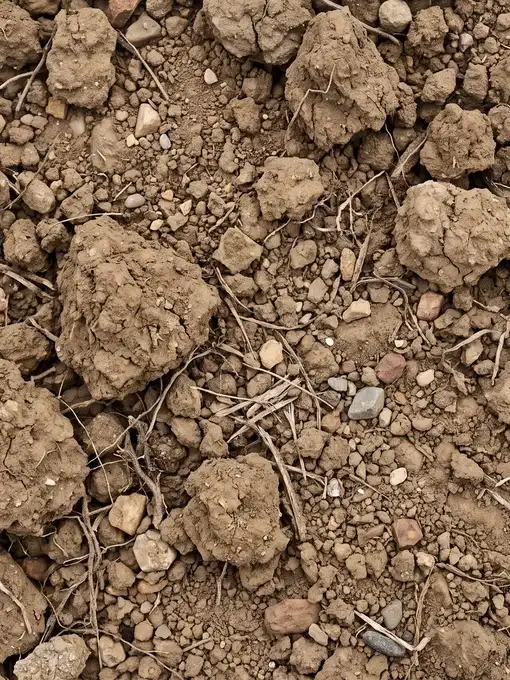
Fill Dirt Delivery in Macon, GA
Bulk fill dirt delivered in Macon, GA. Brown color.
Starting from $483.42 delivered to Macon for 2 tons, our minimum order
Fill dirt delivery in Macon, GA
Macon sits on rolling ground in the middle of Georgia, and few lots here are perfectly flat. The fill we bring to Macon homes and job sites is brown bulk soil, sold by the ton. The delivered price appears for your ZIP on the page. For a wider look at the product, see Fill Dirt in Georgia.
What Macon projects use it for
With about 155,000 people in Macon-Bibb County, projects range from small yard repairs to lot prep for new builds. The common jobs are these:
- Regrading slopes so water runs toward the street instead of the house.
- Filling washouts where heavy rain has cut channels through a yard.
- Backing up a new retaining wall or filling behind a curb.
- Raising a building pad above the surrounding grade.
- Topping off a septic or utility trench after the pipe is in.
Buying by the ton in Macon
This material is sold by the ton, and the smallest order is 2 tons. The delivered price is calculated live for the ZIP you enter, and larger orders get a lower rate per ton. Because the figure on the page is already the delivered number, you can compare it directly against your project budget without adding haul charges in your head.
Warner Robins is 15 miles from Macon, which is close enough that a crew working both cities can order the same material for each job.
Sizing your order
Start with the footprint: length times width in feet, then multiply by depth in inches and divide by 324. The answer is cubic yards. Our brown fill weighs about 2,200 lb per cubic yard, so tons come out slightly higher than the yard figure. If you want to skip the arithmetic, run the numbers in the calculator and round up to the next half ton or so.
Loose fill compresses more than people expect. When you are filling a deep hole, order a bit beyond the measured volume so the finished surface does not end up lower than the target after a season of rain.
Where the load goes
Picture the truck rolling in and tipping its bed. It needs a straight approach and a flat, firm spot. Describe your drop location when you order, and read our notes on delivery in Macon if the access is tight. A pile left at the end of the driveway is easy to spread by hand, while a pile on a lawn will need boards under the wheels.
Pairing fill with other materials
Fill is the bulk layer, not the finish. Gardens and sod need a layer of Premium Screened Topsoil on top, which gives roots a clean, sifted medium. Where water needs a path to a downspout or French drain, Pea Gravel makes a tidy, loose-fitting bed for the pipe.
Keep the layers in order: fill at the bottom, then finish soil or stone above. Mixing them leads to soft spots and uneven settling.
Choosing the right season
Central Georgia gets hard summer thunderstorms and a wet stretch in late winter. Plan the spreading for a dry few days so the soil is workable and the finished grade can firm up before the next storm. Fresh, unseeded fill is the most vulnerable to erosion, so lay seed or cover it quickly if rain is in the forecast.
Midsummer heat bakes a bare pile into a crust, which is harder to break up. An early morning start keeps you comfortable while you rake and tamp.
Spreading and compacting
Rake the pile out in lifts of a few inches. Run a plate compactor or a hand tamper over each lift, working from the edges toward the middle. Stop and recheck the slope with a long level or a string line before adding more.
Damp soil packs better than bone-dry soil, but a soaked pile turns to mush, so a light misting is plenty.
About Fill Dirt
Fill dirt is a plain brown soil meant to take up space, not to grow plants. It is excavated as a blend of clay, sand and silt, and it firms up well when it is spread in thin layers and tamped down. Contractors use it to raise grades, close up holes and backfill against walls or foundations.
The material is unscreened, so a few small stones or hard clumps are normal. A cubic yard of it weighs about 2,200 lb, and it is sold by the ton on this page. Pair it with a screened topsoil cap where you want a lawn or garden, since fill alone is a poor seedbed.
Spread it in layers, tamp each one and let it shed water.
What Fill Dirt costs in Macon
Around Macon, fill dirt is quoted by the ton with delivery layered in based on distance from the closest yard. Send your ZIP and load size and we will send back a same-hour quote with the truck rate and the per-ton figure spelled out. Plan on roughly 98 sq ft of coverage per ton at 3 inches deep, which puts a single-car driveway in the 4 to 7 ton bracket.
How crews use Fill Dirt in Macon
Macon contractors keep fill dirt on the order sheet for a short list of standard installs. Top of the list is erosion control, where the material is rolled out in tight urban lots and infill builds and screeded to grade. Right behind that is driveway gravel, common in dense neighborhoods where curb access is short and often paired with edging or fabric below the lift. Macon sits at about 156,512 residents, which means we see steady weekday traffic from landscape crews and weekend pickups from owner-builders.
Delivery day in Macon
Delivery in Macon runs out of the nearest pit; you get a two hour arrival window the evening prior and a call when the driver leaves the scale. Plan for 12 ft of clear path for a tandem and 14 ft for a tri-axle, plus a level area at the dump point so the bed lifts straight. Standard lead time on this lane is Mon-Sat, with same-day windows held open for orders that hit the desk before 11 AM and clear payment.
Related materials we deliver in Macon
 Price by ZIP
- SizeScreened, no size grade
- Density2200 lb/yd³
- ColorDark brown
 Price by ZIP
- Density2000 lb/yd³
- ColorDark brown
 Price by ZIP
- Density1000 lb/yd³
- ColorDark brown
Estimate how much you need
Work out your material
A planning figure, not a guarantee. Order roughly a tenth extra to cover settling and uneven ground.
Browse more
Common uses for Fill Dirt in Macon
Available in nearby cities
Plan your project
Related guides
 GUIDEWhat Are Screenings? A Guide to Crushed Stone FinesScreenings are fine crushed stone used for paver bases, joint fill and walkways. See what screenings are, common types, and mistakes to avoid.Read guide →
 GUIDEWhat to Put Under River Rock for Landscaping BedsHere is what to put under river rock landscaping: a compacted base where needed, then landscape fabric, then rock, to stop weeds and settling.Read guide →GUIDEHow to Clean River Rock and Restore Its ColorLearn how to clean river rock landscaping with rinsing, soap and vinegar methods, plus common mistakes to avoid for a brighter, longer lasting rock bed.Read guide →
 GUIDEHow to Lay a Gravel Driveway: Step-by-Step GuidePractical, field-tested guide: how to lay gravel driveway. Pulled from real US installer notes and 2026 supplier price data.Read guide →
Frequently Asked Questions
Is fill dirt the same as topsoil?
No. Topsoil is darker, screened and rich in organic matter, so plants root in it. Fill dirt is subsoil used for bulk and grade. It packs firmly but grows little, which is why the two are bought for different layers of the same project and priced and sold on their own pages.
How much weight can a fill dirt pad hold?
That depends on how well it is compacted and what it sits on. A shed or light structure does fine on tamped layers. For a house or driveway, a builder or engineer should specify the compaction, and their spec should be in hand before you order.
Can I order less than a full truckload?
The smallest order is 2 tons, which is a small pile rather than a full truck. That works for a patch repair or a short trench. Larger quantities come in the same way, just in bigger drops, and the rate per ton drops as the order grows.
What should I do about clay lumps?
Break them up with the back of a rake or run a tamper over them while the soil is damp. Lumps larger than a fist should be crushed or pulled out, because they leave air pockets when they dry. Smaller clumps settle into the layer without trouble.
Do I need to strip the grass before filling?
Yes, for any fill deeper than a few inches. Thick sod and roots rot over time and leave voids under the new surface. Scrape off the grass and loose debris first, and rough up hard ground so the first lift bonds to it instead of sliding across the top.
What if there is standing water where I want to fill?
Drain or pump it out first, and let the ground firm up before the load goes down. Fill dropped into mud sinks and stays soft. If water keeps returning, find where it comes from, such as a downspout or a neighbor's slope, and redirect it before you build the area up.
What if I need more after the first load?
Order a second load from the same page and the delivered price shows again for your ZIP. Fill from separate loads blends well, since it is all the same general brown soil. Spread the new pile into the old layer rather than leaving a visible seam.
Can I use fill dirt to fix a washout?
Yes, it is one of the most common uses. Clear loose debris from the channel, add fill in thin lifts and tamp each one so rain cannot cut through it again. Check where the water entered the yard, since a washout that keeps returning usually points to a path that needs redirecting.