
Fill Dirt Delivery in Shreveport, LA by the Ton
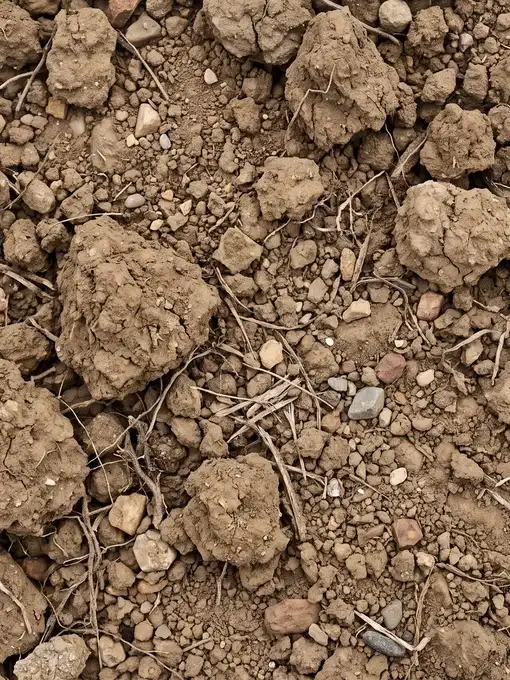
Bulk fill dirt delivered in Shreveport, LA. Brown color.
Starting from $495.35 delivered to Shreveport for 2 tons, our minimum order
Low spots, washed-out edges and new slabs all need the same thing in Shreveport: clean, compactable brown fill. This page covers fill dirt delivery in Shreveport, LA, for homeowners and small contractors who want it dumped straight at the job.
Fill dirt delivery in Shreveport, LA: how it works
Shreveport sits in the Red River valley, where the ground is flat in most neighborhoods and heavy clay shows up in many yards. That clay holds water, which is why people bring in fill to raise a pad, level a backyard or build a gentle grade away from the house.
If you want the logistics for the city as a whole, the page on delivery in Shreveport covers how orders reach the area. For the wider product range across the state, see Fill Dirt in Louisiana.
Best uses for fill in Shreveport yards
- Raising a low yard: after heavy spring rain, flat lots around the Red River valley hold standing water. A few inches of fill brings the surface above the wet zone.
- Building up a pad: sheds, small slabs and patios sit better on a compacted base of fill than on soft native clay.
- Backfilling: trenches, around foundations and behind retaining walls need material that packs down without much fuss.
- Filling holes and washouts: old stump holes, erosion gullies and sunken utility cuts.
Pairing fill with stone
Fill rarely works alone on a driveway or walkway project. A common build is fill for the subgrade, then a stone layer on top. #57 Crushed Stone makes a firm driveway or drainage base over the dirt, and Pea Gravel suits paths and patio bases where a smoother surface underfoot matters. Both are also sold by the ton for Shreveport delivery, so you can order the whole project from one place.
How much you need
Start with the area you want to raise: length times width in feet, times the depth of fill in inches, divided by 324, gives cubic yards. Fill dirt runs roughly 2,200 lb per cubic yard, so one cubic yard weighs a little over a ton. That means a 10 by 20 foot pad built up 6 inches needs about 3.7 cubic yards, or around 4 tons.
You can skip the arithmetic with the calculator, which handles the conversion to tons for you. Whatever number it gives, round up. Loose fill packs down once it is wet and tamped, and a short load means a second order and another trip.
Getting it delivered and placed
Orders arrive by truck and are dumped in one pile, so decide in advance where the load goes. Shreveport has plenty of tight residential streets and driveways with low tree limbs and overhead lines, and a dump truck needs clear room above and beside the spot. Pick a pad of bare ground or a tarp near the work area, then move the pile with a wheelbarrow or a skid steer.
Preparing the ground before the load arrives
Fill goes down best on a cleaned surface. Strip the grass, roots and any loose organic debris from the area first, because buried sod rots over time and leaves a soft layer that sinks under a slab or shed. In Shreveport's clay soils, scrape the wet surface back to firmer ground if you can, then rake it level so the first lift has an even bed.
Set a few stakes or string lines at the finished height before the truck shows up. With a visible target, you can spread the pile in even layers and see right away when an area is high or low. Mark any buried utility lines, sprinkler heads and drain outlets too, so nobody drives or tamps over them. A hand tamper works for small spots, while a rented plate compactor makes quicker work of a full pad.
Pricing and ordering
Put in your ZIP, choose your tons, and the checkout shows the delivered price, including the lower per ton rate that applies to bigger loads. For Shreveport fill, the smallest order is 2 tons. If your project needs more than one material, add each one to the same cart.
Frequently asked questions
The answers below cover the questions that come up most often with fill orders.
About Fill Dirt
Fill dirt is a general-purpose brown earth used to raise grade, fill low areas and build a stable base before other work begins. It is not screened topsoil, so expect a mix of clay and sand with the occasional small stone, and no added compost or fertilizer.
Its strength is how well it compacts. Spread in thin layers and tamped, it forms a firm, even surface for slabs, sheds, driveways and backfill. It is also a cheap way to move a lot of volume when appearance does not matter.
Because it carries little organic matter, it will not support a healthy lawn on its own. Plan to cap it with a few inches of topsoil if you want grass or plants. Fill dirt is sold by the ton, and the smallest order is 2 tons.
What Fill Dirt costs in Shreveport
Local Shreveport yards quote fill dirt by the ton; the delivered number includes fuel, the truck, and the haul. Send your ZIP and load size and we will send back a same-hour quote with the truck rate and the per-ton figure spelled out. A ton of this material spreads across about 98 sq ft when laid 3 inches deep, useful when you are sizing a patio base or a walkway run.
How crews use Fill Dirt in Shreveport
In and around Shreveport, fill dirt shows up most often on two project types. The most common deployment is erosion control, often in tight urban lots and infill builds in two to three inch lifts. Second on the list is driveway gravel, which we see in dense neighborhoods where curb access is short on partial-truck deliveries. At roughly 176,578 people, the Shreveport order mix leans toward 3 to 8 ton residential drops with the occasional 16 ton job for a contractor.
Delivery day in Shreveport
A typical Shreveport drop is dispatched from the closest yard with a two hour window and a heads-up call once the truck is loaded. Tandem trucks want a 12 ft lane in and out; tri-axles need 14 ft, and both want firm ground at the tipping spot so the load releases cleanly. Standard lead time on this lane is Mon-Sat, with same-day windows held open for orders that hit the desk before 11 AM and clear payment.
Related materials we deliver in Shreveport
 Price by ZIP
- SizeScreened, no size grade
- Density2200 lb/yd³
- ColorDark brown
 Price by ZIP
- Density2000 lb/yd³
- ColorDark brown
 Price by ZIP
- Density1000 lb/yd³
- ColorDark brown
Estimate how much you need
Work out your material
A planning figure, not a guarantee. Order roughly a tenth extra to cover settling and uneven ground.
Browse more
Common uses for Fill Dirt in Shreveport
Available in nearby cities
Plan your project
Related guides
 GUIDEHow Much Does Gravel Cost? A Practical Pricing GuideHow much does gravel cost and why does it vary? See the real factors behind ton pricing, delivery, and order size before you buy.Read guide →GUIDEGravel Size Chart: Pea Gravel to Crushed StoneA gravel size chart showing pea gravel, crushed stone and river rock diameters side by side, so you can match the right size to your project.Read guide →
 GUIDEThe Different Types of Gravel and How to ChooseA plain-language guide to the main types of gravel, covering pea gravel, crushed stone, river rock and decomposed granite.Read guide →
 GUIDEWhat Are Screenings? A Guide to Crushed Stone FinesScreenings are fine crushed stone used for paver bases, joint fill and walkways. See what screenings are, common types, and mistakes to avoid.Read guide →
Frequently Asked Questions
Can fill dirt be used under a concrete slab?
Yes, if it is placed in thin lifts and compacted well. Spread layers of about 4 to 6 inches, tamp each one, and check for soft spots before pouring. Slabs that carry vehicles or heavy loads should be reviewed by a local engineer or contractor, since the subgrade requirements depend on the design.
Will fill dirt grow grass?
Not reliably. Fill is mostly subsoil with little organic matter, so seed struggles to root in it. Put down a few inches of topsoil over the compacted fill, rake it smooth, and then seed or lay sod. That gives roots something to hold and keeps the fill doing its structural job underneath.
How much does a ton of fill dirt cover?
One ton spreads over roughly 100 square feet at about 2.5 inches deep, though it varies with moisture and how tightly it is compacted. The calculator linked above turns your measurements into tons without guesswork.
Does the dirt arrive wet or dry?
It arrives in whatever condition the stockpile is in, which follows recent weather. After rain it can be heavy and clumpy. It is still fine to use, but let a thick pile dry for a day before spreading, and avoid compacting it while it is soggy or it will pump under the roller.
Can I order less than a full truckload?
The smallest order is 2 tons, and you choose any quantity from there. If you are unsure of the size, measure the area first and use the calculator to see what the job needs.
What should I do with the pile if I cannot spread it right away?
In Shreveport, cover the pile with a tarp and weigh down the edges. That keeps rain from turning it to mud and stops runoff from carrying fines into the street or storm drain. Keep the pile off sidewalks and away from the curb, and check whether your neighborhood association or city has rules about material staged in front of a property.
Can I use fill dirt in a raised garden bed?
It is not a good choice for the planting layer. Use it only for bulking out the bottom of a deep bed, then top with a proper growing mix. Fill has little nutrient content and tends to compact, so roots and water struggle to move through it.
Is fill dirt good for drainage?
Not by itself. Clay-heavy fill holds water, so it is better at building grade than moving it. When drainage is the goal, shape the fill so it slopes away from the structure, and pair it with a stone layer where water needs a path to travel.