
Bulk Fill Dirt Delivery in Brooklyn Park, MN
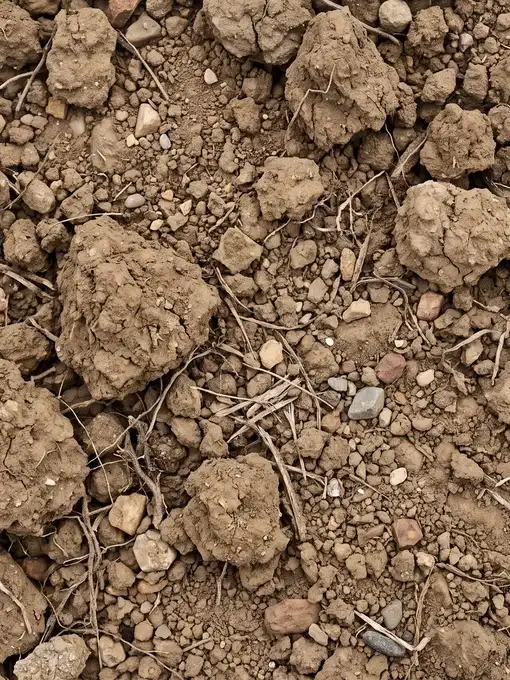
Bulk fill dirt delivered in Brooklyn Park, MN. Brown color.
Starting from $507.30 delivered to Brooklyn Park for 2 tons, our minimum order
Fill dirt delivery in Brooklyn Park, MN covers a fairly narrow set of jobs: building up a low back corner, raising the grade where a shed or garage addition will sit, and backfilling after a drainage or sewer repair. This page starts with the sizing math, then covers the local ground conditions, delivery planning and ordering, so you can check the numbers before you commit to a load.
How much fill dirt a Brooklyn Park project needs
Start with the length and width of the area in feet, and the depth you want in inches. Multiply the three numbers together, then divide by 324 to get cubic yards. Since one cubic yard of this material weighs about 2,200 pounds, cubic yards times 1.1 gives tons. A 12 by 15 foot area at 4 inches deep works out to about 2.2 cubic yards, or roughly 2.4 tons. Use the calculator for a second check if the shape is irregular.
Local overview of fill dirt in Brooklyn Park
Brooklyn Park is a large northwest suburb of Minneapolis, with about 83,000 residents and a lot of neighborhoods built over several decades. Many lots were graded for houses that went up long ago, so a yard may have low corners, a sunken patio or a strip along the driveway that has dropped over the years. Older foundations can also end up with ground that pulls away from the wall, and that gap is a common reason homeowners order fill.
Nearby cities and rough distances:
- Coon Rapids, about 5 miles away
- Maple Grove, about 6 miles away
- Blaine and Plymouth, each about 8 miles away
- Minneapolis, about 10 miles away
Best uses for fill dirt in Brooklyn Park
Fill works well when the goal is bulk height. Homeowners raise a patio or shed pad, fill a sunken spot beside a driveway, or build a low berm for a row of shrubs. Contractors use it to build up building pads, to fill trenches after a utility job, and to bring a sloped lot to a workable level. It is a poor choice for the final layer under grass or a flower bed, which needs screened topsoil on top.
Water is the reason many of these jobs happen. Grade should fall away from the house, and a dip near the foundation holds runoff against the wall. Building the new surface with a gentle, steady fall usually does more for drainage than any amount of extra material in one spot.
Fill dirt delivery to your Brooklyn Park address
Walk the route from the street to the spot you want filled before you place the order. Note tight turns, soft lawn edges, sprinkler heads and overhead lines, since these decide where the material can land. A spot on a paved surface or a clear gravel area keeps tires off the grass. If the truck has to stop at the curb, plan a wheelbarrow route and clear it early, so the crew is not waiting on you when the load comes off.
More detail is on the delivery in Brooklyn Park page.
Pricing notes for Brooklyn Park orders
Fill dirt is sold by the ton. The live engine calculates the delivered price for your ZIP and shows it on the page, so the total you see is for your location before you buy. Bigger orders bring the rate per ton down, which helps when a single project covers several areas that can all be filled from one drop.
Other materials for Brooklyn Park yards
A finish layer changes the job. Premium Screened Topsoil is sold by the ton and is the better choice for seeding and planting once the fill is in place. Mulch is sold by the cubic yard and works for beds after the grade is set and the soil has been worked over.
Ordering fill dirt in Brooklyn Park, MN
Put your Brooklyn Park tonnage in, read the delivered price for your ZIP, then check out. Anything under 2 tons is not available, so a small patch may be better served by a larger load that covers a nearby low area as well. Keep the order size close to the calculated figure.
Brooklyn Park is one of many Minnesota cities with a fill dirt listing, and you can browse the rest on the Fill Dirt in Minnesota page.
About Fill Dirt
Fill dirt is a brown, earthy material made for bulk height rather than for growing things. It supplies the body of a raised area, and a finish layer goes on top of it. Yards, pads and trenches all use it for that job.
A cubic yard of fill weighs roughly 2,200 pounds, which puts a ton at a little under one cubic yard. That weight shapes how a load behaves on site. A pile sits tall and holds its shape until it is spread, and it is much easier to move with a shovel after it has been broken up slightly.
Fill dirt is not a finished surface. Its structure is open and its fine particles are limited, so it does not hold moisture the way a garden soil does. Plan on a separate layer for grass, flowers or shrubs, and treat the fill as the foundation of the project rather than the last step.
What Fill Dirt costs in Brooklyn Park
Around Brooklyn Park, fill dirt is quoted by the ton with delivery layered in based on distance from the closest yard. Send your ZIP and load size and we will send back a same-hour quote with the truck rate and the per-ton figure spelled out. Plan on roughly 98 sq ft of coverage per ton at 3 inches deep, which puts a single-car driveway in the 4 to 7 ton bracket.
How crews use Fill Dirt in Brooklyn Park
Brooklyn Park contractors keep fill dirt on the order sheet for a short list of standard installs. Top of the list is erosion control, where the material is rolled out in tight urban lots and infill builds and screeded to grade. Right behind that is driveway gravel, common in dense neighborhoods where curb access is short and often paired with edging or fabric below the lift. Brooklyn Park sits at about 82,893 residents, which means we see steady weekday traffic from landscape crews and weekend pickups from owner-builders.
Delivery day in Brooklyn Park
Delivery in Brooklyn Park runs out of the nearest pit; you get a two hour arrival window the evening prior and a call when the driver leaves the scale. Plan for 12 ft of clear path for a tandem and 14 ft for a tri-axle, plus a level area at the dump point so the bed lifts straight. Standard lead time on this lane is Mon-Sat, with same-day windows held open for orders that hit the desk before 11 AM and clear payment.
Related materials we deliver in Brooklyn Park
 Price by ZIP
- SizeScreened, no size grade
- Density2200 lb/yd³
- ColorDark brown
 Price by ZIP
- Density2000 lb/yd³
- ColorDark brown
 Price by ZIP
- Density1000 lb/yd³
- ColorDark brown
Estimate how much you need
Work out your material
A planning figure, not a guarantee. Order roughly a tenth extra to cover settling and uneven ground.
Browse more
Available in nearby cities
Plan your project
Related guides
 GUIDEWhat Is Crushed Stone? Sizes, Uses and Buying BasicsCrushed stone is quarried rock crushed and screened into angular pieces sold by the ton. Here is what it is, how it is graded, and where to use it.Read guide →
 GUIDEHow Much Does Gravel Cost? A Practical Pricing GuideHow much does gravel cost and why does it vary? See the real factors behind ton pricing, delivery, and order size before you buy.Read guide →GUIDEGravel Size Chart: Pea Gravel to Crushed StoneA gravel size chart showing pea gravel, crushed stone and river rock diameters side by side, so you can match the right size to your project.Read guide →
 GUIDEThe Different Types of Gravel and How to ChooseA plain-language guide to the main types of gravel, covering pea gravel, crushed stone, river rock and decomposed granite.Read guide →
Frequently Asked Questions
Can fill dirt be used under a shed or small garage slab?
Fill dirt is commonly used to bring a pad up to the right height before a slab or a shed floor goes in. The pad itself is usually prepared with a firmer, better-graded material on top, so ask the builder what they want under the slab. Fill gives the bulk height, and the prepared surface gives the slab even support.
Can fill dirt be used to level a sunken walkway?
Fill can bring a sunken walkway back up to height, but the walking surface needs a firmer base and a finish on top. Pavers or stone set on a prepared base hold their shape, while fill alone will shift under foot traffic.
What tools do I need to spread fill dirt?
A square shovel, a landscape rake and a hand tamper cover most small jobs. Larger areas go faster with a compact loader or skid steer rented for the day. Wear boots and gloves, since shovel work adds up quickly on a pile this heavy.
Is there a minimum depth I should aim for?
There is no single right depth, because it depends on what the finished surface has to carry. A few inches can work for a lawn edge or a shallow low spot, and a larger grade change needs more. Decide the finished grade first, then work backward to the depth you need.
Can fill dirt be left in a pile in the yard?
A pile can sit for a short time, but it spreads out in the rain and can run onto neighboring ground or into a storm drain. Plan to spread the load soon after it arrives. If you need more time, keep the pile on a tarp and out of the path of runoff while you prepare the area.
How long does fill take to settle?
Settling usually continues for a while after placement, and the pace depends on the weather and on how the material was spread. Expect to add a little material to a low spot once the ground has had time to firm up. Plan the finish layer for after that, where the schedule allows.
Can I use fill dirt to fill a stump hole?
Yes, once the stump and any large roots are removed. Fill the hole in layers, firm each one, and leave a slight mound because the material will sink as the old wood breaks down. Keep wood and yard debris out of the hole, since they rot and leave a sunken spot later.
Can fill dirt go against a wood fence or siding?
Keep the fill below the top of any wood fence board or siding, and leave a small gap so the wood stays dry. Soil that stays wet against wood tends to speed up rot. If the fence sits on a grade change, ask whether a retaining section is needed before the fill goes in.