
Fill Dirt Delivery in Fargo, ND for Yards and Grading
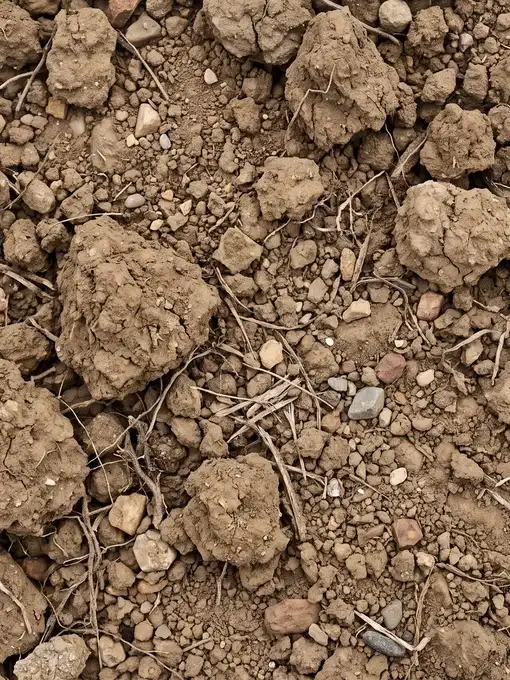
Bulk fill dirt delivered in Fargo, ND. Brown color.
Starting from $492.38 delivered to Fargo for 2 tons, our minimum order
Fill dirt delivery in Fargo, ND begins with a single number: how many tons the job needs. This material is sold by the ton, and the smallest order is 2 tons. Small leveling jobs and raised beds often fall in a range of a few tons, so measuring before you order keeps the delivery from being either short or wasteful.
What fill dirt does in a Fargo yard
Fargo sits on the flat Red River Valley, where the soil is often heavy and clay-rich. Fill dirt gives you bulk and height. It is the layer you place underneath everything else, which makes it useful for lifting a low corner, closing a dip where water collects, or building grade up along a foundation so runoff moves away from the house. Once it is on site, spread it in thin passes with a rake or a box blade rather than leaving it in one heap, which keeps the finished grade even.
Common jobs around town
- Leveling a backyard that dips toward the fence line
- Filling a settled spot beside a driveway apron
- Raising the grade under a gravel base for a shed or a small patio
- Raising the soil level for a new garden bed
Best uses for fill dirt in Fargo
Fill dirt is the bulk layer, not the finish layer. Where the surface has to carry vehicles, a gravel base usually performs better, and #57 Crushed Stone is a common pick for that base. Use fill dirt for mass and height, and save the harder material for the parts of the project that bear weight. Where the new fill meets an existing lawn, feather the edge so the transition does not show a ridge after the first rain.
How much fill dirt you need
Measure the area in feet, then multiply length by width by depth in inches and divide by 324. The result is cubic yards. Fill dirt weighs about 2,200 pounds per cubic yard, and a ton is 2,000 pounds, so a ton covers a little less than one cubic yard. Convert your cubic yards into tons with that ratio, and you have the figure to enter at checkout.
Soil compacts once it is packed down, so a 4-inch layer will end up thinner than 4 inches. Plan a little extra depth for that. If you want the math done for you, the calculator turns your measurements into an estimate you can compare against.
Fill dirt delivery in Fargo, ND
The city delivery page explains how orders are handled in Fargo: delivery in Fargo is the place to check the local details. Before the truck arrives, clear a spot wide enough for the drop and make sure there is room for it to turn around. A path that is clear and firm makes the drop quicker and keeps the material out of the grass.
Frozen or waterlogged ground makes packing fill much harder, so plan the grading for a day when the soil is workable.
Pricing and ordering fill dirt in Fargo
Each order is priced for the ZIP it ships to. The delivered price for your ZIP is calculated live and shown on the page, and larger orders get a lower rate per ton. If you are weighing this against a base layer, Asphalt Millings is priced the same way, per ton, and its page shows its own delivered number.
- Pick your tonnage, using the measurement you worked out above.
- Review the order summary at checkout before you confirm.
Fill dirt across North Dakota
Fargo is one of several North Dakota cities we serve with bulk material. If your project is in another town, start at Fill Dirt in ND to see the material and the city pages that cover it. Fargo is home to about 136,000 people, and many of them are working on lawns, driveways, and garden beds in the same way.
About Fill Dirt
About this material
Fill dirt is a brown, bulk soil material sold in the Soil and Dirt category. It is used to build up grade, fill low spots, and provide the mass under a finished surface. Because it is heavy, it is ordered and delivered by the ton.
Fill dirt is not a finish layer. It is not meant to be seeded or planted directly, so most projects put a topsoil or planting layer on top after the fill is in place. It works best as the bottom layer of a grading job, where the surface above it will carry the wear.
What Fill Dirt costs in Fargo
In the Fargo market, fill dirt is sold by the ton and priced at the gate before delivery is added on. Send your ZIP and load size and we will send back a same-hour quote with the truck rate and the per-ton figure spelled out. One ton covers about 98 sq ft at a 3 inch finished depth, so a 400 sq ft driveway pad runs roughly 5 tons.
How crews use Fill Dirt in Fargo
Crews working out of Fargo tend to call for fill dirt on a few repeat jobs each week. The first is erosion control, typically laid in tight urban lots and infill builds with a base lift compacted before the finish course goes on. The second is driveway gravel, which lands here in dense neighborhoods where curb access is short and usually ships as a 4 to 8 ton order. With a population around 136,285, Fargo pulls a mix of single-truck homeowner orders and contractor full-loads through the season.
Delivery day in Fargo
On the day of the drop, the dispatcher pulls the closest yard, batches your ticket with other Fargo stops, and sends a window the night before. Tandem-axle dumps need at least 12 ft of clear width and 14 ft overhead to set the bed; tri-axles need 14 ft of clearance on both counts and a level pad to tip safely. Standard lead time on this lane is Mon-Sat, with same-day windows held open for orders that hit the desk before 11 AM and clear payment.
Related materials we deliver in Fargo
 Price by ZIP
- SizeScreened, no size grade
- Density2200 lb/yd³
- ColorDark brown
 Price by ZIP
- Density2000 lb/yd³
- ColorDark brown
 Price by ZIP
- Density1000 lb/yd³
- ColorDark brown
Estimate how much you need
Work out your material
A planning figure, not a guarantee. Order roughly a tenth extra to cover settling and uneven ground.
Browse more
Common uses for Fill Dirt in Fargo
Available in nearby cities
Plan your project
Related guides
 GUIDEWhat Is Crushed Stone? Sizes, Uses and Buying BasicsCrushed stone is quarried rock crushed and screened into angular pieces sold by the ton. Here is what it is, how it is graded, and where to use it.Read guide →
 GUIDEHow Much Does Gravel Cost? A Practical Pricing GuideHow much does gravel cost and why does it vary? See the real factors behind ton pricing, delivery, and order size before you buy.Read guide →GUIDEGravel Size Chart: Pea Gravel to Crushed StoneA gravel size chart showing pea gravel, crushed stone and river rock diameters side by side, so you can match the right size to your project.Read guide →
 GUIDEThe Different Types of Gravel and How to ChooseA plain-language guide to the main types of gravel, covering pea gravel, crushed stone, river rock and decomposed granite.Read guide →
Frequently Asked Questions
Is fill dirt the same as topsoil?
No. Fill dirt is subsoil-type material used to build up height and fill low areas. Topsoil is the material to look at rather than fill dirt.
Do I need a permit before changing the grade of my yard in Fargo?
It depends on the work. Large grade changes, changes near a property line, and anything that affects a drainage ditch or a neighbor's yard can need approval. Contact the city's planning or public works office before you start. This page does not cover local rules, so treat that office as the source of truth for your address.
Can I use fill dirt in a vegetable garden?
Fill dirt works well as the bulk under a raised bed, but it is not meant for growing food directly. Bulk material can vary in composition from load to load. If you plan to grow vegetables in the native ground after filling, have the soil tested first so you know what you are starting with.
What should I do with old sod and roots before fill goes down?
Remove the sod, roots, and any leftover construction debris from the area first. Organic material left under fill breaks down over time and leaves soft, sunken spots in the surface. Cutting the sod out in sections and hauling it away is easier than trying to bury it under the new layer.
How do I measure an oddly shaped area for fill dirt?
Sketch the area on paper, then divide it into simple rectangles and triangles. Measure each piece, work out its cubic yards using the depth you want, and add the totals. Keep the depth consistent across the whole area so the numbers line up. Rounding up a little at the end covers small measuring errors.
Can I mix fill dirt with the soil already in my yard?
Yes, for leveling work it is common to blend new fill into the existing soil along the edges so the two layers knit together. Break up hard clods of native clay as you go, and avoid leaving a sharp seam between old and new material, since a seam can hold water and settle unevenly.
Who should I call for a large grade change near a house?
For a big change in elevation close to the foundation, speak with a licensed excavation contractor or a civil engineer. They can check slopes, drainage paths, and soil conditions on site. A small leveling job in the backyard usually does not need that step, but a change that affects where water flows does.
What should I do if the fill arrives before I am ready to spread it?
Keep the pile on a firm, flat spot away from storm drains, gutters, and the low path water takes across the yard. A tarp held down at the edges keeps rain from turning the pile to mud and washing soil onto the street. Spread it as soon as you can, working from the pile outward.