
Fill Dirt Delivery in Erie, PA by the Ton
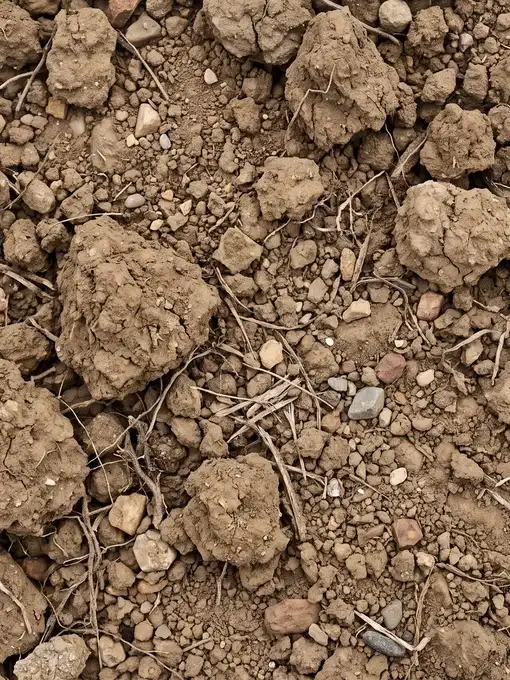
Bulk fill dirt delivered in Erie, PA. Brown color.
Starting from $451.42 delivered to Erie for 2 tons, our minimum order
Fill dirt delivery in Erie, PA gives you bulk soil for jobs that need volume more than looks: raising a lakeside yard, filling a low corner or backing up a new foundation. Erie has about 93,000 residents, and the older houses, the newer lots and the properties near the water each bring different grading needs. For Erie projects, fill dirt is sold by the ton through MyGravelBuddy.
Fill dirt delivery in Erie, PA by the ton
Each order is entered in tons, and the delivered price for your ZIP is calculated live and shown on the product page before checkout. Larger orders get a lower rate per ton, so combining the whole job into one order usually beats several smaller ones. In Erie, the smallest fill dirt order is 2 tons.
Ordering takes a few minutes: type in your ZIP, enter the tons from your measurements and finish at checkout. If the same property needs stone or other bulk material, Pea Gravel is listed for Erie with its own price page.
Where fill dirt fits on an Erie property
- Low corners: Lift a spot where water stands after heavy rain so the surface stops holding puddles.
- Foundation backfill: Bring the grade up around a wall or slab and add the soil in layers, packing each layer as you go.
- Shed and garage pads: Build a level, firm base before a concrete slab or a frame goes down.
- Sunken driveway edges: Fill the shoulder where the drive has dropped below the lawn.
Fill dirt is not a planting medium. Its low organic matter and tight texture make it hard for roots to spread, so beds and lawns need Premium Screened Topsoil over the top. Put the fill down first, then finish with topsoil where you plan to grow something.
How much fill dirt to order in Erie
Take a sunken corner of a lakeside yard that measures 20 feet by 15 feet and needs 6 inches of fill. Multiplying 20 by 15 by 6 gives 1,800, and dividing by 324 leaves about 5.6 cubic yards. With fill at roughly 2,200 pounds per cubic yard, each yard is about 1.1 tons, so that corner needs around 6 tons. Order a little more than the math says. Packed fill still drops a bit as it settles, and a level grade is easier to finish with a small surplus than with a shortfall.
Use the calculator as a rough check, since it is built for gravel driveways rather than fill. Confirm the finished depth you want before you choose a tonnage.
Delivery and the drop spot in Erie
Choose the drop spot before the order goes in. Pick a place where the load can be set down without blocking a walkway, and confirm the truck can reach it. A tight driveway, a fenced yard or a soft patch of lawn can change where the material ends up, so walk the route first. Details for the city are on the delivery in Erie page.
Shaping the grade around an Erie house
Heavy lake-season rain and snowmelt make the final slope matter as much as the volume. Around a foundation, the ground should fall gently away from the wall so water runs toward the yard instead of the basement. Check the slope with a long straight board and a level once the fill is down, and add or pull back soil until the surface drains the right way. Do this before you plant or lay sod, because a grade that holds water is far harder to correct after the finish layer is on.
Fill dirt and crushed stone
Fill dirt and crushed stone, such as #57 crushed stone, makes a firmer top layer for a drive or path. If you want a surface that carries traffic and keeps its edges, the stone is the better buy, and fill can raise the ground beneath it.
Fill dirt across Pennsylvania
For the statewide overview, see Fill Dirt in Pennsylvania, which covers the state as a whole and links to the other materials we list there.
About Fill Dirt
About this material
Fill dirt is brown, unscreened subsoil that comes out of excavation work. Each load carries whatever the dig produced, which is usually a blend of clay, silt and sand with some small stones mixed in. The texture is not uniform, and that is expected for a product chosen for bulk rather than appearance.
Each cubic yard of loose fill runs about 2,200 pounds. Orders are entered in tons, and a ton is 2,000 pounds, so a cubic yard runs a little more than one ton. Ordering by weight keeps the quantity tied to what is on the truck rather than to how a pile looks.
It works as filler. Once worked into place it holds a shape, and it raises grade over a wide area without the cost of a screened product. Because it is a filler, it is normally buried under or covered by whatever surface goes on top.
What Fill Dirt costs in Erie
In the Erie market, fill dirt is sold by the ton and priced at the gate before delivery is added on. Send your ZIP and load size and we will send back a same-hour quote with the truck rate and the per-ton figure spelled out. One ton covers about 98 sq ft at a 3 inch finished depth, so a 400 sq ft driveway pad runs roughly 5 tons.
How crews use Fill Dirt in Erie
Crews working out of Erie tend to call for fill dirt on a few repeat jobs each week. The first is erosion control, typically laid in tight urban lots and infill builds with a base lift compacted before the finish course goes on. The second is driveway gravel, which lands here in dense neighborhoods where curb access is short and usually ships as a 4 to 8 ton order. With a population around 93,475, Erie pulls a mix of single-truck homeowner orders and contractor full-loads through the season.
Delivery day in Erie
On the day of the drop, the dispatcher pulls the closest yard, batches your ticket with other Erie stops, and sends a window the night before. Tandem-axle dumps need at least 12 ft of clear width and 14 ft overhead to set the bed; tri-axles need 14 ft of clearance on both counts and a level pad to tip safely. Standard lead time on this lane is Mon-Sat, with same-day windows held open for orders that hit the desk before 11 AM and clear payment.
Related materials we deliver in Erie
 Price by ZIP
- SizeScreened, no size grade
- Density2200 lb/yd³
- ColorDark brown
 Price by ZIP
- Density2000 lb/yd³
- ColorDark brown
 Price by ZIP
- Density1000 lb/yd³
- ColorDark brown
Estimate how much you need
Work out your material
A planning figure, not a guarantee. Order roughly a tenth extra to cover settling and uneven ground.
Browse more
Available in nearby cities
Plan your project
Related guides
 GUIDEWhat to Put Under River Rock for Landscaping BedsHere is what to put under river rock landscaping: a compacted base where needed, then landscape fabric, then rock, to stop weeds and settling.Read guide →GUIDEHow to Clean River Rock and Restore Its ColorLearn how to clean river rock landscaping with rinsing, soap and vinegar methods, plus common mistakes to avoid for a brighter, longer lasting rock bed.Read guide →
 GUIDEHow to Lay a Gravel Driveway: Step-by-Step GuidePractical, field-tested guide: how to lay gravel driveway. Pulled from real US installer notes and 2026 supplier price data.Read guide →
 GUIDEDoes Gravel Stop Weeds? Honest Answer + What WorksPractical, field-tested guide: does gravel stop weeds. Pulled from real US installer notes and 2026 supplier price data.Read guide →
Frequently Asked Questions
How does lake weather affect fill work in Erie?
Cold winters and lake-effect snow can freeze the ground hard and keep it that way for weeks. Frozen fill cannot be packed, and thawing soil turns soft and muddy in early spring. Plan grading for the drier part of the year. If material arrives during a cold snap, keep the pile off soft lawn and away from low spots until the ground is workable.
Do I need a permit for grading near Lake Erie?
Properties near the shoreline or on steep banks can face extra rules, so the answer depends on the lot. Check with the City of Erie's permit or code office before you change the grade near the water or on a bank. Extra fill on a bank can change how runoff moves, and a quick review before the truck arrives is much easier than fixing a problem afterward.
What should I do with fill I have left over?
Spread it on a low area of the same property, keeping it thin enough to shape by hand or with a rake. If you cannot use it right away, stack the pile on a level, dry spot away from the house and out of any drainage path. A tarp over the pile keeps rain from washing fine material off the top while it waits for the next project.
Should I have a sample tested before using fill near a garden?
It is a sensible step if the fill will sit near food crops or a water source. Fill is not screened, so you cannot be sure what the original site held, and a soil lab can check a sample for contaminants if you want certainty. Until results come back, keep the fill out of vegetable beds and away from the edge of any well or spring.
Will fill dirt bring weeds into my yard?
It can. Unscreened soil may carry weed seed, roots and small plant fragments from its source, and those can sprout once the surface is disturbed or watered. Expect some weeds on new fill and plan to pull them before they set seed. Pulling seedlings early is the easiest control.
How do I measure an irregular area for fill?
Split the area into simple rectangles and triangles, measure each one, then add the cubic yards together. A bent or curved strip can be treated as a set of rectangles with an average width. Measure depth at several points, because a single reading in a dip can throw off the total. Keep a note of each measurement so you can recheck the sum.
Can fill dirt be piled against a wood deck or fence post?
It is better to avoid it. Soil held tight against wood keeps moisture close to the grain and speeds rot, and it can push on posts as it gets wet. Leave a clear gap, or use a masonry or concrete wall to hold the grade where it meets the structure. Ask a builder before you bring the fill up to the frame.
Does fill dirt need to be covered right away?
Loose fill can wash or blow, especially on a slope or an open lot. Covering the surface with mulch, straw or sod slows that loss, and seeding soon after grading helps hold the top layer in place. Keep the cover in place until the surface is firm enough to walk on without leaving tracks.