
Mulch Delivery in Pocatello, ID
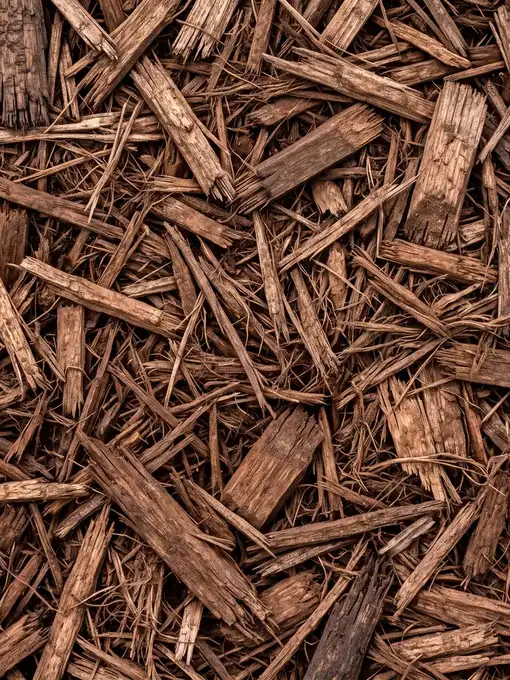
Bulk mulch delivered in Pocatello, ID. Brown, black, red color.
Starting from $745.68 delivered to Pocatello for 2 yards, our minimum order
Pocatello sits in the Portneuf valley of southeast Idaho, and mulch delivery in Pocatello, ID is how most yards here get covered without a pickup truck and a dozen round trips. We sell mulch by the cubic yard, drop it where you point, and show the delivered price for your ZIP on the page before you commit to anything.
Mulch delivery for Pocatello yards and beds
Pocatello has cold winters, dry summers and a lot of sun on south-facing lots. That mix is hard on exposed soil. A layer of mulch holds moisture around roots, keeps weeds down and softens the swings between a freezing night and a hot afternoon. Homeowners in neighborhoods near the university tend to mulch foundation beds and street trees, while people on larger lots use it along fence lines, around orchard rows and on garden paths.
In Pocatello, our mulch comes in brown, black and red. Brown reads natural and blends with sagebrush-toned landscapes. Black gives the sharpest contrast against green foliage. Red is the bold choice for entry beds. You choose the color when you order, and the price engine does the rest.
Where mulch works best around Pocatello
- Tree rings and shrub beds: keeps lawn mowers and string trimmers away from bark and holds water near the roots.
- Vegetable and flower gardens: a thin cover cuts watering trips in the dry months.
- Slopes and bench lots: mulch knits together and resists washing out in a spring storm.
- Playground borders and dog runs: a soft, loose surface that is easy to top up each season.
If a bed also needs fresh growing soil underneath, pair the mulch with topsoil in Pocatello. For a path or drainage strip next to a bed, Pea Gravel gives you a clean, rounded stone edge. Those two materials are sold by the ton, while mulch is sold by the cubic yard, so keep the units separate when you plan a mixed order.
How much mulch your Pocatello project needs
Measure the bed in feet, then decide how deep the layer should be. Two to three inches suits most Pocatello beds. For a Pocatello bed, multiply length by width by depth in inches, then divide by 324 to get cubic yards. A bed 30 feet long and 6 feet wide at 3 inches deep comes out to about 1.7 cubic yards, which tells you the order would need rounding up to our smallest size. If you would rather skip the arithmetic, the calculator does it from your measurements.
Mulch is light compared with stone. A cubic yard weighs roughly 800 pounds, so a delivery truck carries a lot of coverage, but the pile still needs a spot with room to dump. Pick a driveway edge or a flat section of yard, and keep it clear of parked cars.
Spreading and upkeep after the drop
Clear the bed first. Pull weeds by the root, rake the surface level and edge the bed so the mulch has a clean boundary. Shovel the pile into a wheelbarrow, dump it in small heaps along the bed, then rake it flat. Keep a gap of an inch or two around trunks and stems. Mulch piled against bark traps moisture and invites rot, and a ring of mulch shaped like a volcano does more harm than good.
Check the beds once a season. Wind in the valley can push loose mulch into corners, and sprinklers can wash it off slopes. A quick rake restores the layer, and a thin top-up in spring keeps the depth where it should be without ordering a whole new load.
Ordering and pricing notes
The smallest order is 2 cubic yards. Pocatello buyers get a delivered price for their ZIP worked out live on the page, and larger orders get a lower rate per cubic yard. We do not print a price on this page because it changes with where the truck is going. For details on how drop-off works in town, see delivery in Pocatello, and for the wider picture browse Mulch in Idaho.
To order, enter your ZIP, pick a color, set the quantity and check out. Spread the pile within a few days if you can, since a large heap holds heat and moisture in the middle.
About Mulch
Our mulch is a shredded organic cover sold by the cubic yard in brown, black and red. It is light, about 800 pounds per cubic yard, and spreads easily by shovel and wheelbarrow. Laid two to three inches deep, it holds moisture near roots, shades out weed seedlings and evens out soil temperature through Pocatello hot dry summers and hard freezes. Over a few seasons it breaks down and feeds the soil, so beds usually need a light top-up rather than a full redo. Use brown for a natural look, black for contrast against green leaves, or red for an accent bed. Mulch is not a substitute for soil, so thin or compacted beds do better with topsoil underneath first. In Pocatello, the delivered price for your ZIP is worked out live on this page, with a lower rate per cubic yard on larger orders.
What Mulch costs in Pocatello
Local Pocatello yards quote mulch by the ton; the delivered number includes fuel, the truck, and the haul. Send your ZIP and load size and we will send back a same-hour quote with the truck rate and the per-ton figure spelled out. A ton of this material spreads across about 270 sq ft when laid 3 inches deep, useful when you are sizing a patio base or a walkway run.
How crews use Mulch in Pocatello
In and around Pocatello, mulch shows up most often on two project types. At roughly 58,231 people, the Pocatello order mix leans toward 3 to 8 ton residential drops with the occasional 16 ton job for a contractor.
Delivery day in Pocatello
A typical Pocatello drop is dispatched from the closest yard with a two hour window and a heads-up call once the truck is loaded. Tandem trucks want a 12 ft lane in and out; tri-axles need 14 ft, and both want firm ground at the tipping spot so the load releases cleanly. Standard lead time on this lane is Mon-Sat, with same-day windows held open for orders that hit the desk before 11 AM and clear payment.
Related materials we deliver in Pocatello


Estimate how much you need
Work out your material
A planning figure, not a guarantee. Order roughly a tenth extra to cover settling and uneven ground.
Browse more
Available in nearby cities
Plan your project
Related guides
 GUIDEGravel Size Chart: Pea Gravel to Crushed StoneA gravel size chart showing pea gravel, crushed stone and river rock diameters side by side, so you can match the right size to your project.Read guide →
 GUIDEThe Different Types of Gravel and How to ChooseA plain-language guide to the main types of gravel, covering pea gravel, crushed stone, river rock and decomposed granite.Read guide →
 GUIDEWhat Are Screenings? A Guide to Crushed Stone FinesScreenings are fine crushed stone used for paver bases, joint fill and walkways. See what screenings are, common types, and mistakes to avoid.Read guide →
 GUIDEWhat to Put Under River Rock for Landscaping BedsHere is what to put under river rock landscaping: a compacted base where needed, then landscape fabric, then rock, to stop weeds and settling.Read guide →
Frequently Asked Questions
How do I keep the driveway clean when the mulch is dropped?
Lay a tarp or a few sheets of plywood where the pile will land, and the dust and bark chips stay off the concrete. When the pile is gone, shovel up what is left, fold the tarp inward and sweep the rest into the bed. Do this before a rain, since wet mulch can leave tannin stains on bare concrete.
Does mulch attract termites or ants near the house?
Wood-based mulch can shelter insects, so keep it a few inches below siding and away from sill plates and wood trim. A strip of bare soil or stone along the foundation gives you a visible buffer. If you notice mud tubes or heavy ant activity, pull the mulch back and call a pest professional before adding more.
What goes wrong if I spread mulch too thick?
Heavy layers can smother roots by blocking oxygen, hold the soil soggy and shed water instead of passing it down. You may also see shallow roots growing up into the mulch, which suffer in a dry spell. If a bed already looks piled up, rake some away before you add anything and check that the soil below is moist.
Can I mulch over grass to make a new bed?
Yes. Mow the grass as short as you can, cover it with overlapping sheets of plain cardboard, wet them down, and spread the mulch on top. The cardboard blocks light and breaks down within a season, and the grass underneath goes with it. This saves digging out sod by hand, and the bed is ready to plant right away.
What can I do with leftover mulch?
Spread it along a path, around a compost bin or under a shrub you have been meaning to mulch. If you cannot use it right away, cover the pile with a tarp to keep rain out and keep it from heating up and souring. Spent piles that smell sharp or sour should be turned and aired out before they go near plants.
Can I use mulch in raised beds and large pots?
Yes. A thin layer over the soil in raised beds and big containers slows drying and keeps splashing soil off leaves. Leave a small gap around every stem and crown. Containers dry out fastest, so a mulched pot usually needs fewer waterings than a bare one, but check the soil with a finger before you skip a watering.
Why is there white fungus or a mushroom in my mulch?
These are harmless decomposers feeding on the wood, and they show up when the mulch stays damp and warm. They do not hurt plants. Rake the area to break up the growth and let it dry, and most of it vanishes within days. Mushrooms can be pulled and thrown away if kids or pets use the yard.
Does wood mulch pull nitrogen out of the soil?
Only at the thin boundary where the mulch touches the soil, as microbes break the wood down. Plants growing in the bed are rarely affected when the mulch stays on the surface. The risk is higher if you dig mulch into the soil, so spread it on top and leave it. A balanced feed in spring covers any shortfall.