
Premium Screened Topsoil Delivery in Minnetonka, MN
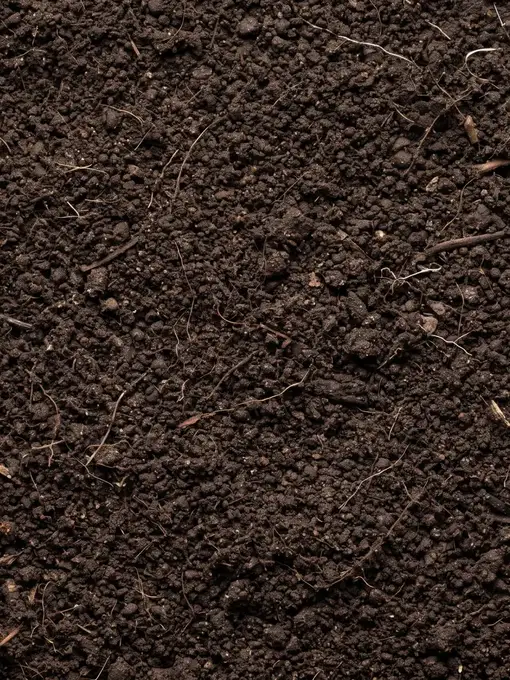
Bulk premium screened topsoil delivered in Minnetonka, MN. Stone size screened. Dark brown color.
Starting from $519.61 delivered to Minnetonka for 2 tons, our minimum order
Sitting west of Minneapolis, Minnetonka is home to about 53,000 people and a mix of lakeside and inland lots. For topsoil delivery in Minnetonka, MN, the decisions are the same as anywhere else: pick the right material, size the order, and plan the drop. This page works through each one, starting with the order itself.
Ordering topsoil for a Minnetonka address
- Decide how many tons you need using the sizing notes below, then add a small margin.
- Enter the quantity, which must be at least 2 tons, and check the delivered total on the page.
- Choose a drop spot that is reachable, level and close to the planting area, then complete checkout. City-specific details live on the delivery in Minnetonka page.
How much topsoil a Minnetonka project needs
A rough estimate for a rectangular area is one cubic yard for every 81 square feet at 4 inches deep. Shallower or deeper layers scale in proportion, so a 2 inch layer covers about 162 square feet per cubic yard. Each cubic yard of this screened topsoil weighs about 1.1 tons, so convert your cubic yards before you enter a quantity.
Round up when the area has irregular edges, and order a bit past your total, since watering and foot traffic will lower the surface. If the shape is awkward, the calculator will do the geometry for you.
Delivered pricing in Minnetonka
The price shown is delivered and calculated for the ZIP you enter, and it updates as the quantity changes. Bigger loads cost less per ton, so it is worth testing a slightly larger quantity to see how the rate moves. Topsoil is quoted per ton, and the smallest order is 2 tons.
A patio garden in Minnetonka might pair this topsoil with Mulch, ordered by the cubic yard, and Pea Gravel, which goes by the ton. Keep those units straight when you add a second material to the same job, and see the Mulch and Pea Gravel pages for Minnetonka. The full statewide lineup is on the Premium Screened Topsoil in Minnesota page.
Where topsoil earns its place in Minnetonka yards
Topsoil suits new garden beds, a worn lawn that needs a fresh top layer, and a planting bed that has sunk after years of bark and mulch breaking down. Late summer and early fall are good times to plant the new layer, because the ground is still warm enough for roots to establish before winter.
On uneven ground, spread the material in passes no thicker than a few inches and firm each one before adding the next. Thin passes keep the grade even and stop heavy soil from sliding into a low corner. Walk the lot after a heavy rain and note where runoff collects; those basins need regrading before the new layer goes in.
Choosing a planting area that suits topsoil
Topsoil is a good match for perennial borders, new shrub beds and vegetable plots, but the planting list still matters. Plants that prefer a lean, fast-draining soil can struggle in a layer that holds moisture, so match the material to the plant rather than the other way around. Shade-loving groundcovers in a north-facing bed will want a lighter mix than sun-loving perennials along a south wall.
A sample bed of about 10 by 12 feet, planted with shrubs and a few perennials, usually needs a layer of several inches to give the roots room. Plan the bed shape on paper before you order.
What to expect once the pile is on site
Work the material while it is still loose. A pile that sits in the rain turns heavy and sticky, which makes spreading slower and more tiring. Break the pile into sections so you are not digging through one large mound.
Mature trees on a Minnetonka lot call for extra care. A light skim is plenty over the root zone, and bark should stay clear of soil because buried bark stays wet and can rot. Where roots sit close to the surface, a light hand with the rake is enough.
Give the finished area a week of normal watering before you judge the result. Some sections look darker or lower than the rest while they dry out, and a second thin pass usually evens them out without any drama.
About Premium Screened Topsoil
This Premium Screened Topsoil is dark brown and screened for a consistent texture. Consistency matters because a bumpy layer telegraphs through new grass, and clumps in a planting bed keep roots from spreading evenly. This product suits topping off beds, filling shallow dips and preparing ground for seed or sod.
Screening removes oversized pieces and breaks up clumps, so the material rakes easily and levels out in a thin, even layer. Its dark color blends with mature plantings and established turf instead of looking like fresh fill. Buyers order it in bulk by weight, so the quantity they pick sets the total they see.
Unprocessed fill and screened topsoil can look alike in a dump truck, but they behave differently once they are on the ground. Screened material grades more predictably, holds a smooth surface under foot and gives young plants a more even root zone. For most planting and lawn projects, that predictability is what makes the difference.
What Premium Screened Topsoil costs in Minnetonka
Around Minnetonka, premium screened topsoil is quoted by the ton with delivery layered in based on distance from the closest yard. Send your ZIP and load size and we will send back a same-hour quote with the truck rate and the per-ton figure spelled out. Plan on roughly 98 sq ft of coverage per ton at 3 inches deep, which puts a single-car driveway in the 4 to 7 ton bracket.
How crews use Premium Screened Topsoil in Minnetonka
Minnetonka contractors keep premium screened topsoil on the order sheet for a short list of standard installs. Top of the list is planting bed gravel, where the material is rolled out in tight urban lots and infill builds and screeded to grade. Right behind that is erosion control, common in dense neighborhoods where curb access is short and often paired with edging or fabric below the lift. Minnetonka sits at about 52,651 residents, which means we see steady weekday traffic from landscape crews and weekend pickups from owner-builders.
Delivery day in Minnetonka
Delivery in Minnetonka runs out of the nearest pit; you get a two hour arrival window the evening prior and a call when the driver leaves the scale. Plan for 12 ft of clear path for a tandem and 14 ft for a tri-axle, plus a level area at the dump point so the bed lifts straight. Standard lead time on this lane is Mon-Sat, with same-day windows held open for orders that hit the desk before 11 AM and clear payment.
Related materials we deliver in Minnetonka



Estimate how much you need
Work out your material
A planning figure, not a guarantee. Order roughly a tenth extra to cover settling and uneven ground.
Browse more
Available in nearby cities
Plan your project
Related guides
 GUIDEWhat to Put Under River Rock for Landscaping BedsHere is what to put under river rock landscaping: a compacted base where needed, then landscape fabric, then rock, to stop weeds and settling.Read guide →GUIDEHow to Clean River Rock and Restore Its ColorLearn how to clean river rock landscaping with rinsing, soap and vinegar methods, plus common mistakes to avoid for a brighter, longer lasting rock bed.Read guide →
 GUIDEHow to Lay a Gravel Driveway: Step-by-Step GuidePractical, field-tested guide: how to lay gravel driveway. Pulled from real US installer notes and 2026 supplier price data.Read guide →
 GUIDEDoes Gravel Stop Weeds? Honest Answer + What WorksPractical, field-tested guide: does gravel stop weeds. Pulled from real US installer notes and 2026 supplier price data.Read guide →
Frequently Asked Questions
What is screened topsoil used for besides lawns?
Screened topsoil works for raised vegetable beds, flower borders, foundation planting areas and the soil under new shrubs. It can also fill sunken spots in landscape beds that have lost height over time. Anywhere you want a loose, even planting medium with a consistent texture, it is a sensible choice.
Is topsoil the same as potting soil?
No. Potting soil is a lightweight mix made for containers, usually with added material that holds moisture and air. Topsoil is a heavier, bulk material meant for ground-level use, where it blends into the existing soil and supports grass or plants directly in the yard.
Can topsoil go over existing grass?
Yes, a thin layer of topsoil over healthy grass can smooth the surface and help new seed or overseeded areas take hold. Mow the grass short first, spread a thin layer, and rake it so the blades stand up through it. A thick layer over living grass can smother the turf, so keep it light.
How deep should topsoil be for a new lawn?
A new lawn usually needs several inches of loose soil to give roots room to grow. The exact depth depends on what is underneath, so a compacted or rocky subsoil may call for a deeper top layer. Push a screwdriver into the ground to see how far it travels before it meets hard resistance.
Do I need a wheelbarrow for a small job?
For a small bed or a single patch, a wheelbarrow saves a lot of trips and keeps your back in better shape. A garden cart or a tarp dragged across the lawn can also work for short moves. Pick whichever tool lets you carry a full load without tipping it on uneven ground.
Can topsoil be used to build a raised planting mound?
Yes, as long as the slope stays gentle. Build the mound in layers and plant it soon after shaping, because loose soil on a steep face washes out in heavy rain. Roots from groundcovers or shrubs bind the surface, so the shape holds better once the plants have settled into the soil.
How do I blend new soil into the edge of an existing lawn?
Feather the edge. Taper the new layer down to nothing over a foot or two, so the surface flows into the old grass with no step. Rake the transition lightly and press it with the back of the rake. A hard edge catches the mower and leaves a visible line across the yard for seasons.
Can I use topsoil to fill a hole next to the house?
A hole beside the foundation needs more care than a planting bed. Fill it in lifts, firm each layer, and grade the surface so water runs away from the wall. If the hole sits near a downspout or a window well, confirm the drainage path before you add material, since soil that holds water can cause damage over time.