
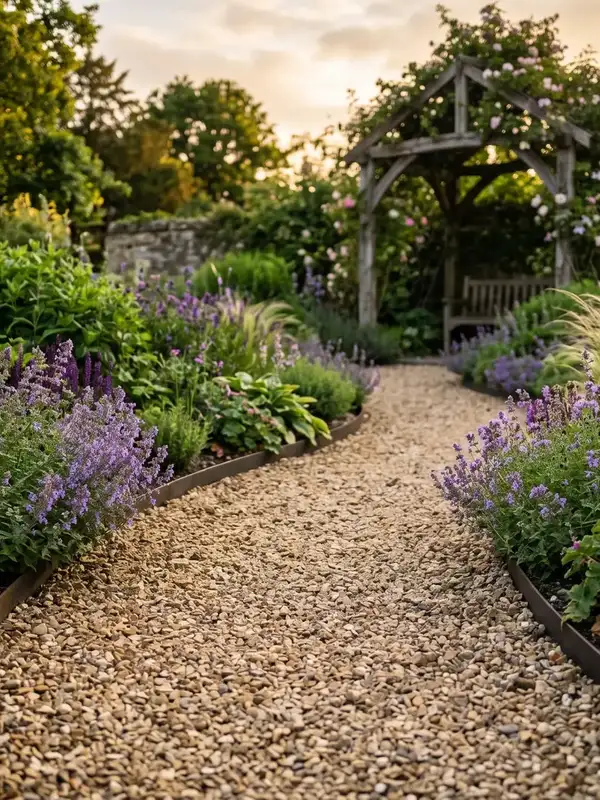
Walkway Gravel in Lakeland, FL: Material and Depth Guide
Material picks, pricing, and pro tips for walkway gravel projects in Lakeland, FL.
Lakeland's lake-dotted lots often call for a walkway that can handle both daily foot traffic and Florida's downpours, and gravel does both jobs without much upkeep. This page covers what a walkway gravel project in Lakeland, FL needs, from choosing a material to ordering the right amount and arranging delivery.
Local Conditions That Affect the Build
Lakeland sits inland in Polk County, part of Florida's lake country, on generally flat, sandy ground. That soil drains well once a base is compacted, which suits a walkway, but loose gravel without edging can still wash toward the lowest point of the yard after a heavy Florida storm. Grading the path slightly and setting solid edging before the gravel goes down keeps it in place through the wet season.
Choosing the Material and Size
Three materials work well for a Lakeland walkway.
- Pea Gravel is smooth and rounded, a comfortable, low-key choice for a garden path.
- Decomposed Granite compacts into a firm, even surface for paths with regular foot traffic.
- #89 Crushed Stone interlocks once compacted, the most stable of the three for a heavily used route.
In Lakeland, pea gravel, decomposed granite and #89 crushed stone are all ton-priced materials, and none of the three is quoted by volume.
What a Lakeland Walkway Needs
A walkway only carries foot traffic, so its base does not need the depth a driveway requires, though it still needs to be firm and well compacted. Skipping that step tends to show up within a season as low spots or a path that shifts underfoot. Picking a stone that will not scatter easily also matters more in Lakeland than it might seem, since central Florida's summer storms can be sudden and heavy. Paths that run from a driveway to a side door or connect a patio to a shed are the most common projects homeowners build here.
Depth, Base and How Much to Order
Plan on two to three inches of gravel laid over a compacted base for most walkways. The math is simple: length in feet times width in feet times depth in inches, then divided by 324, gives the cubic yards to order, and the walkway calculator turns that figure into tons for whichever material you pick. A typical backyard path needs less than a ton, so one delivery is usually all it takes.
Delivery and Getting Started
The Lakeland delivery page gives a delivered price once you enter your ZIP code. Fifteen tons in one order waives the delivery charge entirely, a bar most walkway jobs only clear by combining with another project such as a driveway or a larger landscaping job. Check the walkway gravel hub for a broader material comparison, then size your Lakeland project with the calculator above.
About Walkway Gravel projects
A walkway gravel project spreads loose stone over a compacted base to build a durable path across a yard, linking a driveway, gate or patio to the house. It handles Florida rain better than bare dirt, needs little more than occasional raking, and fits both a casual garden path and a route that gets used every day.
Recommended materials for walkway gravel
 Price by ZIP
- Size1/4 - 3/8″
- Density2800 lb/yd³
- ColorTan / mixed
 Price by ZIP
- Size0 - 1/4″
- Density3000 lb/yd³
- ColorTan, gold
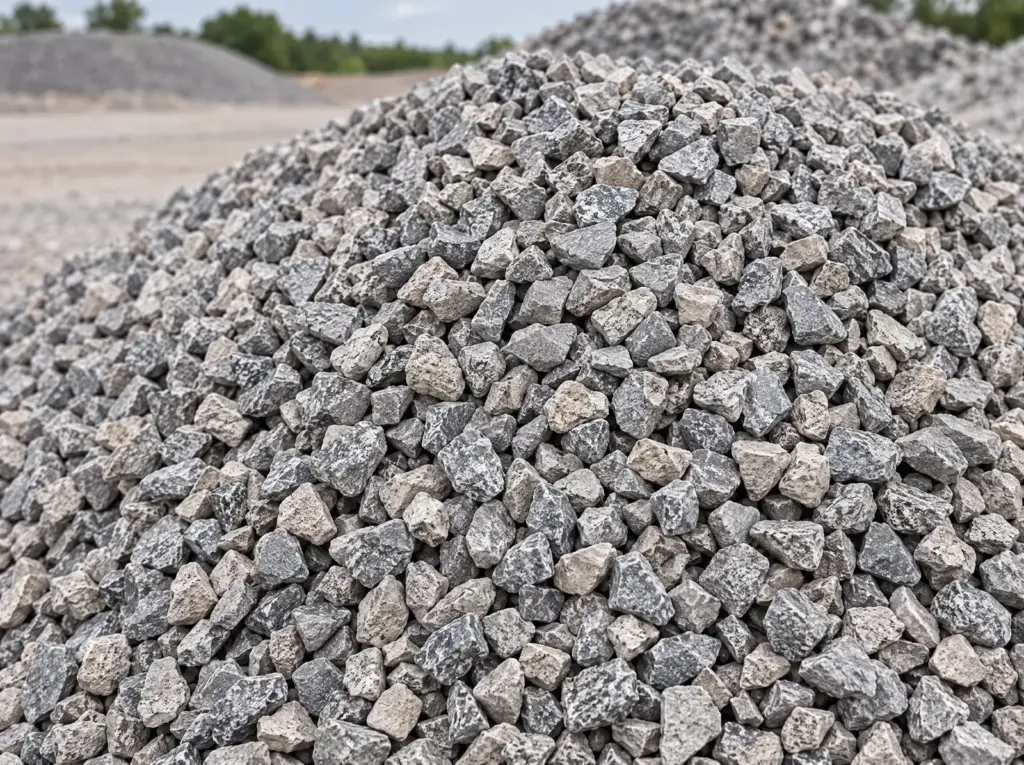 Price by ZIP
- Size3/8″
- Density2600 lb/yd³
- ColorGray
How a walkway gravel project goes
- Mark Out and ExcavateOutline the path with stakes and string or a garden hose, then dig it out to a depth that leaves room for the base and the gravel layer together, typically four to six inches. Remove grass, roots and loose soil so the base sits on solid ground.
- Install EdgingSet metal, plastic or paver edging along both sides of the path before any base material goes in. It stops gravel from spreading into the lawn over time and gives the walkway a clean, defined border.
- Lay and Compact the BaseSpread two to three inches of crushed base material into the dug path and compact it firmly with a hand tamper or plate compactor. A solid base keeps the walkway from developing ruts once regular foot traffic starts.
- Spread the GravelPour the chosen material over the compacted base and rake it out to an even depth, generally two to three inches. On a longer path, work in shorter stretches so the depth stays consistent end to end.
- Compact the SurfaceGo over the finished gravel layer once more with a tamper or compactor to settle it and lock the surface together. Sweep loose stone back off the edging and lawn, then check the path again after the first heavy rain.
Estimate your material
Work out your material
A planning figure, not a guarantee. Order roughly a tenth extra to cover settling and uneven ground.
Walkway gravel in Lakeland's climate
Picking the right material for a walkway gravel project in Lakeland comes down to how the climate treats it. Subtropical humidity with heavy seasonal rain. Drainage capacity matters more than freeze tolerance, and limestone-based aggregates are widely available. For walkway gravel work specifically, that means choosing material that handles local moisture and traffic loads without re-dressing every season.
The small market profile of Lakeland also shapes how a project runs. Most jobs are residential, with the occasional school or municipal project. Truck access is usually wide and turnarounds run fast.
Where we deliver walkway gravel material in Lakeland
Our delivery footprint around Lakeland covers the core city plus a typical 35-mile radius. Recent walkway gravel drops have included:
- older single-family blocks in and around Lakeland
- newer subdivisions on the outskirts in and around Lakeland
- commercial pad sites near the freeway in and around Lakeland
- horse properties on the rural edge in and around Lakeland
If your address is outside that radius, send your ZIP through the contact form and we will confirm coverage within an hour.
Pricing for walkway gravel in Lakeland
Here is what the recommended walkway gravel materials are running in Lakeland right now. Full-truck orders (16 tons or more) typically save 15 to 20 percent off these per-ton rates.
| Material | Price from |
|---|---|
| Pea Gravel Delivery in Lakeland, FL | Quote on request |
| Decomposed Granite Delivery Lakeland FL | Quote on request |
| Crushed Stone Delivery in Lakeland, FL | Quote on request |
Browse more
Recommended materials in Lakeland
Tools to plan your project
Related guides
GUIDEThe Different Types of Gravel and How to ChooseA plain-language guide to the main types of gravel, covering pea gravel, crushed stone, river rock and decomposed granite.Read guide → GUIDEWhat Are Screenings? A Guide to Crushed Stone FinesScreenings are fine crushed stone used for paver bases, joint fill and walkways. See what screenings are, common types, and mistakes to avoid.Read guide →
 GUIDEWhat to Put Under River Rock for Landscaping BedsHere is what to put under river rock landscaping: a compacted base where needed, then landscape fabric, then rock, to stop weeds and settling.Read guide →GUIDEHow to Clean River Rock and Restore Its ColorLearn how to clean river rock landscaping with rinsing, soap and vinegar methods, plus common mistakes to avoid for a brighter, longer lasting rock bed.Read guide →
Frequently Asked Questions
How deep should a walkway gravel layer be in Lakeland?
Two to three inches over a compacted base works for most walkways. Two inches suits a light-use garden path, and three inches holds up better on a route that sees daily traffic, like a path between a driveway and a side door. Going deeper than three inches mostly adds unnecessary material cost rather than added durability.
What is the best gravel for a walkway in Lakeland?
It depends on how much traffic the path gets. Pea gravel gives a soft, casual look for a lightly used garden path. Decomposed granite compacts into a firmer surface that holds up better under regular use. #89 crushed stone is the most stable choice because its angular pieces interlock, which suits a walkway that gets daily foot traffic, such as a route to a mailbox.
Does a gravel walkway need edging?
It is not required, but it is worth adding. Without a border, loose gravel tends to spread into the lawn or nearby beds, especially after one of central Florida's sudden summer downpours. Metal, plastic or paver edging along both sides holds the material where you placed it and gives the walkway a cleaner finished edge.
How much gravel do I need for a Lakeland walkway?
Measure the path's length and width in feet, then choose a depth, usually two to three inches. The walkway calculator converts those measurements into a ton figure for the material you select. Most Lakeland walkway paths need well under a ton, so a modest single delivery generally covers the whole job.
Should I add a weed barrier under the gravel?
A landscape fabric layer is optional but common under a gravel walkway. It reduces weeds pushing up through the stone and slows the gravel from settling into the soil beneath it over time. Without it, the path will still work fine, though expect a little more weeding along the edges after the first year.
How do I get free delivery on a small walkway order?
A single walkway rarely reaches the 15 tons needed for free delivery on its own, since most paths use well under a ton of material. Homeowners in Lakeland typically clear that threshold by combining a walkway order with a bigger project, such as a driveway top-up or a larger landscaping job, in a single delivery.
How long does a gravel walkway project usually take?
Most Lakeland homeowners finish a walkway in a single weekend, from marking the layout through compacting the base and spreading the gravel. A longer path or extra hand tamping can push the job into a second day. Ordering the material ahead of the work weekend avoids losing time waiting on delivery mid-project.
What is the difference between pea gravel and #89 crushed stone?
Pea gravel is smooth and rounded, which feels softer underfoot but shifts more on a heavily used path. #89 crushed stone is angular and locks together once compacted, holding its shape better under steady foot traffic. Decomposed granite while staying finer than crushed stone.