
Compost Delivery in Norfolk, VA, Ordered by the Cubic Yard
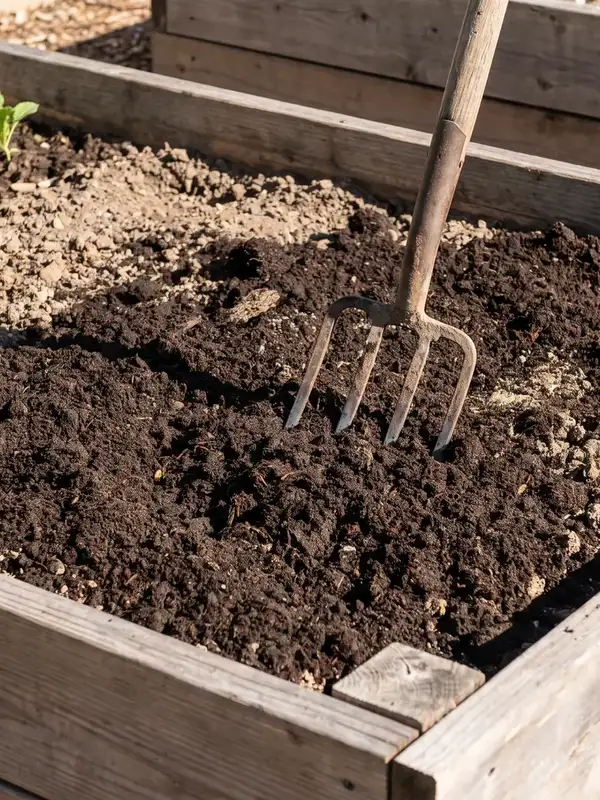
Bulk compost delivered in Norfolk, VA. Dark brown color.
Starting from $481.17 delivered to Norfolk for 2 yards, our minimum order
Norfolk is a waterfront city of roughly 233,000 people, and its gardens reflect that: tidy rowhouse lots, older neighborhoods with mature trees, and low ground where water lingers after a storm. Compost delivery in Norfolk, VA, puts a few cubic yards of dark, finished compost at your curb so you can rebuild that soil at a useful scale.
Using compost on low, wet ground
Compost helps most on low, wet ground. Mixed into the top layer, it gives dense soil a crumbly structure that lets water move down instead of sitting on the surface. It will not fix a serious drainage problem on its own, but it makes planting beds more forgiving between heavy rains.
- Work it into new beds before you plant natives and perennials that tolerate wet feet.
- Add it to the planting mix for trees and shrubs, never as a thick layer against bark.
- Top-dress thin lawn areas lightly and overseed.
- Build a rich mix for containers and raised boxes with topsoil.
Beds that need height or a stable base do better with Premium Screened Topsoil as the main fill, and compost blended in. Pea Gravel is a clean option for the path or drainage strip beside the bed.
Sizing your order in cubic yards
Use the formula of length in feet times width in feet times depth in inches, divided by 324. A 15 by 8 foot bed topped with 3 inches comes to about 1.1 cubic yards, so the 2 cubic yard minimum covers that bed with most of a second yard left for another, smaller bed.
The calculator was designed for driveway work, though it still handles quick area math. Round up a little if the ground you are covering is uneven, since low spots swallow more than flat measurements suggest.
How compost delivery works in Norfolk
Read the page on delivery in Norfolk for the city specifics. On the day itself, the truck needs a clear spot to dump, which in tight Norfolk streets might be a driveway, a cleared parking pad or a side alley. Tell us about any gate width or low branches in your notes, and move cars before the truck comes.
Because the pile is loose, put a tarp under the drop point if you are working next to a lawn, and keep it out of the street. Compost that runs into a storm drain is a problem for the neighborhood and the waterways, so sweep any spill back onto the pile.
Where each yard of compost tends to go
Norfolk lots vary a great deal, so it helps to think in zones before ordering. Beds near the water need a mix that drains well. Back lots with shade from mature oaks have root competition, so use a thin surface layer rather than digging in. Sunny vegetable plots take the heaviest dose, since tomatoes, peppers and greens pull hard on the soil.
List the zones, estimate a depth for each and add up the cubic yards. That list also tells you which job to finish first if the pile has to be moved in stages. Start with the beds you plan to plant soonest, since those benefit most from fresh material, and leave surface jobs for last.
Pricing and checkout
Compost is sold by the cubic yard. Type in your ZIP and the page shows the delivered price for your address, and orders above the minimum of 2 cubic yards get a lower rate per cubic yard as they grow. You see the number before you commit, with nothing to decode.
Norfolk is 8 miles from Chesapeake, 11 from Newport News and Hampton, and 16 from Virginia Beach, but each address is priced on its own ZIP. A friend's number across the river will not necessarily match yours, so check your own.
Using the rest of the season well
Spring beds and fall renovation both work here. Applying compost in October lets winter rain carry nutrients into the root zone. For wider reading, the state page for Compost in Virginia collects what is available across the commonwealth, and a short list of what you plan to plant helps you decide between mixing in compost or topping it on.
About Compost
This compost is a dark brown, crumbly material made from broken-down plant matter. When it is finished, it has an earthy smell and no recognizable food scraps or large chunks of wood. It has a light, open texture that shovels and rakes easily.
Its job in a Norfolk yard is to improve soil structure and supply slow nutrients. In heavy ground, it opens pores that let water drain. In looser ground, it holds moisture longer between rains.
It is sold by the cubic yard and weighs about 1,000 pounds per yard. Keep it as an amendment mixed through beds or lightly spread on top. When you need real volume, such as a raised bed, pair it with topsoil so the bed keeps its shape through the first growing season.
What Compost costs in Norfolk
Local Norfolk yards quote compost by the ton; the delivered number includes fuel, the truck, and the haul. Send your ZIP and load size and we will send back a same-hour quote with the truck rate and the per-ton figure spelled out. A ton of this material spreads across about 216 sq ft when laid 3 inches deep, useful when you are sizing a patio base or a walkway run.
How crews use Compost in Norfolk
In and around Norfolk, compost shows up most often on two project types. The most common deployment is planting bed gravel, often in tight urban lots and infill builds in two to three inch lifts. At roughly 232,995 people, the Norfolk order mix leans toward 3 to 8 ton residential drops with the occasional 16 ton job for a contractor.
Delivery day in Norfolk
A typical Norfolk drop is dispatched from the closest yard with a two hour window and a heads-up call once the truck is loaded. Tandem trucks want a 12 ft lane in and out; tri-axles need 14 ft, and both want firm ground at the tipping spot so the load releases cleanly. Standard lead time on this lane is Mon-Sat, with same-day windows held open for orders that hit the desk before 11 AM and clear payment.
Related materials we deliver in Norfolk



Estimate how much you need
Work out your material
A planning figure, not a guarantee. Order roughly a tenth extra to cover settling and uneven ground.
Browse more
Available in nearby cities
Plan your project
Related guides
 GUIDEHow Deep Should a Gravel Driveway Be? Layer GuidePractical, field-tested guide: how deep should gravel driveway be. Pulled from real US installer notes and 2026 supplier price data.Read guide →
 GUIDEHow Much Does River Rock Cost? By Ton or YardRiver rock cost depends on your ZIP code, order size, and whether you buy by the ton or the cubic yard. Here is how pricing works.Read guide →
 GUIDEWhat Size Crushed Stone Goes Under a Concrete SlabMost slabs need 4 to 6 inches of compacted crushed stone underneath. What size crushed stone under a concrete slab needs, and why it matters.Read guide →
 GUIDEWhat Is Crushed Stone? Sizes, Uses and Buying BasicsCrushed stone is quarried rock crushed and screened into angular pieces sold by the ton. Here is what it is, how it is graded, and where to use it.Read guide →
Frequently Asked Questions
How soon after delivery should I plant?
You can plant right away in beds where compost is mixed with existing soil. If you are planting straight into a fresh layer, water it in and wait a few days for it to settle. Compost that smells sour needs more time to mellow before roots touch it.
Does compost help with standing water after storms?
For puddles that keep coming back, look at where the water can go first: grade, downspouts and runoff from the next lot matter more than the soil. Check that the ground slopes away from the foundation and that downspouts discharge well clear of the bed. Once the water has an exit, a planting bed has a fair chance of staying workable.
Can I use compost as a lawn base?
It works better as a thin top-dressing than as a base. A quarter to half inch raked over existing turf feeds the grass. Thicker layers can smother the lawn. If you are starting a new lawn, mix compost into the top few inches of soil instead.
Is it fine to use on a vegetable garden I eat from?
Yes, finished compost is a normal part of food gardens. Keep it a little back from stems, and rinse produce before eating since any soil product can splash onto leaves and fruit.
How do I store extra compost?
Cover the pile with a tarp to keep rain from leaching nutrients and weeds from landing on it. Keep it on a hard surface or on a sheet of plastic so it does not blend into the lawn, and use it up within a season for the best quality.
Should I add fertilizer on top of compost?
Often not needed in the first season. Compost provides a slow supply of nutrients. Heavy feeders like tomatoes and squash may still want a side-dressing midseason. A basic soil test from the local extension office tells you what your beds are missing.
Can I get compost for a community garden?
Yes. The order process is the same for a garden group, church or school, with the price shown for the delivery ZIP. Agree on the total quantity with the group before you order so one delivery covers every plot.
What is the best way to spread it by hand?
Dump it in manageable piles across the bed, then use a wheelbarrow and a flat shovel to move it into place. Spread to a consistent depth with a rake. Work in sections so you finish one bed at a time instead of leaving half-covered ground.