
Garden Soil Delivery in Norfolk, VA by the Ton
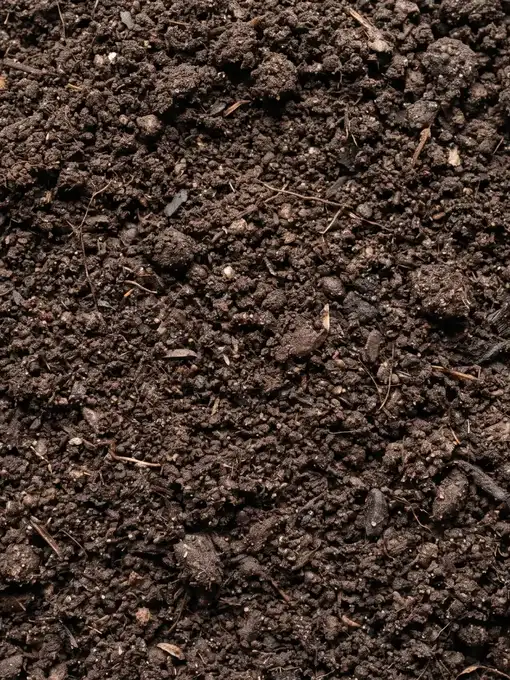
Bulk garden soil delivered in Norfolk, VA. Dark brown color.
Starting from $481.17 delivered to Norfolk for 2 tons, our minimum order
Garden soil delivery in Norfolk, VA is a matter of picking a quantity, entering your ZIP and watching the delivered price appear. Garden Soil is dark brown, sold by the ton, and the smallest order is 2 tons. For a city of roughly 233,000 people sitting on tidal water, that makes it a practical choice for new beds, raised planters and thin spots in the lawn.
Garden soil delivery in Norfolk and the Hampton Roads area
Norfolk is part of the Virginia Beach-Chesapeake-Norfolk metro, and a lot of the demand comes from small yards, townhouse plots and older neighborhoods where the existing ground has been tired out for decades. Neighbors in Chesapeake (about 8 miles away), Newport News and Hampton (both about 11 miles) and Virginia Beach (about 16 miles) share the same coastal growing conditions, but this page is about getting a load to your Norfolk address. The page for delivery in Norfolk covers how drop-offs work in the city, and the statewide listing for Garden Soil in Virginia shows the product elsewhere in the state.
Where garden soil earns its keep
Low, flat Norfolk lots often hold water, and sandy coastal ground drains fast and starves plants. Both problems point to the same fix: a layer of good soil on top rather than endless amendments to what is already there.
- Raised vegetable beds: fill the box to near the rim and let the soil carry the whole season.
- Perennial borders: spread a layer over the planting strip before setting in new plants.
- Container and planter refills: bulk soil goes much further than bags for large pots and window boxes.
- Lawn repairs: level low patches before reseeding.
For a seed bed where you want a fine, screened finish, compare it with Premium Screened Topsoil. For the path or edging beside your beds, Pea Gravel is a common pairing, because it keeps soil from washing onto walkways.
How much garden soil you need
Work out the footprint first. Multiply length in feet by width in feet by the planting depth in inches, then divide by 324 to get cubic yards. A 4 by 8 foot raised bed filled 10 inches deep comes to just under a cubic yard, which is a handy sanity check against any plan you sketch. The calculator does the arithmetic for you if you would rather not.
Soil is priced by weight here, so convert your cubic yard figure to tons through the calculator, and remember that every order starts at 2 tons.
Choosing a depth for each job
Depth drives the tonnage more than area does, so decide it per job before you add anything up. Vegetable beds and new perennial plantings do best with 6 to 12 inches of soil, since roots of tomatoes, peppers and shrubs go deep. Annual flower borders can get by with 4 to 6 inches over loosened ground. A thin top-dressing of 1 to 2 inches refreshes an existing bed without burying the crowns of plants already growing there.
Write each job down with its own depth, total them up, and you will have a number you can trust when the order form asks for tons.
Seeing the delivered price for your ZIP
This page does not print a price, because the number depends on where the truck is going. Enter your ZIP and the live engine returns the delivered price for your Norfolk address. Larger orders get a lower rate per ton, so folding several beds into one purchase usually works out cheaper than ordering them one by one.
Ordering for a Norfolk address
Pick the material, enter the ZIP, set the tonnage and check out. Think about where the truck can stand and tip before you order, since tight driveways and narrow alleys are common in older parts of the city. Have a tarp down and a wheelbarrow route ready so the pile does not sit on your lawn or block a sidewalk.
Once the load lands, get it moved soon, because soggy soil is hard to shovel and compacts underfoot.
About Garden Soil
Garden soil is a dark brown planting material sold here by the ton. It is meant for the top layer of beds, borders, raised boxes and vegetable plots, where roots need a loose, workable medium instead of bare fill or packed clay.
Because it is sold by weight, the ton is the number that matters at checkout. A ton is 2,000 pounds, and the weight of a pile shifts a little with moisture, so a wet load and a dry load will not fill the same space. Plan your area in cubic yards if you like, then order in tons and let the calculator bridge the two.
The delivered price appears for your ZIP once you enter it, and larger orders carry a lower rate per ton. In Norfolk, the smallest garden soil order is 2 tons.
What Garden Soil costs in Norfolk
In the Norfolk market, garden soil is sold by the ton and priced at the gate before delivery is added on. Send your ZIP and load size and we will send back a same-hour quote with the truck rate and the per-ton figure spelled out. One ton covers about 108 sq ft at a 3 inch finished depth, so a 400 sq ft driveway pad runs roughly 4 tons.
How crews use Garden Soil in Norfolk
Crews working out of Norfolk tend to call for garden soil on a few repeat jobs each week. With a population around 232,995, Norfolk pulls a mix of single-truck homeowner orders and contractor full-loads through the season.
Delivery day in Norfolk
On the day of the drop, the dispatcher pulls the closest yard, batches your ticket with other Norfolk stops, and sends a window the night before. Tandem-axle dumps need at least 12 ft of clear width and 14 ft overhead to set the bed; tri-axles need 14 ft of clearance on both counts and a level pad to tip safely. Standard lead time on this lane is Mon-Sat, with same-day windows held open for orders that hit the desk before 11 AM and clear payment.
Related materials we deliver in Norfolk


Estimate how much you need
Work out your material
A planning figure, not a guarantee. Order roughly a tenth extra to cover settling and uneven ground.
Browse more
Common uses for Garden Soil in Norfolk
Available in nearby cities
Plan your project
Related guides
 GUIDEDoes Gravel Stop Weeds? Honest Answer + What WorksPractical, field-tested guide: does gravel stop weeds. Pulled from real US installer notes and 2026 supplier price data.Read guide →
 GUIDEHow Much Gravel Do I Need? Quick Sizing GuidePractical, field-tested guide: how much gravel do i need. Pulled from real US installer notes and 2026 supplier price data.Read guide →
 GUIDEWhat Is #57 Stone? Uses, Size, and Cost ExplainedPractical, field-tested guide: what is 57 stone. Pulled from real US installer notes and 2026 supplier price data.Read guide →
 GUIDEHow Deep Should a Gravel Driveway Be? Layer GuidePractical, field-tested guide: how deep should gravel driveway be. Pulled from real US installer notes and 2026 supplier price data.Read guide →
Frequently Asked Questions
Can I use garden soil straight on top of clay?
Yes, for beds and borders. Loosen the top few inches of the clay with a fork first so the new soil bonds to the old instead of forming a slick boundary that sheds water. Then spread the garden soil on top. The loosening step matters more than the exact depth you choose, and it saves roots from circling in a bowl of rich soil sitting on a hard floor.
Should I add sand to garden soil for drainage?
Usually not. Mixing a little sand into clay-like ground can create a texture close to concrete, and the soil you buy already has a loose structure. Fix drainage by loosening the layer below and shaping the bed so water has somewhere to go, rather than by stirring in sand.
Do I need to remove the grass before adding a bed?
Not always. For a new bed over turf, mow short, cut the edge, and either strip the sod or smother it under cardboard before laying soil. Stripping is faster for a small plot, while smothering works well for larger beds where you can wait a few weeks before planting.
Does garden soil work in shaded beds?
Yes. The soil is only the growing medium, so the light level decides which plants do well. Hostas, ferns and many leafy greens handle shade, while tomatoes and peppers want sun. Fill a shaded bed the same way as a sunny one, and keep an eye on moisture, since shady ground dries out more slowly.
What is the smallest order I can place?
For Norfolk, the least you can order is 2 tons of garden soil. If your project is smaller, think about whether a second area could use the extra, such as refreshing a nearby border or topping up a lawn patch. That keeps you from paying for delivery of a load that only half gets used.
How do I keep new beds from washing out in heavy rain?
Norfolk gets heavy downpours, so shape the bed with a slight crown and a low lip on the downhill side. Plant ground cover or lay mulch on the surface soon after planting, because bare soil is what runs off. Keep the pile and the bed clear of storm drains so silt does not end up in the street.
Will the soil settle after I spread it?
Yes. Fresh soil is fluffy and compacts as it is watered and walked on, usually by a visible amount in the first few weeks. Water a new bed lightly after spreading, wait a few days, and top up any low spots before planting. That one pass saves you from dips that collect water.
What should I wear when spreading soil?
Wear gloves, closed shoes and long sleeves if you are working near plants with sharp edges. A dust mask is a good idea on a dry, windy day, since fine soil can blow around while you shovel. Eye protection helps when raking overhead branches, and plenty of water keeps you comfortable while you work.